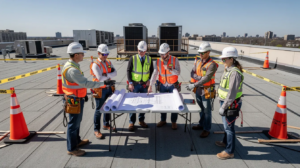
Southern California contractors need plumbers for hospitals, schools, multifamily housing, water projects, tenant improvements, and infrastructure work. Parents and students are asking a different question: Is trade school or college the better investment?
A plumbing apprenticeship answers both. Plumbing apprenticeship programs typically combine on-the-job training with classroom instruction, allowing apprentices to gain practical experience while learning essential skills. ABC SoCal, a merit-shop, non-union trade association, operates a plumbing apprenticeship program recognized by the California Department of Industrial Relations and the U.S. Department of Labor.
“State and federally approved” means the apprenticeship program is registered with the California DIR Division of Apprenticeship Standards and may also meet U.S. Department of Labor standards. The National Apprenticeship Act of 1937, also known as the Fitzgerald Act, established the Bureau of Apprenticeship and Training, which provided legal authority for national and state-approved apprenticeship programs.
The model is not new. In the mid-1800s, plumbers began to formalize rules regarding the training of new apprentices, leading to programs by local journeymen’s associations and early unions. The first nationally recognized plumbing apprenticeship program was jointly adopted in 1936 by the United Association of Journeyman Plumbers and Steamfitters and the National Association of Master Plumbers.
Most plumbing apprenticeship programs require several years, often around 5, to complete the training and work experience needed to become a journeyman plumber. ABC SoCal’s plumbing program is generally 4 years long, with 7,200 OJT hours. Apprentices are registered, or “indentured,” under an approved sponsor and employer of record.
Related Supplemental Instruction (RSI) is the educational component of apprenticeship training. Apprenticeship programs generally combine on-the-job training and classroom instruction, with a typical requirement of at least 720 hours of related classroom instruction over the course of the apprenticeship.
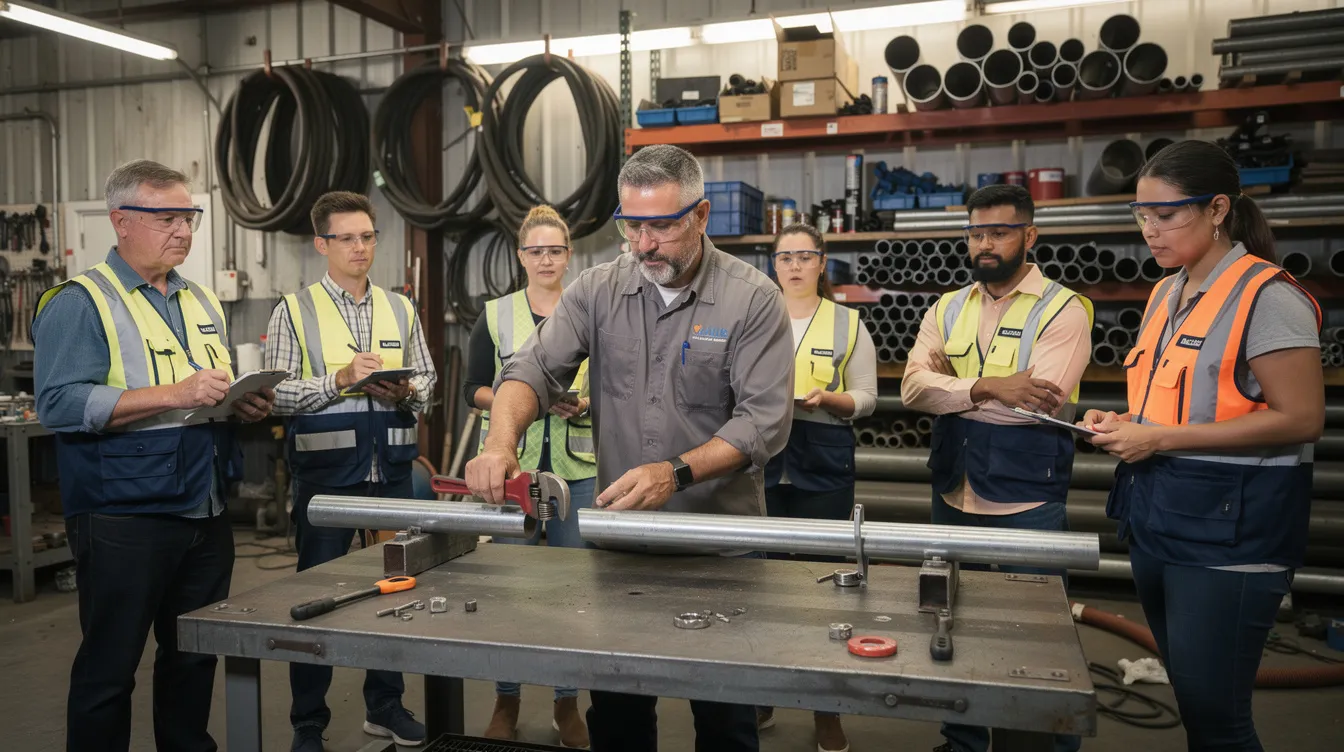
ABC SoCal classes generally meet evenings, with required Saturdays, so an apprentice can attend school while employed full-time. The curriculum includes safety, trade mathematics, plan reading, plumbing code, fixture installation, materials, equipment, welding awareness, and hands-on labs for plumbing systems.
On the job training happens on real projects under journeyman supervision. Apprentices start with material handling and basic layout, then progress into rough-in, finish plumbing, water, waste, gas, and commercial systems. Employers document hours, tasks, attendance, and progression for ABC SoCal and DAS.
Apprenticeships in plumbing allow individuals to earn a competitive wage while receiving on-the-job training, which helps them avoid accumulating student debt. Apprentices in plumbing programs typically receive regular pay increases as they progress through their training, allowing them to earn a competitive wage while learning their trade.
On public works, apprentice pay follows California prevailing wage rules. In ABC SoCal wage schedules, apprentices often start around 40% of the journeyman rate and step up through levels as hours are completed. As one 2026 Ventura County example, a Level 1 apprentice package is about $36.08/hour, while a Level 8 reaches about $72.15/hour.
The “Earn While You Learn” model in plumbing apprenticeships provides regular pay increases as apprentices develop their skills, along with benefits such as healthcare and retirement plans. Compared with a four-year degree, the five-year math program is direct: the apprentice earns wages, builds skills, and avoids major student loan debt, while many college students delay employment and accumulate tuition costs. Many plumbing apprenticeship programs offer the opportunity to earn college credits while completing apprenticeship training, allowing apprentices to graduate with minimal or no student loan debt.
ABC SoCal’s plumbing apprenticeship program serves merit-shop contractors and aspiring plumbers seeking a practical, non-union path into the plumbing industry. Training is available through Anaheim and San Fernando locations serving Orange, Los Angeles, Ventura, and nearby counties.
The Craft Trainee plumbing program is an on-ramp for students, career-changers, or applicants who want to test the plumbing trade before full indenture. It can also help those who need more preparation before being accepted into the full apprenticeship.
Merit shop matters. Contractors choose their workforce; apprentices can gain job placement through subscribing employers; and the program responds to real commercial demand from plumbing companies, mechanical contractors, or service contractors.
For public works, contractors need more than a willing worker. California projects of $30,000 or more generally require the use of registered apprentices in apprenticeable crafts under DIR public works rules.
The employer of record must sign apprenticeship agreements, provide supervision, track OJT, pay the approved wage step, and maintain certified payroll. Contractors also submit DAS 140 and DAS 142 notices, request apprentices, document apprentice-to-journeyman ratios, and satisfy the common one apprentice hour for every five journeyman hours requirement.
ABC SoCal supports employers with labor compliance guidance, DIR paperwork, training fund questions, and correct apprentice use so contractors can avoid penalties, bid issues, and payroll mistakes.
Plumbing is not a fallback. It is a modern, problem-solving career that uses digital plans, water-efficient and energy-related systems, coordination with other trades, and code knowledge.
To apply for a plumbing apprenticeship, candidates typically need to be at least 18 years old and possess a high school diploma or GED, and to demonstrate the desire and aptitude to learn a skilled trade. Many apprenticeship programs require applicants to take one or more aptitude tests to assess their skills compared to other candidates, as these positions are highly competitive.
By age 23 or 24, a committed plumber apprentice can be approaching journeyman earnings with no traditional degree debt. From there, graduates may become foreman, estimator, superintendent, project manager, contractor, or eventually master plumber, where that title is recognized.
ABC SoCal’s plumbing apprenticeship fits a larger workforce pipeline that also includes electrical, sheet metal, and low-voltage training. That matters because Southern California’s future depends on skilled trades labor that can complete complex work safely.
The ABC SoCal Local Craft Championships showcase top apprentices in timed, real-world tasks. Contractors, parents, and students can see workmanship, safety, productivity, and pride in the trade. Winners may advance to broader competitions within Associated Builders and Contractors, raising the profile of the apprentice and the sponsoring contractor.
There are two entry points.
For contractors:
For applicants:
For additional information, contact ABC SoCal before buying tools or equipment so you understand current fees, required documents, and start dates.
The first year is where habits are built.
The first raise usually comes after a defined OJT-hour milestone and successful completion of coursework. Consistent attendance, safe work, and willingness to learn are what move an apprentice forward.
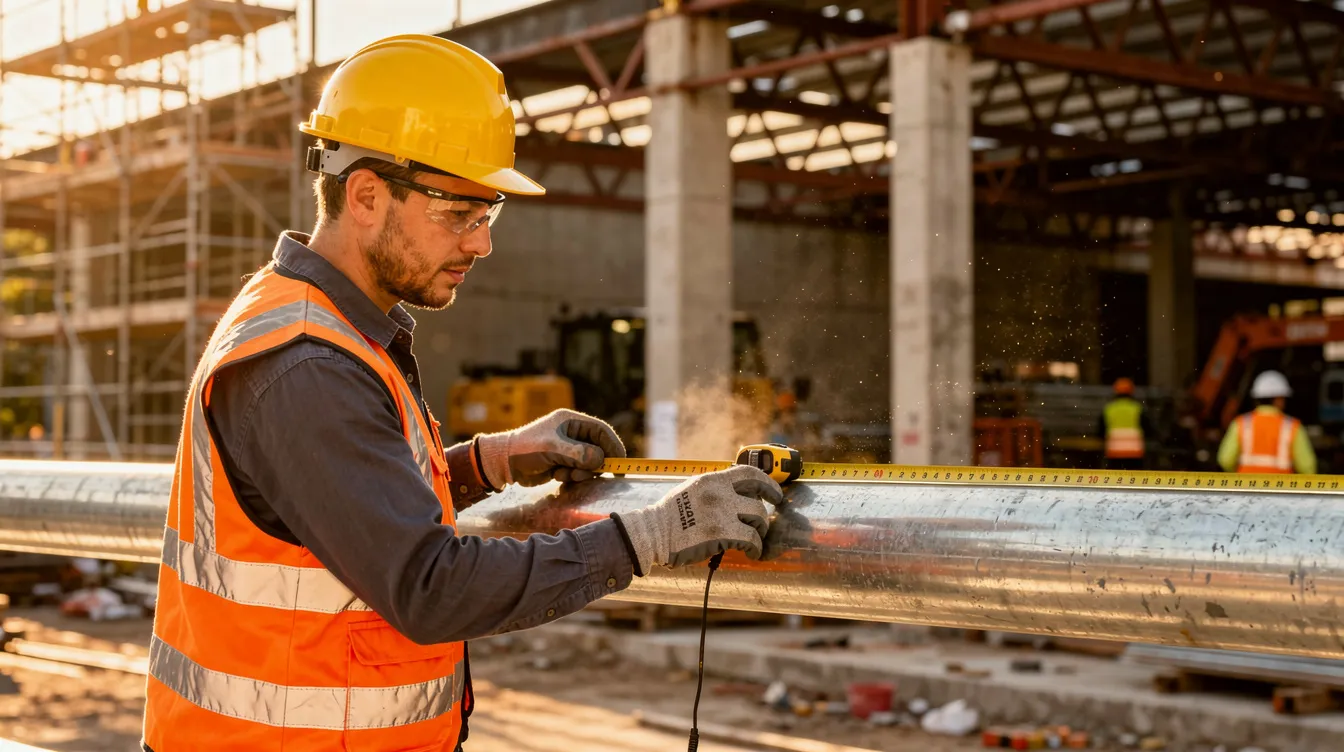
Most apprentices complete the plumbing apprenticeship program in about four to five years, depending on how quickly they complete required hours and classroom instruction. ABC SoCal’s plumbing program uses about 7,200 OJT hours.
No. Prior plumbing work helps, but beginners can start with the fundamentals. Reliability, math ability, safety mindset, and interest in hands-on training matter most.
Transfer students may receive a review of prior courses, documented hours, and previous registered apprenticeship records. Credit depends on DAS standards and ABC SoCal evaluation.
No. ABC Southern California is a merit shop, non-union association. The program is still approved and recognized for California apprenticeship compliance.
Expect basic hand tools, work boots, PPE, and employer-specific items. Larger tools and lab equipment are often provided by the contractor or training center.
Ready to build the next generation of Southern California plumbers? Contractors should enroll as subscribing employers, and applicants should contact ABC SoCal to start the path from apprentice to journeyman.