
Apprenticeship pipeline construction is a practical long-term response Southern California contractors can use as the construction labor pool keeps tightening. For many firms, the pressure is already showing up in bid coverage, crew planning, schedule confidence, and the ability to grow without overextending field leadership across Los Angeles, Orange, Riverside, San Bernardino, and Ventura Counties.
Southern California contractors operate in a labor market where finding enough qualified people is harder than it used to be, and replacing experienced workers isn’t getting easier. That affects more than hiring timelines. It influences whether a contractor can take on additional work, how much risk exists at project startup, and how heavily the same foremen and journey-level craft professionals are being asked to carry production.
National labor data helps explain why the pressure is persistent. The U.S. Bureau of Labor Statistics projects employment for construction laborers and helpers to grow 6% from 2025 to 2035, with about 137,000 openings per year on average over that period. Most of those openings are expected to come from workers leaving the occupation rather than from newly created positions alone.
Associated Builders and Contractors has also warned that the construction industry will need to attract 349,000 net new workers in 2026 just to keep labor supply and demand in balance. ABC’s published methodology ties that estimate to expected retirements and labor demand tied to construction spending growth.
For contractors, the practical point is simple: the labor shortage is no longer a background trend. It is a direct operating constraint.
Southern California concentrates many of the pressures that make a tight labor market harder to manage. Contractors across Los Angeles, Orange County, the Inland Empire, and Ventura County are often competing for the same electricians, plumbers, low-voltage workers, sheet metal workers, and entry-level candidates who can grow into those trades.
Regional geography also complicates workforce strain. Long commutes, high living costs, and multi-county project footprints can make early-career retention harder. A company may recruit successfully, only to lose momentum when a new worker struggles with commute burden, inconsistent supervision, or the lack of a visible career path.
That is why labor strategy cannot be treated as a side issue handled only when a project wins. In this region, workforce planning affects bid capacity, production stability, and long-term competitiveness.

Apprenticeship pipeline construction is the deliberate process of building a repeatable path into the trades, rather than relying on reactive hiring. In practice, that means creating a system that helps people move from initial awareness of construction careers into entry-level readiness, registered apprenticeship, and eventually journey-level responsibility.
Many companies still approach staffing the other way around: post a job when a project starts, call known contacts, ask for referrals, and hope enough people are available quickly. In a tight labor market, that approach becomes less dependable every year.
A stronger pipeline usually includes several connected stages:
The key is consistency. An apprenticeship pipeline is not a one-time hiring push or a single school partnership. It is a year-round workforce system that supports future staffing, not just immediate openings.
Registered apprenticeship gives contractors a more structured way to build labor capacity than informal entry-level hiring alone. It combines paid on-the-job training with related instruction, defined skill progression, and a recognized training framework.
That structure matters because contractors are not only trying to fill today’s opening. They are trying to develop tomorrow’s journey-level workers, lead installers, and foremen. A registered apprenticeship model helps employers do that more intentionally.
For employers, the advantages often include:
Research cited by the U.S. Department of Labor and related apprenticeship sources often supports the broader case for registered apprenticeship, including employer-reported returns and long-term workforce-development value. Those findings should be understood as general program evidence, not guaranteed outcomes for every contractor.
Trade length varies, but apprenticeship is generally a multiyear investment. That is why contractors who need stronger staffing capacity later should build the system now.
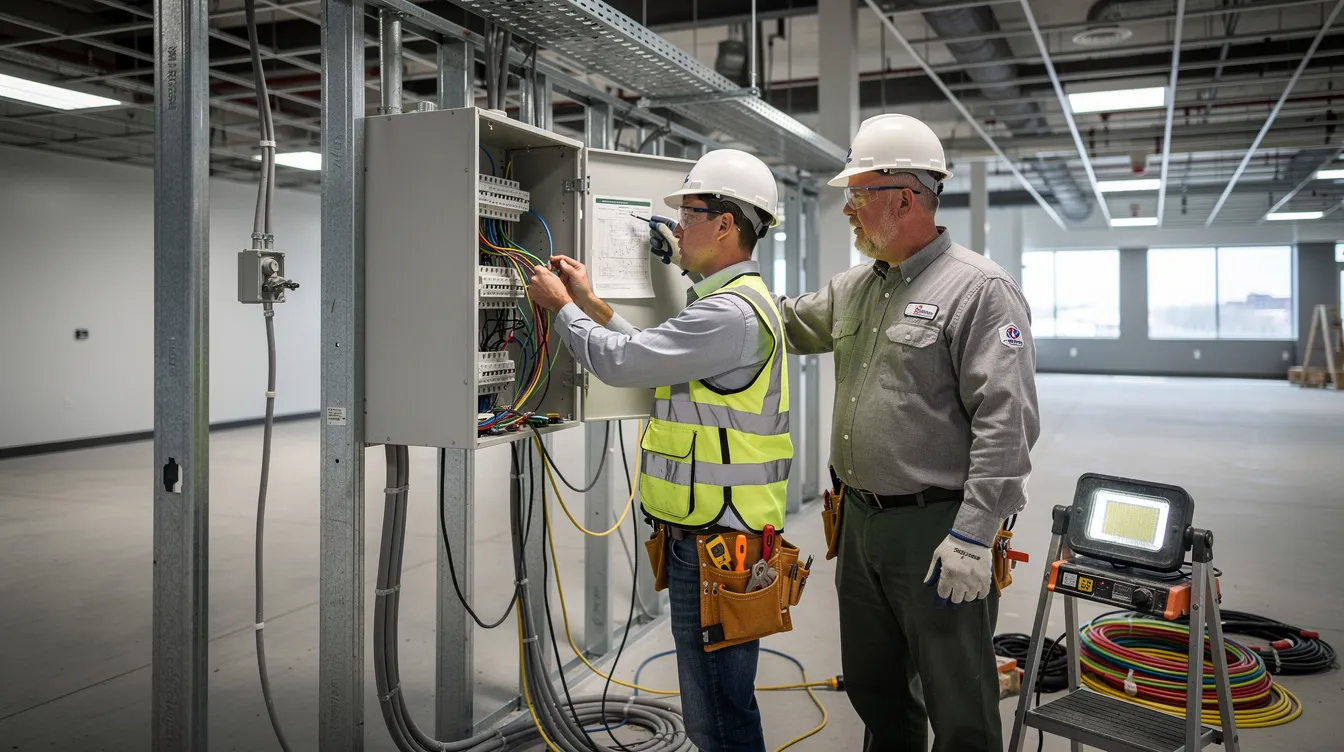
The first step is not outreach. It is forecasting.
Contractors should review their backlog, target markets, expected retirements, turnover history, and trade-specific weak points over the next two to five years. That creates a clearer picture of where pipeline effort should begin. One company may need more entry-level electrical talent. Another may need a steadier plumbing bench. A third may be strongest in recruiting but weak in first-year retention.
Once that picture is clearer, choose a manageable starting point:
A simple executive-meeting checklist can help move the conversation from concern to action:
In a shrinking labor market, contractors cannot rely on job postings alone. They need earlier contact with future workers and better ways to show what a construction career actually looks like.
That can include classroom visits, jobsite tours, community-college relationships, military-transition outreach, and participation in local workforce events. The purpose is not just to generate names. It is to give potential candidates a realistic picture of the work, the expectations, and the opportunity to earn while learning.
Recruiting is stronger when it emphasizes more than immediate wages. Candidates often respond to three things together: a real path into the trade, confidence that training will be structured, and visible evidence that advancement is possible.
For contractors that want a more practical review of apprenticeship readiness, ABC SoCal’s construction apprenticeship Southern California workforce review offers a useful companion resource.
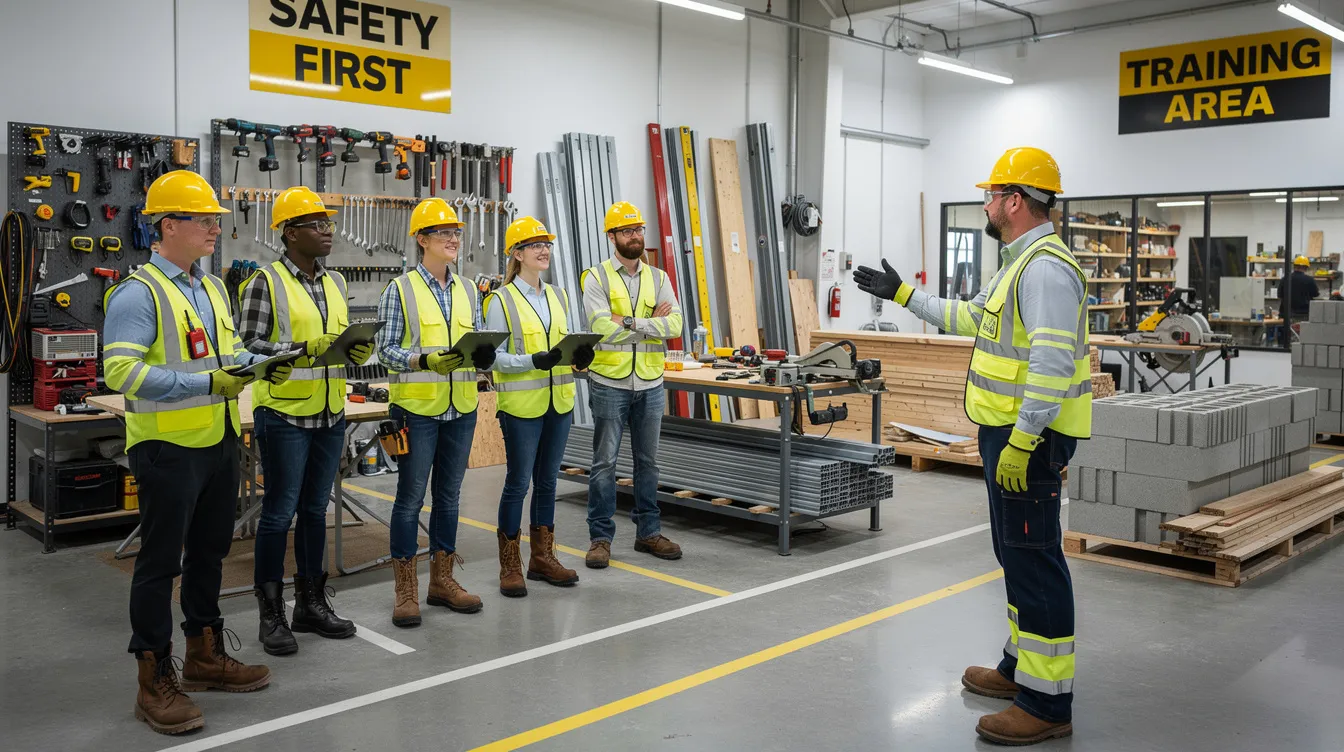
For many contractors, the most expensive pipeline problem is not failing to attract interest. It is losing people too early because the first months on the job are unclear, poorly supported, or disconnected from training.
Early retention usually improves when companies provide:
Field leadership matters heavily here. Foremen and lead journey-level workers often determine whether an apprentice feels developed or simply used as extra labor. If a company wants better retention, it usually needs better supervisor preparation and better recruiting.
That is one reason many contractors connect apprenticeship planning with broader leadership development. If your team is evaluating longer-term workforce structure, ABC SoCal’s construction career pathways resource may help frame how apprenticeship fits into future field leadership and workforce growth.
For California contractors, apprenticeship strategy can also affect how confidently the company approaches covered public works. Apprenticeship planning is not only a workforce issue; on qualifying public work, it can also intersect with apprentice utilization, wage-rate administration, and required DAS processes.
That does not mean every contractor or every project faces the same obligations. Coverage depends on project type, funding, craft, and other facts. Contractors should not assume that a general article can answer those project-specific questions.
But the business connection is still important: a company with a more stable apprenticeship pipeline is generally better positioned to plan labor for covered work than a company that waits until the last minute to think about apprentice needs.
For project-specific requirements, prevailing wage administration, or apprentice-related compliance questions, contractors should use qualified labor-compliance guidance. ABC SoCal’s Southern California construction labor compliance resource is a relevant next stop.
ABC SoCal can support merit shop contractors that want to move from reactive hiring toward a more durable workforce system. Based on ABC SoCal’s current training and education materials, the chapter connects contractors to apprenticeship-related resources, workforce development programming, and labor-compliance information relevant to Southern California employers.
In practical terms, that can help companies that want to:
The broader point is not that one program solves every labor problem. Contractors usually perform better when pipeline building is tied to training structure and internal accountability, not ad hoc hiring alone.
The shrinking labor pool is unlikely to improve on its own. Replacement demand remains significant, competition for trained workers is strong, and contractors that wait to build talent until the next project award are likely to stay in a reactive cycle.
Building an apprenticeship pipeline gives firms a more repeatable response. It helps translate labor-market pressure into something management can actually control: forecasting, recruiting earlier, onboarding better, training more deliberately, and retaining people long enough for the pipeline to compound.
Your next 30 to 90 days can be practical:
If your company wants to strengthen its apprenticeship pipeline, start by reviewing ABC SoCal’s workforce and apprenticeship resources and then decide which trade or workforce gap needs attention first.
The questions below address common concerns from Southern California contractors considering or expanding an apprenticeship pipeline. For project-specific compliance or legal questions, consult qualified professionals.
It does not create journey-level capacity overnight. However, contractors can start seeing benefits sooner by improving recruiting channels, clarifying onboarding, and creating a more predictable entry path for apprentices or other early-career workers. The first gains are usually visibility and consistency, with larger returns coming as multiple cohorts progress.
No. Smaller firms can start with one trade, one feeder relationship, and a manageable number of apprentices. The key is not size. It is whether the company assigns ownership and matches intake to real supervision capacity.
Yes. A workforce pipeline does not have to begin only with high school students. Career changers, veterans, and other adult learners can be strong candidates when expectations, safety orientation, and training support are clear.
Apprenticeship works best when classroom instruction is treated as part of workforce planning, not as an interruption to it. Contractors should coordinate manpower expectations with training schedules so field supervision understands that education and production are supposed to work together.
Begin with an internal review of your workforce risks by trade, your likely supervision capacity, and whether your current hiring process supports long-term development or only immediate staffing. From there, connect with a training resource such as ABC SoCal to evaluate what pathway best fits your needs.