
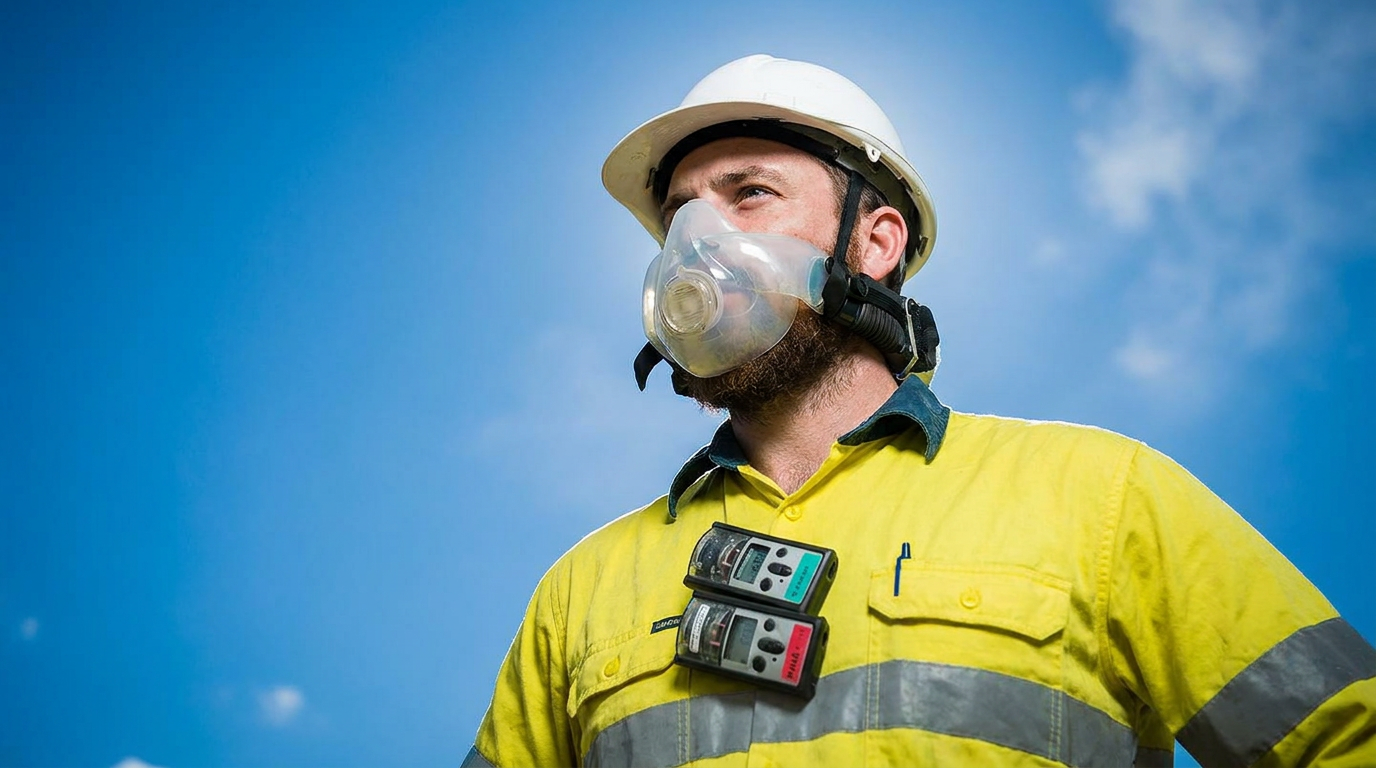
If you are a Southern California contractor, safety director, or compliance officer, this article is your mid-2026 regulatory briefing and actionable checklist. The goal is straightforward: confirm what changed in Cal OSHA regulations and federal OSHA rules, and clarify what documentation you must maintain now.
California operates its own Division of Occupational Safety and Health, and Cal/OSHA regulations are broader and stricter than federal OSHA standards. Title 8 rules apply to construction work, specialty trades, and related activities, with heat, silica, IIPP, and recordkeeping at the top of enforcement priorities. California also requires employers to provide personal protective equipment at no cost to employees and mandates that employee training must be conducted in a language and format that workers can understand. ABC SoCal, as a merit shop trade association, focuses on practical compliance systems and safety education that withstand inspections and prequalification reviews.
In April 2026, federal OSHA updated its Heat National Emphasis Program for outdoor and indoor heat-related hazards, extending it for five years with construction among the targeted sectors. California has specific regulations for Heat Illness Prevention for outdoor workplaces layered on top.
How the NEP works:
Cal/OSHA outdoor standard (§3395) requires water, shade, rest, high-heat procedures at 95°F, acclimatization, emergency reporting procedures, and a written Heat Illness Prevention Plan. Cal/OSHA indoor standard (§3396), operative since July 2024, triggers at 82°F temperature or heat index, with high-heat procedures at 87°F. Cool-down areas must be maintained below 82°F. Both standards require documented training and planning for foreseeable conditions.
Actions for contractors:
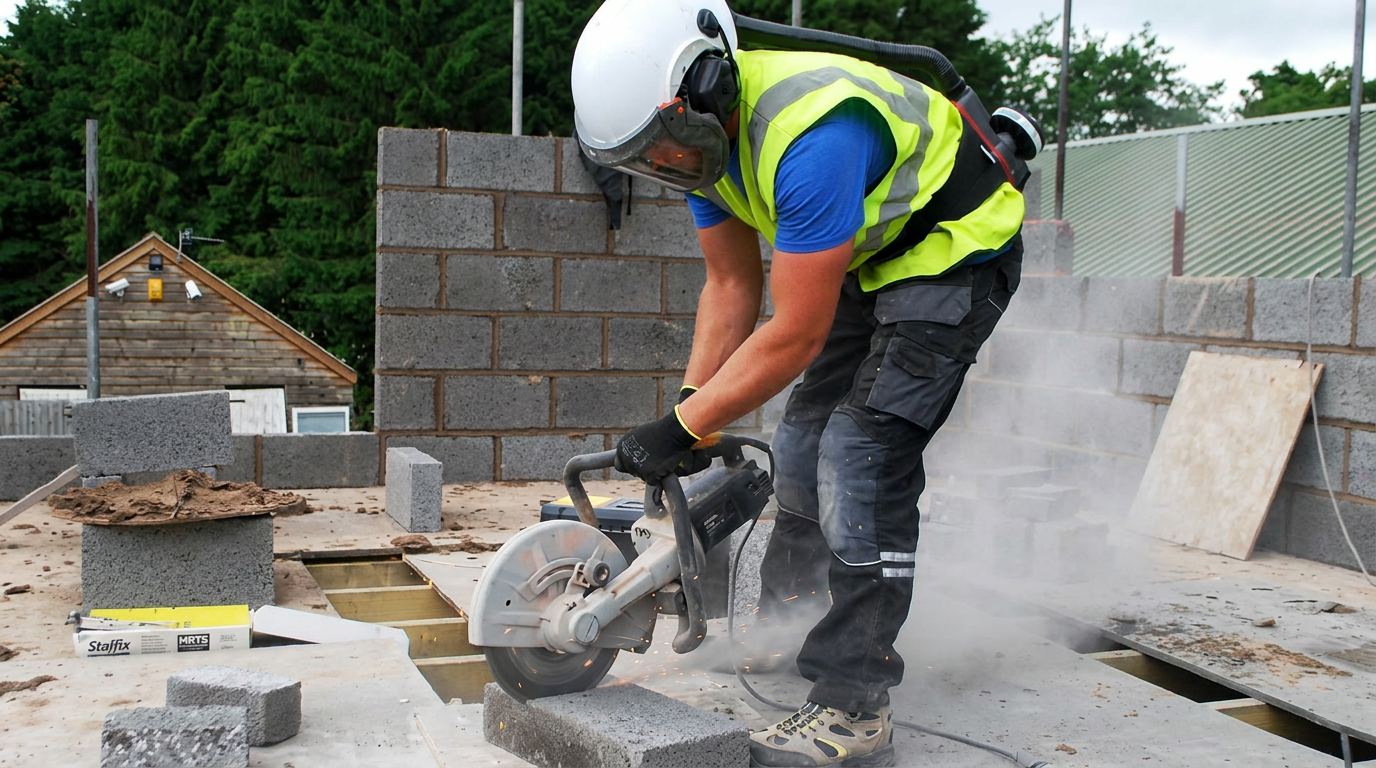
Respirable crystalline silica remains a high-priority enforcement area because of silicosis, lung cancer, and other severe injuries tied to concrete, masonry, and demolition work. Cal/OSHA establishes lower permissible exposure limits for toxic substances compared to federal OSHA, and enhanced protections are required for high-exposure trigger tasks.
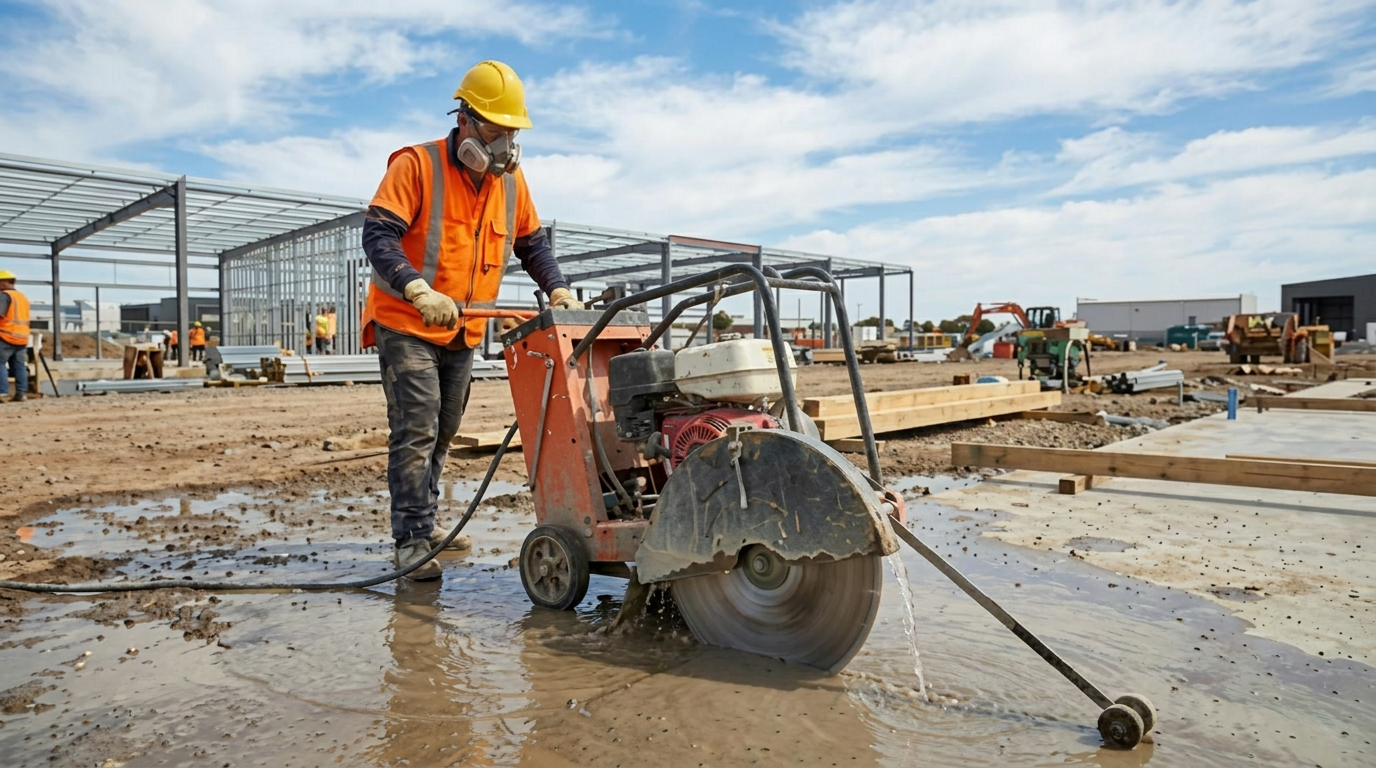
Under 29 CFR 1926.1153, the permissible exposure limit for respirable crystalline silica is 50 micrograms per cubic meter of air as an eight-hour average. The action level is 25 µg/m³. Table 1 specifies engineering controls and work practices for common tasks like saw cutting, jackhammering, abrasive blasting, and grinding. When fully implemented, Table 1 eliminates the need for separate employee exposure monitoring. Employers must also provide specialized training for artificial stone fabrication, given the extremely high silica content of those materials.
Cal/OSHA’s parallel requirements under Section 1532.3 apply to construction work that involves exposure to respirable crystalline silica. Employers must maintain a written exposure control plan, designate a competent person, provide respiratory protection, and offer medical surveillance including chest X-rays and spirometry when respirator use exceeds 30 days per year. Worker exposures must be assessed and documented, and medical removals may apply when a significant diagnosed injury or illness is identified.
Actions: Verify tasks are covered by Table 1 or documented exposure assessments. Inspect dust-collection and water-delivery systems. Keep records of exposure data. Incorporate silica controls into pre-task plans for all regulated areas on site.
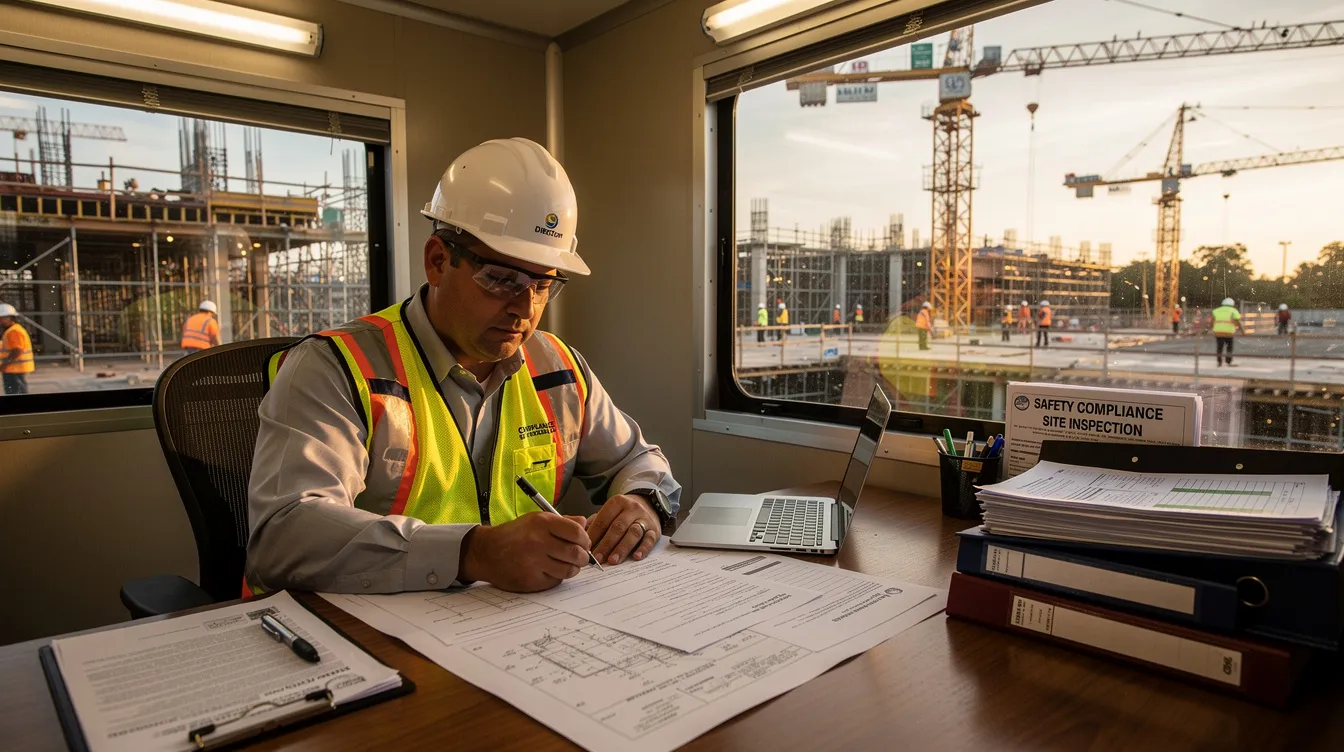
Under Title 8 §3203, every California employer must have a written, implemented, and effective IIPP. Employers must develop a written Injury and Illness Prevention Program, which is the first document Cal/OSHA requests during an inspection. Compliance with cal osha regulations requires regular workplace inspections to correct unsafe conditions.
The eight required elements:
Tailor these for construction: jobsite-specific hazard assessments, subcontractor coordination, pre-task plans addressing changing site conditions. Keep inspection records, tailgate sign-ins, and hazard-correction logs for at least one year. California also requires employers to have a written Workplace Violence Prevention Plan effective as of July 2024, and has unique standards for Repetitive Motion Injury prevention that require specific programs. Employers must maintain safety data sheets and train employees on chemical hazards under Hazard Communication regulations.
Accurate reporting of work-related injuries and illnesses enables agencies to identify hazards, target outreach efforts, and enforce occupational safety standards. Understanding OSHA’s recordkeeping requirements is essential for every contractor.
Who must keep records: Employers with more than 10 employees, including full-time, part-time, seasonal, and temporary workers. Agricultural operations covered by OSHA rules are subject to similar requirements. Certain employers partially exempt from routine logging must still report injuries: OSHA requires reporting fatalities within 8 hours. Inpatient hospitalizations, amputations, or loss of an eye must be reported within 24 hours. Cal/OSHA mandates immediate reporting of serious workplace injuries, illnesses, or fatalities.
What to maintain: Use the correct recordkeeping forms – OSHA Forms 300, 300A, and 301. Employers must maintain injury and illness records in accordance with Cal/OSHA regulations. Records must be retained for five years after incidents occurred. Employers must electronically submit injury data annually via OSHA’s Injury Tracking Application by March 2. Post the Form 300A summary from February 1 through April 30 at each establishment.
Cases are recordable when work-related and involving medical treatment beyond first aid, restricted work, days away, hearing loss, a punctured eardrum, loss of consciousness, or a significant diagnosed injury such as a fracture or cancer. If an employee slips and requires treatment, assess whether the case meets recording criteria. OSHA assesses penalties for recordkeeping violations, so accurate reporting across all illness records is critical.
Practical tips:
Cal/OSHA conducts inspections based on complaints and workplace incidents in high-hazard industries, and coordination with federal OSHA and DIR is increasing. Missing IIPPs, incomplete heat plans, and inaccurate logs impose real costs that multiply across jobsites. Serious, repeat, or willful violations related to hazards such as heat stress or silica can result in penalties of tens of thousands of dollars, negative media exposure, and damaged prequalification scores. Treat documentation as risk management: consistent records demonstrate due diligence during inspections, claims, and disputes. ABC SoCal monitors enforcement memoranda and penalty adjustments so members receive timely alerts.
Use this checklist as a field audit tool:
Heat:
Silica:
IIPP:
Recordkeeping:
General Safety:
ABC SoCal is a non-profit trade association supporting Southern California construction employers across multiple crafts. Key services include safety education courses on heat, silica, fall protection, and IIPP development; apprenticeship programs embedding occupational safety and health knowledge into craft training; and continuing education for safety managers. Members access template IIPPs, sample recordkeeping forms, toolbox talk libraries, and regulatory monitoring that helps anticipate changes to heat rules, silica enforcement, and program expectations.
Join ABC SoCal, enroll your teams in upcoming safety trainings, and build a proactive compliance culture that protects workers and strengthens your competitive position.
Adopt a simple process: monthly reviews of IIPP and site-specific plans, quarterly reviews of heat and silica controls before seasonal shifts, and an annual audit of recordkeeping accuracy before the February 1 posting deadline. Assign clear ownership – a safety director or competent person managing Cal/OSHA documentation, with backups trained through ABC SoCal courses to prevent gaps during any shift when staff is unavailable. Integrate compliance into daily operations by tying safety observations and pre-task plans to documented hazard assessments rather than stand-alone paperwork.
Firms that treat cal osha regulations as part of their business system – rather than last-minute paperwork – experience fewer incidents, lower total risk, and better project outcomes.
California operates a state-plan program approved by federal OSHA, so Cal/OSHA Title 8 rules are the primary enforceable standards. They must be at least as effective as federal OSHA and are often more stringent. Federal initiatives like the 2026 Heat NEP continue to shape enforcement priorities and inspection strategies, even though Cal/OSHA is the enforcing agency.
A case is recordable if it is work-related, is a new case, and meets at least one outcome criterion: medical treatment beyond first aid, restricted work, days away, loss of consciousness, or a significant diagnosed injury such as a fracture. Use OSHA’s definitions in 29 CFR Part 1904 and internal decision trees to maintain consistency. ABC SoCal offers training to help members report injuries correctly across projects.
The action level of 25 µg/m³ is the concentration triggering additional exposure monitoring and medical surveillance obligations. The permissible exposure limit of 50 µg/m³ is the maximum allowable average exposure over eight hours. For many construction tasks, following the controls in Table 1 is the most practical way to comply with both thresholds without constant monitoring.
Yes. Every California employer, regardless of size, must have a written IIPP meeting all eight §3203 elements. The program can be scaled to the business, but it must be implemented – not just filed. ABC SoCal offers right-sized templates suitable for small specialty contractors.
Review and update your IIPP and Heat Illness Prevention Plan, verify silica controls for major tasks, audit injury and illness records from the past year, and conduct a documented jobsite safety walk. Schedule at least one targeted training session for field supervisors through ABC SoCal and create a standard compliance checklist for all new projects.







