

Competitive bidding construction on California public works is not just a pricing exercise. In Southern California, bids often separate on compliance assumptions that look small in the estimate but become expensive in the field. Prevailing wage, apprentice utilization, certified payroll workload, DIR registration, and DAS timing all affect whether a number is realistic before you submit the bid.
This article gives estimators and project leaders in Los Angeles, Orange, Riverside, San Bernardino, and Ventura Counties a shorter pre-bid screen: verify the public-works inputs first, then decide whether the bid is ready to go, needs a pause, or needs rework.
For a deeper look at labor-cost math on covered projects, see California contractors prevailing wage pricing public works in Southern California.

Before submitting a public-works number, ask this:
Is this estimate built on verified public-works inputs, or is it a private-work number with a few adjustments?
That question matters because California public-works labor cost depends on wage determinations, classification rules, apprentice requirements, reporting obligations, and owner-specific instructions. A bid can look competitive and still be wrong if the team used the wrong classification, missed a predetermined increase, ignored apprentice planning, or treated payroll administration as free overhead.
Illustrative example: on a $2 million public works project, even a modest labor-pricing error can consume margin quickly. The practical lesson is simple: public-works estimating needs a compliance check before bid day, not cleanup after award.
If the answer to that core question is unclear, pause and verify these five items before the bid leaves the office:
If you verify those five items, the estimate is more likely to reflect the job that will actually be performed.
Many bid errors begin before you even discuss wage rates. The team first needs to identify what compliance bucket the project falls into.
| Project Type | Main Wage Considerations | Main Apprentice Considerations | Typical Reporting Focus |
|---|---|---|---|
| State or local public works | California prevailing wage through DIR | California apprenticeship requirements, including DAS processes where applicable | Certified payroll and DIR public works registration requirements |
| Federally funded or mixed-funded public works | Federal Davis-Bacon and California prevailing wage may both apply; review the contract and funding requirements to determine how to comply with applicable state and federal wage, classification, and reporting obligations | State and federal apprenticeship rules may both matter depending on the program and contract | Certified payroll plus contract-specific federal, state, or agency reporting |
| Private construction | Generally no public-works prevailing wage requirement unless another statute or funding condition triggers it | No standard public-works apprentice mandate | Standard payroll and contract administration |
This first classification step is where many estimate problems start. Cities, counties, school districts, utilities, transportation agencies, and special districts may each use different forms, portals, prequalification rules, and solicitation language. Estimators should confirm the awarding body’s instructions before carrying assumptions forward from the last bid.
On covered California public works, estimators need the correct prevailing wage determination for the county, craft, classification, and applicable determination period. Those rates can differ across Los Angeles, Orange, Riverside, San Bernardino, and Ventura Counties.
The risk is not only underpaying after award. It is underestimating before award. If the estimate carries the wrong classification, uses an outdated determination, or misses a predetermined increase during the expected project duration, the number may be low for reasons unrelated to productivity.
Apprenticeship planning belongs in the same pre-bid review. Under current California public-works rules, apprenticeship requirements apply on public works contracts valued at $30,000 or more, subject to applicable exceptions and project-specific conditions. Estimators should verify the specific project requirements and current guidance before bidding, then plan labor around the applicable apprenticeable crafts instead of adding a generic apprentice allowance at the end.
Apprentice ratio rules in California are commonly summarized as one apprentice hour for every five journeyman hours of straight time in an apprenticeable craft. Because straight-time planning drives that math, estimators should review likely crew composition by craft instead of using one blended labor assumption.
DAS timing also affects execution risk. Contractors generally must submit DAS 140 within 10 days of signing the contract or subcontract, and no later than the first day workers are employed on the public work. DAS 142 generally must be sent at least 72 hours, excluding weekends and holidays, before apprentices are needed on the job. Those are post-award steps, but their staffing and administrative consequences belong in pre-bid planning.
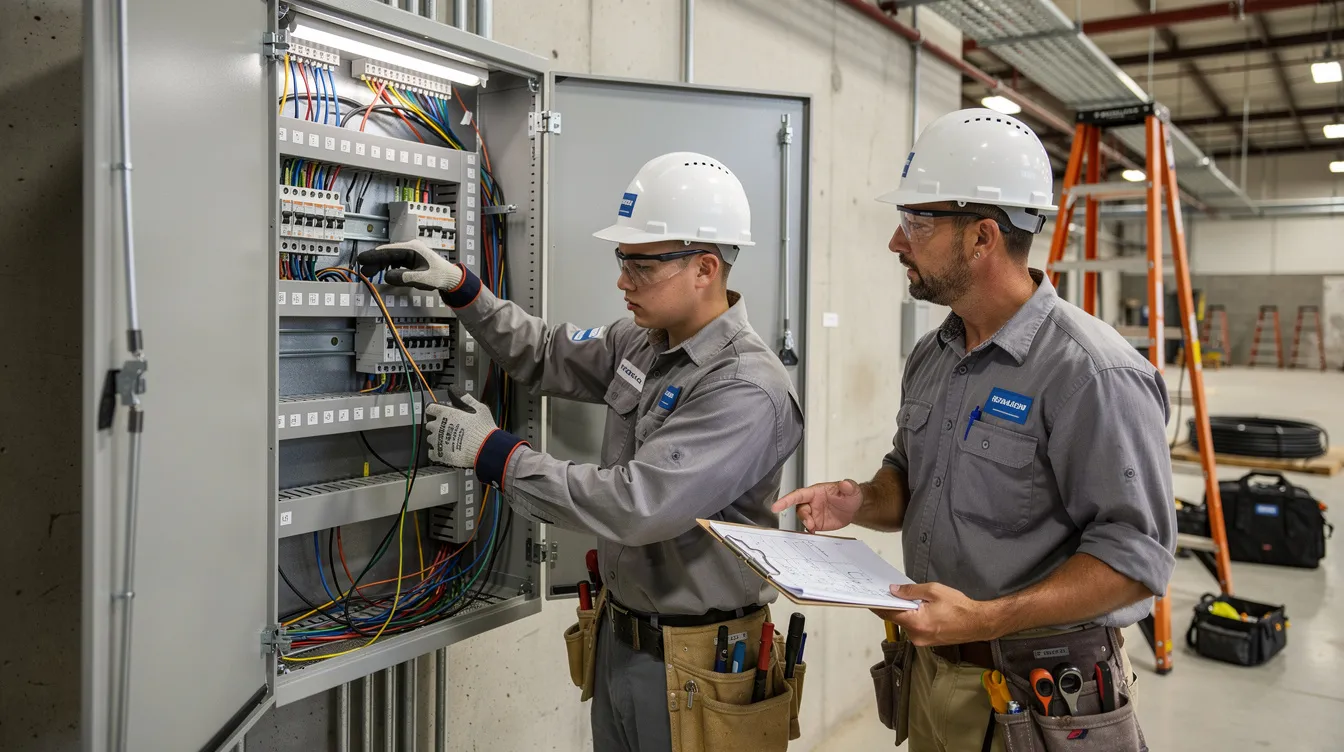
Use this quick review before final pricing:
This is where competitive bidding construction becomes more disciplined. The point is not to diagnose every legal issue at bid time. It is to spot whether the estimate reflects real execution conditions or only hopeful assumptions.
| If this is true… | The bid is likely… | What to do next |
|---|---|---|
| The solicitation, funding source, wage frameworks, and classifications are verified | Structurally sound from a compliance standpoint | Proceed to final price and scope review |
| The labor rates are built, but apprentice planning, DAS timing, or payroll workload has not been mapped | Incomplete | Pause and add crew-planning and administration assumptions before submitting |
| The team is reusing a prior estimate template without confirming county determinations, project type, funding conditions, or owner-specific rules | High risk | Rework the compliance inputs before relying on the price |
Certified payroll is not just post-award paperwork. It affects the true cost of performing the job and the systems needed to support it.
In California public works, payroll records and certified payroll submissions must accurately reflect worker identity information, classifications, hours worked, and wages paid. Contractors need internal controls to ensure timecards, classifications, fringe calculations, and payroll outputs align before submitting records.
That creates real estimating consequences:
Contract terms also matter. Delinquent or inadequate certified payroll records can create withholding or payment issues under some public-works contracts or enforcement contexts, so teams should review the solicitation and contract rather than assuming every owner handles defects the same way.
Take one active pursuit and run it through the five-point verification screen, the observation checklist, and the bid-day decision aid above. If you assume key inputs rather than verify them, fix them before you submit the bid. If the review shows the estimate is sound, document that process and make it part of your standard workflow.
That is the practical advantage in competitive bidding construction. It is not guessing where the market will land. It is controlling the inputs you can verify before the bid goes out.
ABC SoCal supports Southern California merit shop contractors with apprenticeship and labor-compliance education. Review project-specific questions with qualified labor-compliance or legal professionals. This article is for educational purposes only and is not legal advice.







