ABC National made history as the first building and construction association in the United States to earn national recovery-friendly workplace certification, and that achievement was recognized during a White House National Recovery Month event in September 2026. For Southern California contractors managing crews, schedules, and safety across some of the most demanding markets in the country, this recognition signals a shift in how the construction industry treats substance use recovery and mental health on the job site.
A construction mental health recovery workplace goes beyond generic wellness programming. It intentionally supports employees dealing with substance use disorders and co-occurring mental health issues while maintaining strict safety and performance standards on every job site. Here is what Southern California contractors need to know.
In September 2026, the White House Office of National Drug Control Policy hosted a National Recovery Month event that recognized organizations advancing recovery-ready workplace policies and called on employers nationwide to develop more recovery-friendly workplaces. ABC National was among the organizations recognized for its leadership in this space.
ABC National earned its recovery-friendly workplace certification from the National Recovery Friendly Workplace Institute in March 2025, making it the first building and construction association in the United States to receive this designation. That certification signals to employees and member companies that the association meets verified standards across four pillars: culture, hiring and retention, benefits, and education and awareness.
It helps to understand the distinction between three related developments. First, ABC National holds formal certification status as a recovery-friendly workplace. Second, ABC participated in White House roundtables and recognition events advocating for recovery-ready workplaces across industries. Third, ABC has committed to incorporating recovery-friendly certification criteria into its STEP safety management system and encouraging its 67 chapters and more than 23,000 member companies to pursue similar practices. As reported by Construction Executive and confirmed by ABC National, the recognition reflects years of advocacy and internal policy development.
This national milestone matters specifically in the construction industry because heavy physical work, high injury risk, and frequent layoffs mean construction workers are uniquely affected by addiction and recovery. Sector-specific recognition is more than symbolic; it acknowledges an industry reality that demands a construction-specific response.
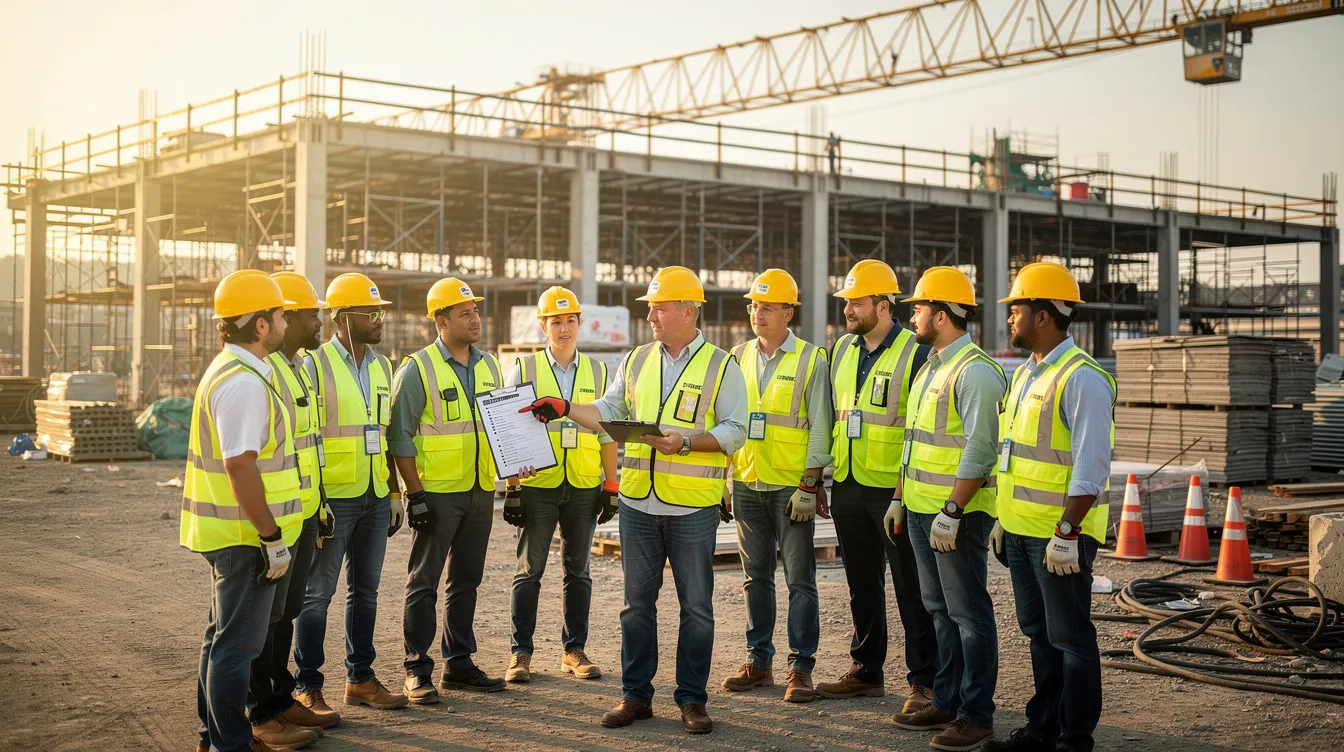
Construction workers face pressures that compound mental health and substance use risks well beyond what most industries experience. Long hours and job insecurity contribute to chronic stress, while physically demanding work leads to injuries that can trigger chronic pain and, in turn, substance use disorders. Seasonal layoffs, travel between projects, and time away from family members add further strain.
The numbers are stark. Construction workers face high rates of psychological distress and substance use. Nearly two-thirds of U.S. construction workers experience anxiety or depression. Construction has one of the highest suicide rates of any industry, with workers facing a suicide rate 75% higher than average. Nearly 6,000 U.S. construction workers die by suicide each year, and employees in construction have nearly double the substance abuse rate. Globally, about 280 million people suffer from depression and anxiety disorders affect roughly 4% of the global population, but these conditions hit construction workers with particular severity due to the physical demands and cultural barriers in the field.
Long hours and physical demands increase depression risk in construction, and depression may also show up as trouble concentrating on the job; construction workers often operate in a culture that discourages discussion of mental health issues. Recovery-friendly workplaces directly address these pressures by:
Mental health initiatives can reduce workforce turnover and improve retention, making recovery support both a human and business priority.
Southern California contractors operate in high-pressure markets spanning commercial, industrial, and infrastructure work across Los Angeles, Orange County, the Inland Empire, Ventura County, and the San Fernando area. Schedule demands, safety expectations, and workforce reliability are constant concerns, and the labor supply remains tight.
ABC National’s recovery-friendly certification and White House recognition connect directly to regional realities. In California, construction and extraction workers have the highest opioid overdose death rate among occupational categories. The competition for qualified craft professionals is intense, and the cost of turnover and retraining when experienced workers leave due to untreated substance use or burnout is significant. Losing a journeyperson mid-project does not just create a staffing gap; it disrupts crew cohesion, slows production, and increases risk.
Adopting recovery-friendly workplace principles can help local firms stabilize key crews, support apprentices and journey-level workers through challenges, and protect project continuity without lowering performance expectations. A worker who knows support is available is more likely to disclose a problem early, before it becomes a safety incident.
California’s regulatory and owner expectations around safety are already among the highest in the country. Integrating recovery-supportive practices into safety culture helps demonstrate due diligence and commitment to total worker well-being during prequalification and bid reviews. The tone should be practical: Southern California contractors must decide whether to revisit policies, supervisor training, and benefits to align with national recovery-ready workplace expectations.
A recovery-friendly workplace initiative is fundamentally different from a standard wellness program. Traditional wellness efforts tend to focus on fitness, nutrition, and general stress reduction. Recovery-friendly practices specifically address substance use, addiction recovery, and related mental health concerns with structured policies and accountability.
Key elements contractors should understand include:
Recovery-friendly does not mean relaxing drug and alcohol policies on job sites. It means pairing firm safety rules with compassionate response and referral when a worker discloses a problem.
Consider this scenario: a long-time crew member approaches a superintendent and self-reports struggling with prescription pain medication use before any incident occurs. Under a traditional approach, the worker might be terminated on the spot. Under a recovery-friendly framework, the supervisor would remove the worker from safety-sensitive duties, connect them with confidential resources, and follow a documented process that may include a structured return-to-work agreement. This maintains physical safety and gives the worker a realistic path to recovery, rather than a reason to hide the problem. Reducing stigma around mental health can promote recovery among construction workers and keep experienced people in the workforce.
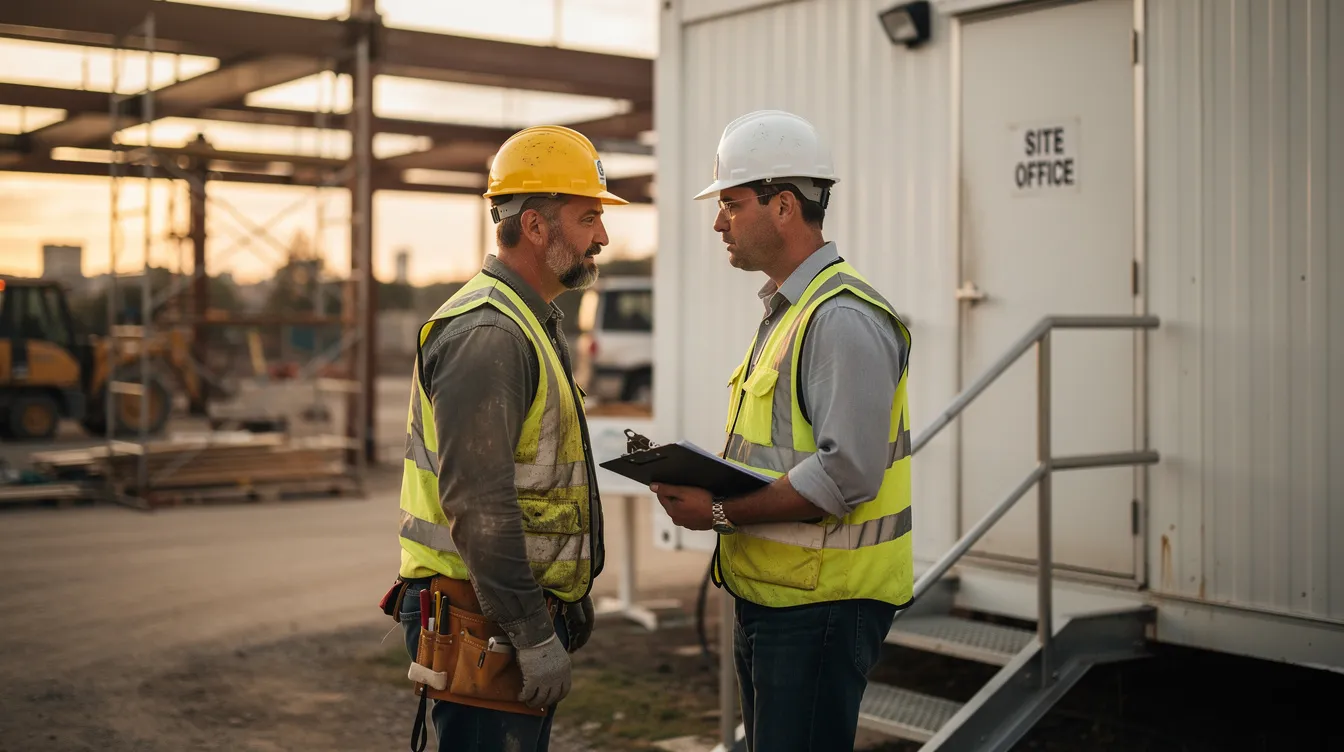
ABC’s Total Human Health initiative organizes health around four dimensions: body, heart, mind, and soul. The initiative includes training that helps construction workers develop help-seeking and help-giving skills, understand how to prevent suicide, and support overall well-being across every dimension of a worker’s life.
Recovery-friendly workplace principles fit naturally into this broader framework. Substance use and recovery intersect body (physical health and safety), mind (mental well-being and occupational health), and heart (emotional connection, social belonging, and open dialogue about challenges). This is not a separate program layered on top of existing safety systems; it extends the same philosophy.
The relationship between recovery-friendly commitments and ABC’s STEP safety management system is direct. STEP added Total Human Health as its 26th key component, signaling that high-performing safety cultures treat mental health and recovery support as core risk controls, not optional extras. Employers should integrate mental health into their safety protocols, and STEP provides a benchmarking structure to evaluate how effectively they do so.
ABC SoCal serves as a local partner that can help member firms align their safety and people systems with national Total Human Health and recovery-friendly best practices through training, peer sharing, and safety education offerings. The mental health in construction safety resources and safety management strategies already available to members provide a foundation to build on.
Southern California construction leaders do not need to wait for a formal certification program to move toward recovery-friendly workplaces. Here is a quick internal review checklist.
Policy language: Review employee handbooks, drug and alcohol policies, and safety manuals. Do they clearly explain both zero-tolerance expectations for impairment on the job and supportive, confidential pathways for workers who seek help? If the only message is punitive, workers dealing with substance use or mental health challenges will not come forward.
Supervisor readiness: Evaluate whether foremen, superintendents, and crew leads have basic training in recognizing warning signs, responding to a help request without judgment, documenting concerns, and knowing when to escalate to HR, safety, or an Employee Assistance Program. Training can help teams spot early signs of anxiety disorders before they escalate. Supervisors should not try to “fix” issues alone.
Benefits and resources: Inventory existing support services. Employee Assistance Programs provide confidential access to mental health services, and many contractors already have them but rarely promote them. Check whether behavioral health coverage through health plans is adequate, whether peer-support contacts are available, and whether workers actually know about the 988 Suicide and Crisis Lifeline. If the information is buried in onboarding paperwork, it is effectively invisible.
Communication and trust: Consider whether the existing culture makes it safe for a worker to say “I need help” without assuming automatic termination. Daily mental health check-ins can significantly benefit employees. This may involve toolbox talks, town halls, or written messages from leadership that explicitly state the company supports recovery as a path, not a disqualifier. Open communication about mental health concerns builds the trust that makes policies work in practice.
Contractors sometimes worry that recovery-friendly language could conflict with strict safety requirements. This concern is understandable and worth addressing directly.
What recovery-friendly does mean:
What recovery-friendly does not mean:
For example, a company can enforce removal from duty after a positive test while simultaneously providing access to information about treatment options and a possible path back under a structured return-to-work agreement. Workplace injuries and unresolved past trauma can contribute to PTSD, which may affect how a worker perceives the job site and performs tasks safely. Accountability and compassion are not opposites; they are both necessary.
This article provides general educational guidance, not legal or medical advice. Employers should work with qualified legal counsel, HR, and safety professionals when changing written policies or return-to-work procedures.
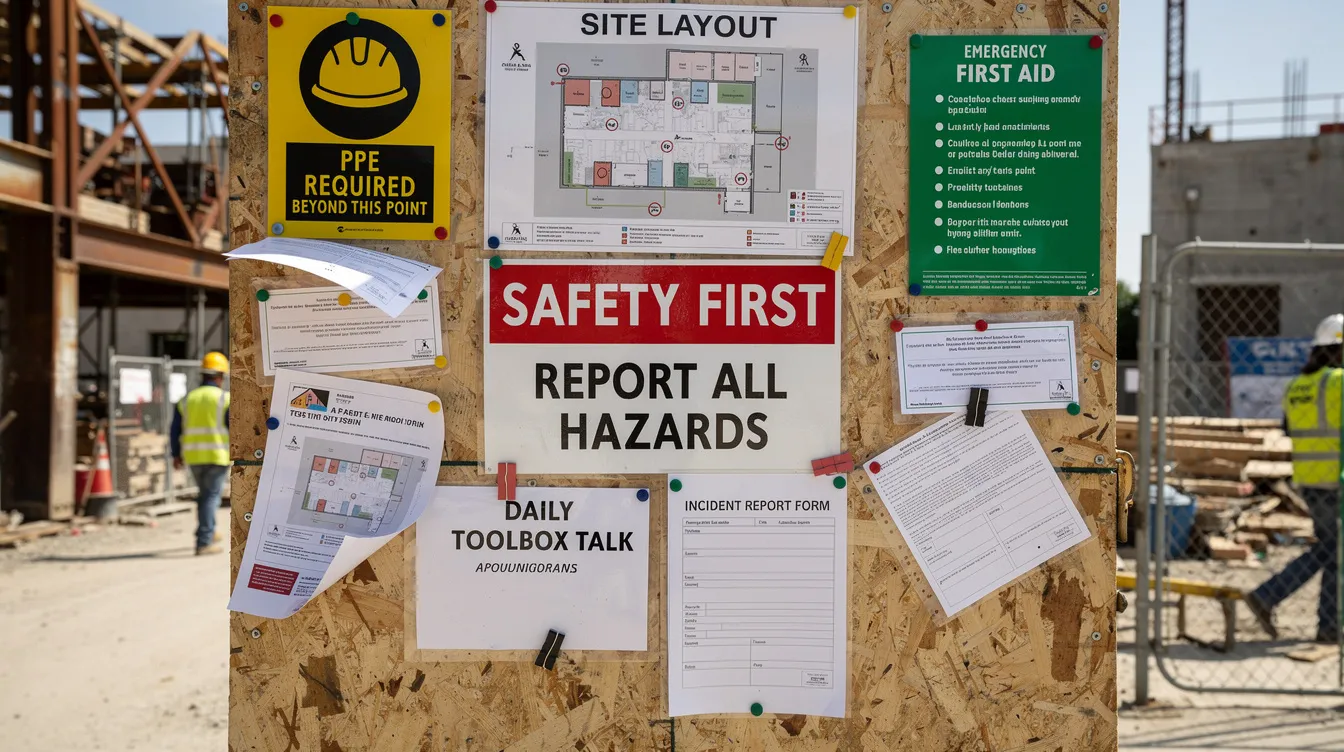
Many ABC SoCal members already invest heavily in safety training, toolbox talks, and continuing education. Weaving recovery-friendly messages into these existing forums is often the most practical and sustainable approach.
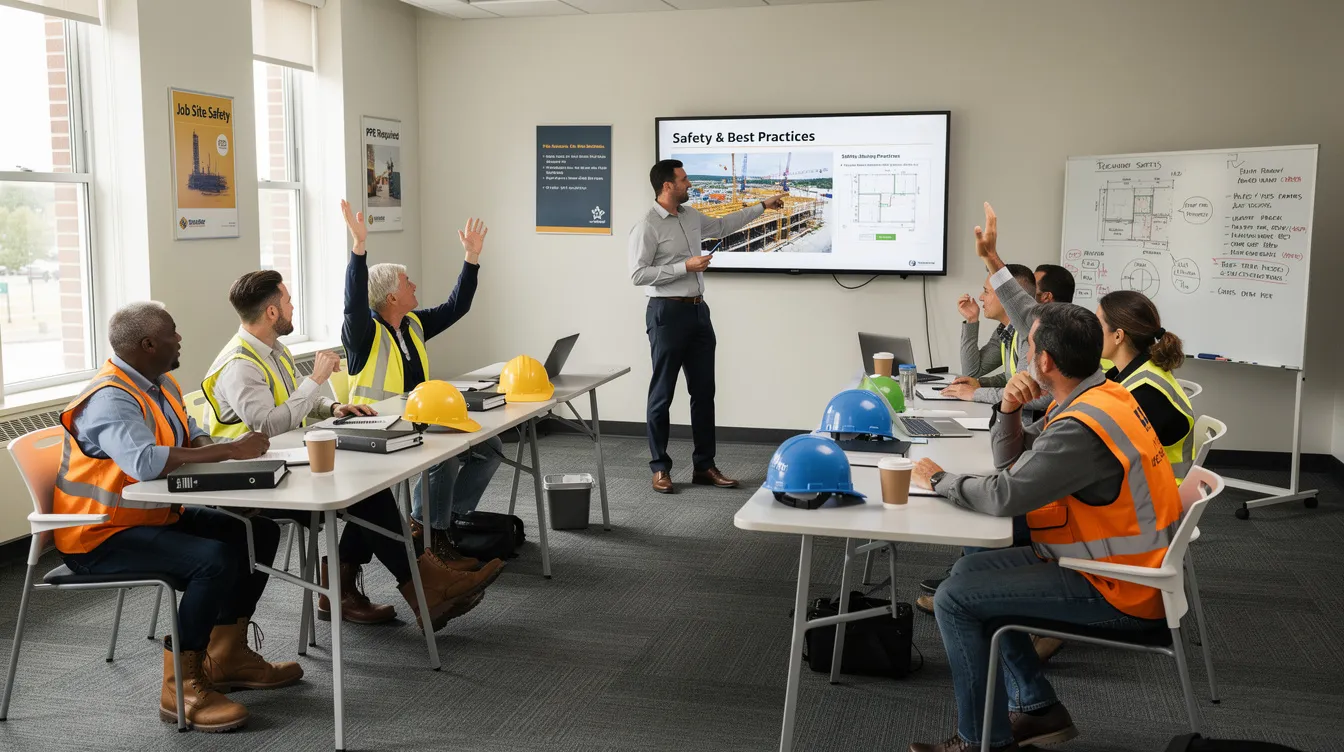
Specific training touchpoints where mental health and recovery content can be added include:
Include stress management discussions in toolbox talks as routine, not just during National Recovery Month. Peer support groups can help workers address mental health challenges collectively, and peer-support programs improve mental health visibility in workplaces when they are sustained over time.
Consider two example toolbox talk topics that combine safety and recovery: the impact of prescription pain medication on alertness and reaction time, or how to support a coworker who returns to the crew after treatment without gossip or stigma. These conversations normalize recovery, reinforce safety, and create an environment where workers feel they can thrive rather than hide.
Leaders should measure participation, feedback, and comfort levels over time to adjust their approach. A one-time event generates awareness; consistent integration into training creates culture change.
In a competitive Southern California labor market, supporting workers through mental health and recovery challenges is a strategic retention and workforce development tool. A supportive workplace culture encourages workers to seek mental health support, and that willingness to seek help keeps skilled people in the industry.
Recovery-friendly practices can help keep skilled electricians, plumbers, low voltage technicians, and sheet metal workers in their careers by offering a realistic path to handle setbacks without losing everything they have built. Construction workers have nearly twice the rate of substance abuse compared to other industries, and when employers respond to that reality with support rather than only discipline, they protect both the worker and the investment the company has made in their knowledge and productivity.
Apprentices and craft trainees may face unique stressors related to school, work, and family members. A supportive culture makes it more likely they will finish programs and grow into safe, productive journey-level professionals. ABC apprenticeship pathways in electrical, plumbing, low voltage, and sheet metal are long-term investments in future growth; recovery-friendly practices protect that pipeline.
Workforce stability also benefits clients and project owners. Stable teams are safer, more efficient, and deliver more consistent quality. Contractors can highlight recovery-friendly and Total Human Health commitments in proposals when appropriate, demonstrating to owners that their workforce strategy goes beyond headcount to encompass the overall well-being of every person on the project.
ABC National’s recognition as a recovery-friendly association is an opportunity for Southern California members to examine their own policies and culture through the same lens. The certification criteria and White House advocacy provide a credible framework; local leaders now need to translate it into action.
One clear first step: schedule a leadership and HR review meeting within the next 30 to 60 days to map current policies, benefits, and training against the recovery-friendly workplace principles discussed in this article. Bring the employee handbook, the drug and alcohol policy, the EAP provider’s materials, and the most recent safety training agenda.
Identify one small but concrete change to implement quickly. That might mean adding recovery-support contact information to safety boards, including a short recovery-support script in supervisor training, or updating policy language to clarify help-seeking options for workers who are recovering or struggling. Even a single visible change signals to the workforce that the company’s interest in their well-being is genuine, not performative.
Invite safety managers, apprenticeship coordinators, and field leaders into the conversation so that any changes remain realistic for multi-employer job sites, public works projects, and the complex schedules common across Southern California communities. Explore ABC SoCal’s safety education offerings, Total Human Health resources, and leadership training as starting points for making recovery-friendly culture real on your projects.
Mental health recovery is not a liability; it is a sign that someone is doing the hard work to get better. The businesses that recognize that will build stronger, more stable crews for the future.
These FAQs address practical questions Southern California contractors may have about recovery-friendly workplace initiatives that are not fully covered above.
Certification is not currently required by law in California. It is a voluntary standard and recognition. However, adopting recovery-supportive practices can still improve safety culture, reduce risk, and strengthen competitiveness even if a company chooses not to pursue formal certification. As regulatory and owner expectations continue to evolve, demonstrating a commitment to worker well-being may increasingly factor into prequalification and bid evaluation.
Start with low-cost, practical steps. Identify community treatment and peer-support resources in your area. Post crisis and support hotlines, including the 988 Suicide and Crisis Lifeline, where workers can see them. Train a few key supervisors on the basics of responding when someone asks for help. Clarify in simple, written policy language that employees can seek help without automatic termination. American Addiction Centers and similar organizations can provide technical assistance and educational materials. These steps cost little but create an environment where workers know the door is open.
Recovery-friendly workplaces still follow all applicable federal, state, and owner-mandated testing and safety rules regarding drugs and alcohol. The difference lies in how employers respond after a positive test or disclosure. Rather than relying solely on discipline, a recovery-friendly approach includes providing information on treatment options, referral to support services, and, where appropriate, a structured return-to-work process. Prevention and support work alongside accountability, not in place of it.
Supervisors are not expected to act as therapists. Their role is to notice changes in behavior or performance, start a simple conversation, listen without judgment, reinforce safety expectations, and connect workers to professional resources or HR using company-approved talking points. The goal is to identify when someone may be struggling and to speak clearly about available support. Feelings of anxiety or crisis should be met with referral, not diagnosis. Training in these basics gives field leaders the knowledge and confidence to act without overstepping.
Members can start with ABC SoCal’s safety and leadership training offerings, including the Safety Academy, foremanship programs, and existing mental health awareness resources. The Total Human Health initiative, mental health in construction safety materials, and safety management strategy resources provide frameworks that align with recovery-friendly workplace principles. Contact ABC SoCal directly to explore current program availability, continuing education options, and peer-sharing opportunities that can help your company take the first step.