
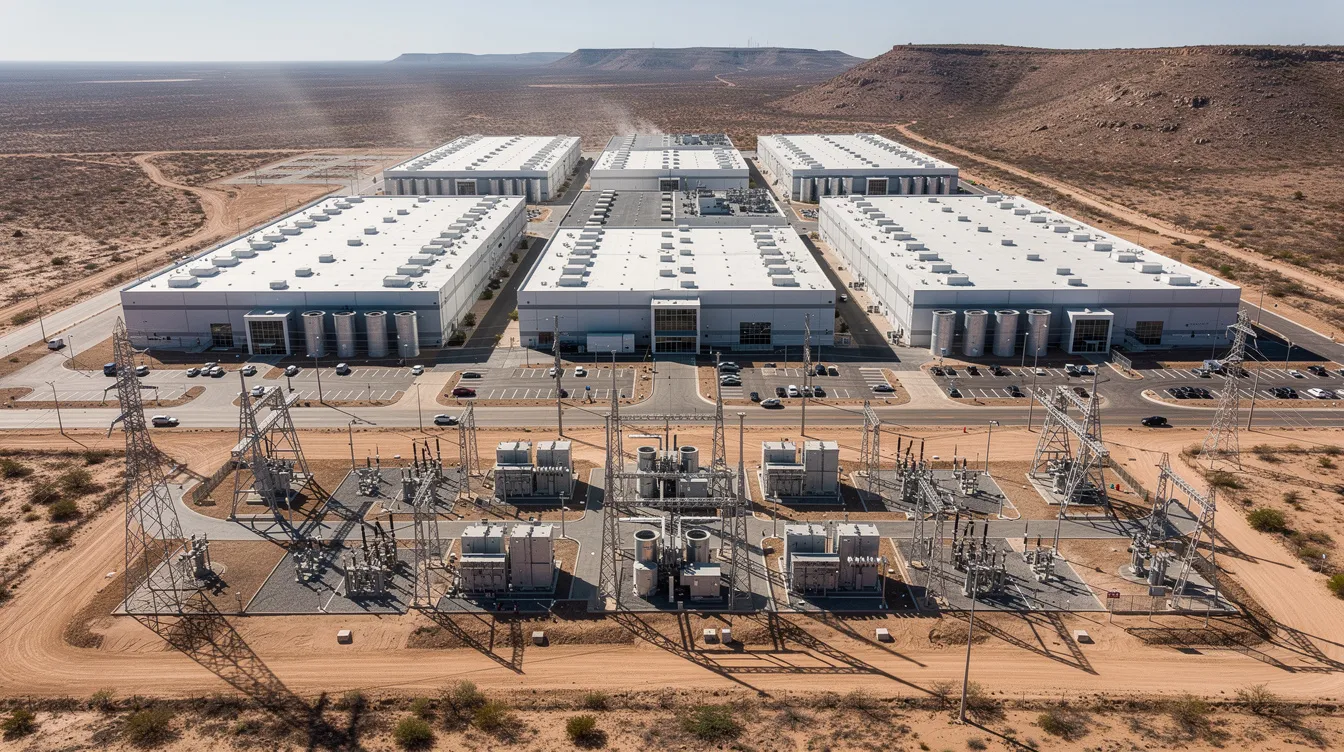
ABC National reported another month of backlog growth in September 2026, driven primarily by data center strength. For contractors tracking data center construction in Southern California, the signal carries specific implications for Q4 pursuit decisions, staffing, and compliance screening. This article breaks down what the September gain means locally, which trades face pressure first, and how to separate a strong market signal from a viable project before committing bid resources.
ABC’s Construction Backlog Indicator rose to 8.7 months in September 2026, up from 8.5 in August. Firms performing data center work averaged roughly 11.3 months of backlog, about three months more than those without it. Data centers are a major driver in private nonresidential construction, and the numbers confirm it: data center construction spending increased 149% annually since March 2026, data center spending rose 7.5% in August 2026, and spending rose 73% over the prior 12 months.
Southern California contractors cannot simply read a national headline and assume the opportunity distributes evenly. The Southern California data center market is influenced by intensive local and regional demand dynamics, from utility capacity to environmental permitting, that filter which projects actually reach construction. This article is built for one purpose: helping you decide which pursuits deserve your resources in Q4 and which ones represent concentrated risk disguised as backlog.
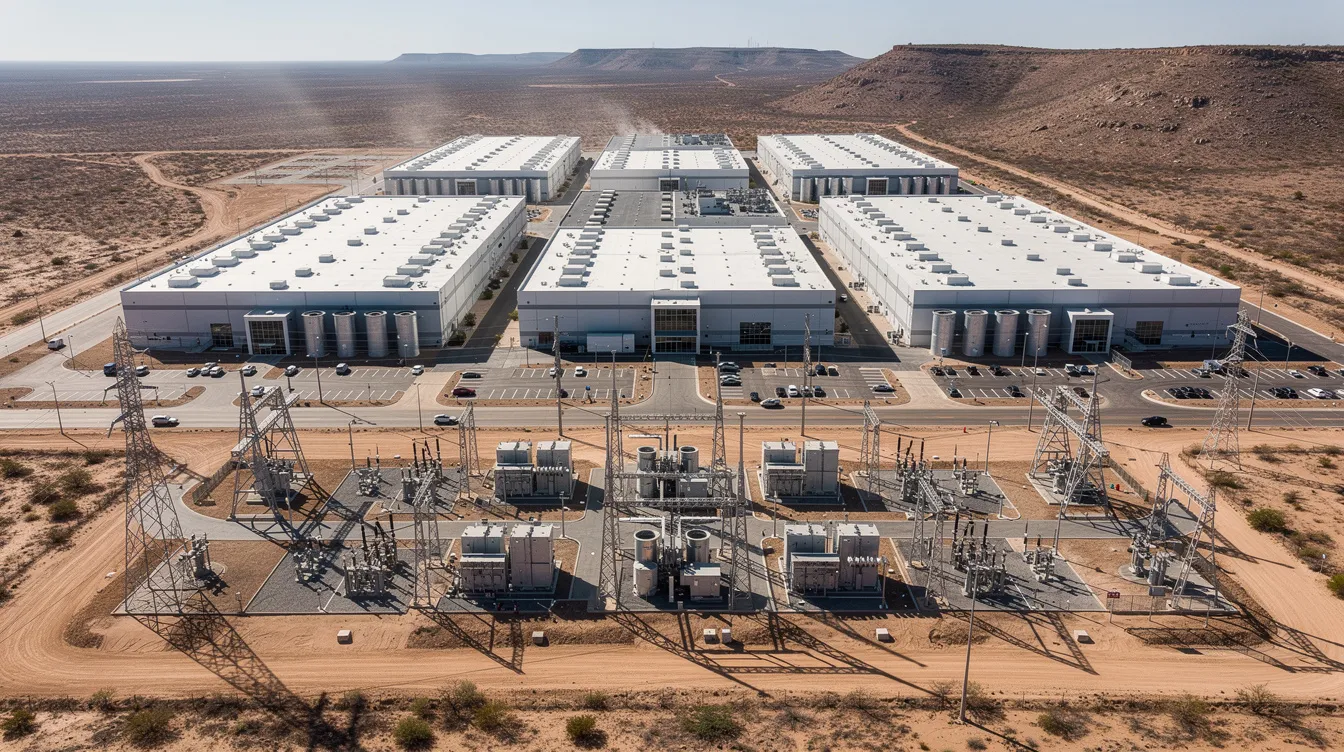
California has more than 200 active data centers, ranking the state just behind Texas and Virginia nationally, according to the California Energy Commission. In early 2026, those facilities accounted for approximately 1,000 MW of peak demand. The CEC forecasts that figure will climb to about 4,500 MW by 2040, roughly 9% of California ISO peak load.
That forecast is not speculative. It is based on utility energization requests and known loads already in the interconnection pipeline. Data center construction in Southern California is influenced by regional demand for AI and cloud computing, and hyperscalers raised AI-related capital expenditures to $750 billion in 2026. Data center demand is expected to reach $1 trillion by 2027.
Power availability is a critical constraint for data center development. These facilities typically require dedicated uninterruptible power supplies, precision cooling systems, and redundant backup generation. High-density power distribution is essential for AI workloads in data centers, making electrical and mechanical coordination central to construction delivery. Southern California is also a key region for international fiber-optic connectivity, which continues to shape data center operations and site selection decisions.
Data center demand keeps the backlog resilient even when other segments soften because these projects are power-intensive, systems-heavy, and long-duration. That combination creates sustained work for the trades involved.
Not every Southern California market benefits equally. Key considerations for data center site selection include power availability, zoning, and environmental compliance, and those factors vary dramatically by subregion.
Los Angeles County remains the primary concentration, with approximately 60 tracked data center facilities and projects. Operating capacity sits near 143 MW, with another 131 MW in the pipeline. Submarkets like El Segundo, Vernon, and Burbank carry the most activity, though greenfield sites are rare. Most growth comes through colocation and conversion of existing industrial or warehouse space.
The Inland Empire and Orange County offer industrial corridors with available land and warehouse stock that can be converted to data center use. The Winter 2026 UCLA Anderson/Allen Matkins survey confirmed that sustained e-commerce demand and growing interest in data centers and digital infrastructure are supporting industrial demand in Southern California, with a stronger industrial outlook than office development.
Ventura County presents niche opportunity near existing campuses or fiber-rich corridors, though fewer large land sites and tighter local regulation limit scale.
However, contractors must factor in significant regulatory friction across all of these markets:
Community engagement is vital for local acceptance of data center projects. Contractors who understand these constraints can screen projects more effectively than those who chase every opportunity without evaluating the site’s regulatory profile.
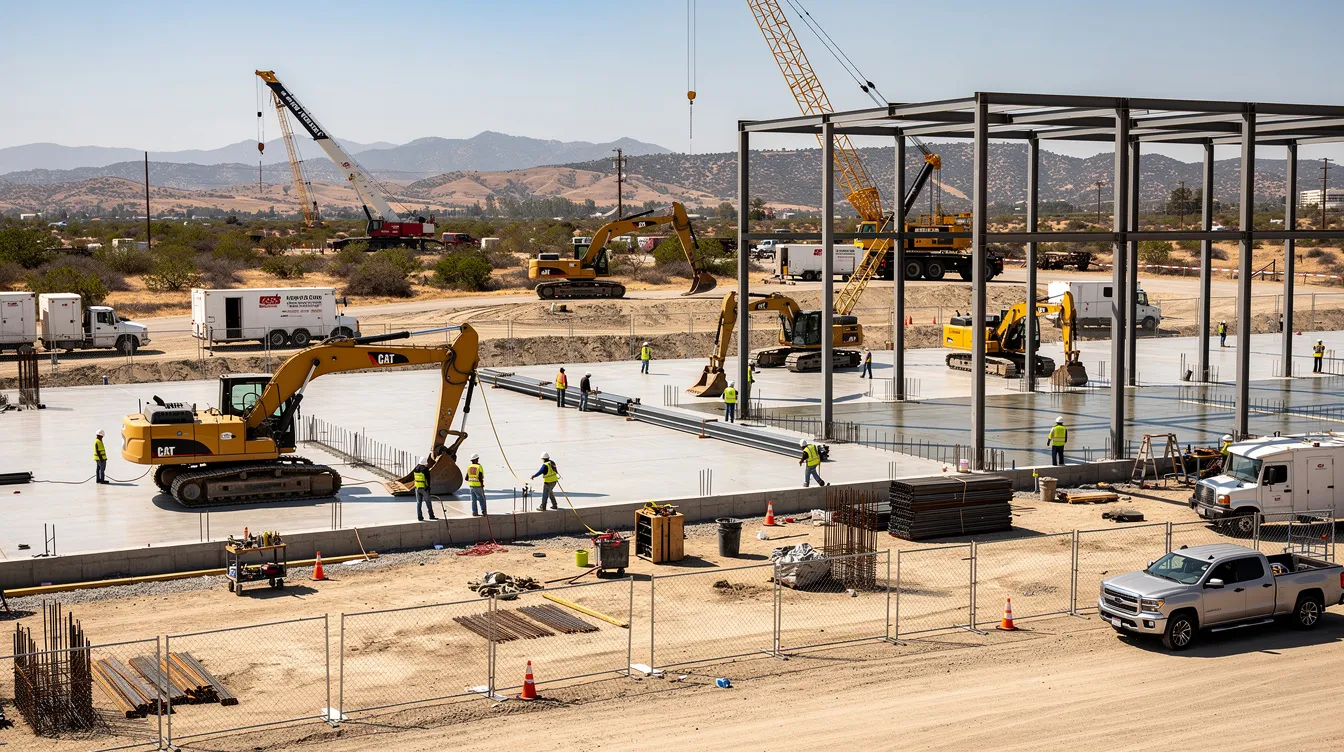
Data center backlogs don’t hit every contractor equally. The trades most exposed to this demand are those closest to mission-critical work:
| Scope | Why It Feels Pressure First |
|---|---|
| Electrical and medium-voltage power | Substation buildouts, switchgear, transformer pads, UPS systems, redundant feeders. Often the procurement bottleneck with lead times measured in months. |
| Mechanical and precision cooling | Chillers, cooling towers, CRAH/CRAC units, hydronics, water supply and treatment. Cooling dictates site layout and power infrastructure. |
| Low-voltage, controls, and structured cabling | Fire suppression, security, fiber backbone, BMS, battery systems. Highly specialized and labor-intensive with demanding tolerances. |
| Civil, site utilities, and generator/TPSS | Grading, concrete pads, stormwater, water supply, backup diesel or gas generators, outdoor enclosures. Delays here cascade through the entire schedule. |
Developers increasingly use modular construction to speed up data center build timelines, and phased construction techniques allow data centers to deliver capacity faster through incremental builds. Both approaches create new sequencing demands that affect how trades coordinate and staff.
A rising backlog indicator does not make every pursuit good backlog. Data center projects require significant financial planning because construction costs in Southern California are high. Before committing estimating hours to any mission-critical bid, run a go/no-go pursuit screen that covers four areas:
Over 60% of planned data center capacity for 2027 has not started. That gap between planned and started tells you that many projects stall somewhere in this screening process. About 7% of data center projects are delayed by permitting hurdles, and another 7% are delayed by supply chain bottlenecks. Permitting hurdles delay data center projects at every stage. These are not abstract risks; they explain why a strong market signal does not automatically produce a buildable project.
Before your team submits a bid on any data center pursuit, run it through these four questions:
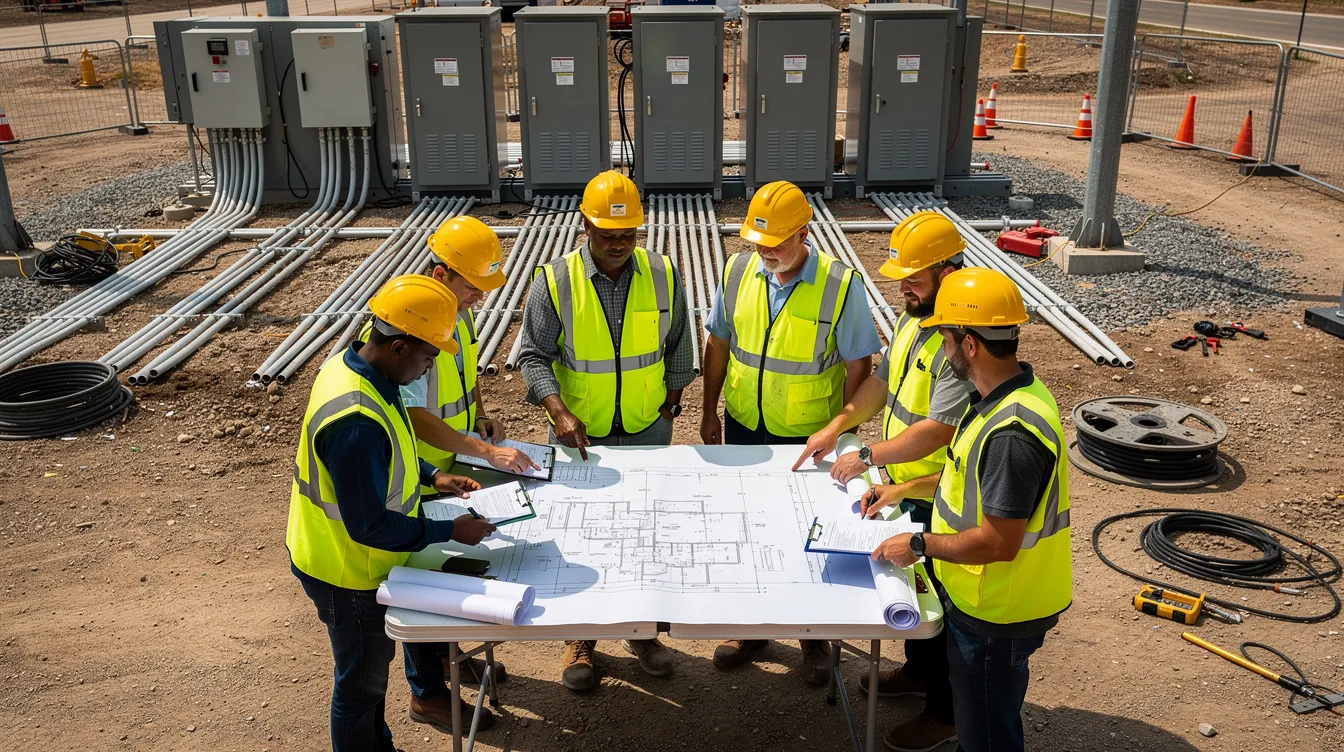
If you are actively evaluating data center pursuits, take these steps in the next 30 days:
Most data centers are private projects. But the moment public funding, utility infrastructure funding, or a public-entity participation enters the picture, California public-works rules apply, and the compliance exposure changes significantly.
Classify every data center pursuit as private, public, or mixed-funded as early in the process as possible. Here is what triggers compliance:
Before bidding, confirm the funding source and ownership structure. A project that begins as private can shift to mixed-funded status through utility infrastructure agreements or public incentives. Catching that shift after bid submission is a compliance risk your firm does not need.
Before your next pre-bid meeting on a data center pursuit, run this checklist:
ABC SoCal offers specific resources that align with these screens. The chapter’s apprenticeship programs in Electrical, Plumbing, Low Voltage, and Sheet Metal directly address the craft pipeline that data center projects demand. Safety education, continuing education, and the Foremanship Academy help contractors build the team capacity that mission-critical work requires. Labor compliance support helps member firms navigate public-works screening, DAS processes, and prevailing-wage obligations before they become problems.
Data center strength can both expand your backlog and concentrate your risk. The September gain confirms that this segment continues to pull the national indicator upward, and Southern California is part of that story. But pursuing every opportunity without screening for utility readiness, funding maturity, labor availability, and compliance triggers is how firms turn a strong market into an overextended one.
Take one concrete step in the next 30 days: run a cross-functional backlog review with your estimating, operations, and workforce leaders. Apply the pursuit screens in this article to at least one active data center bid. If you need apprenticeship, compliance, or training support to build the capacity this segment demands, access ABC SoCal membership benefits and put those resources to work before you need them on a jobsite.







