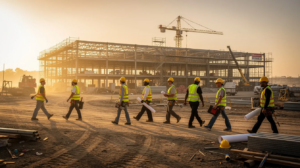
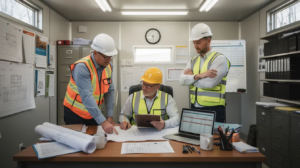
Southern California summer stacks hazards faster than any other season. High temperatures push inland valleys past 100°F, UV rays bounce off concrete and steel for hours, dry brush turns every spark into a wildfire threat, and peak roadwork fills work zones with distracted drivers. For merit shop contractors, safety directors, and field managers, this is the stretch that tests every plan you have on paper. OSHA reports that thousands of outdoor workers get sick from heat each year, and construction ranks among the highest-risk industries. Plan ahead to stay illness- and injury-free during summer activities – both on the jobsite and off.
This article is your run-it-yourself summer safety checklist: five pillars you can brief at the start of the season and revisit every hot week to prevent injuries, protect your crews, and keep projects on schedule.
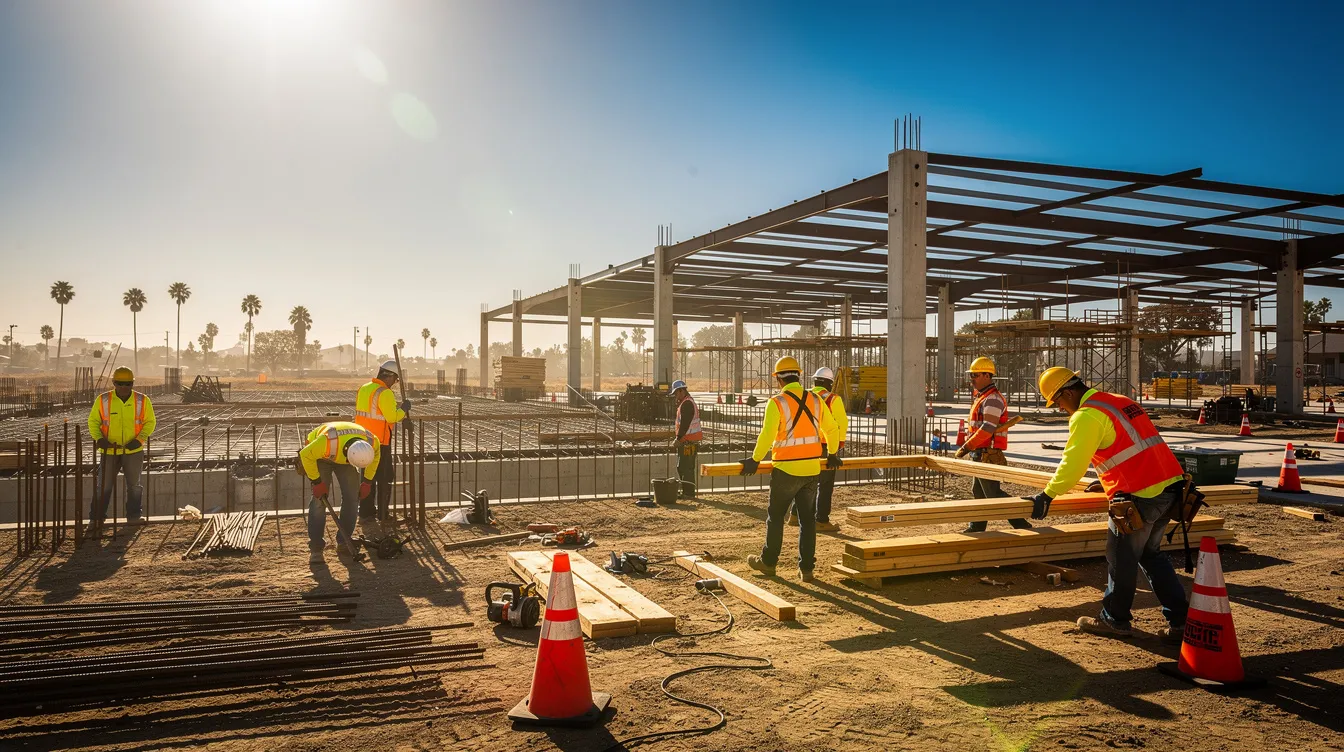
These five pillars come from where summer injuries and compliance failures actually occur on SoCal construction sites. Cal/OSHA’s heat illness prevention standards, California Department of Public Health injury data, wildfire exposure in WUI zones, equipment failure patterns during extreme heat, and traffic incident spikes during peak construction season all informed the selection. Each pillar carries both a regulatory mandate and a direct business impact – workers’ comp costs, project delays, and enforcement penalties are all involved when crews cut corners on summer practices.
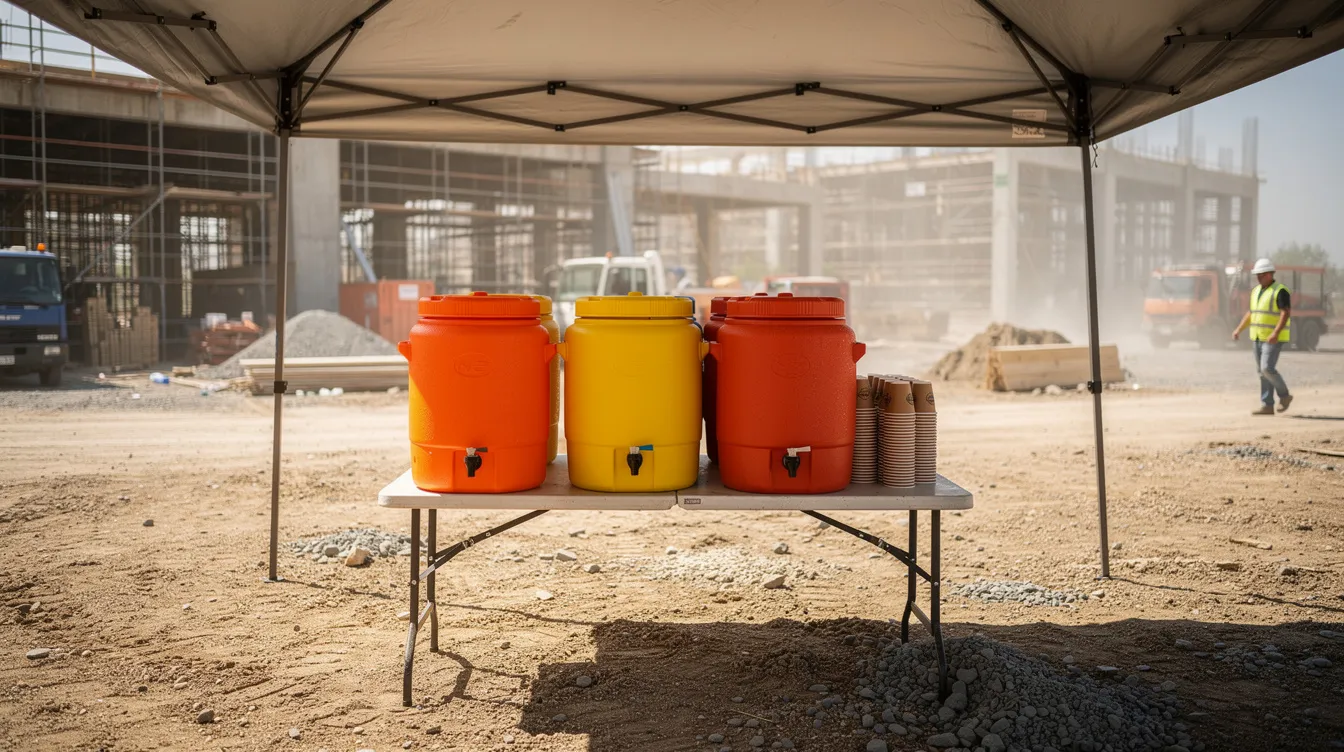
Cal/OSHA requires employers to provide fresh, cool, potable water free of charge, located as close as practicable to work areas. Heat illness prevention plans should identify site-specific risk factors, and high-heat procedures should kick in at 95°F, with additional monitoring and rest mandates.
Heat-related illness is one of the most preventable yet most common summer hazards in construction, and one that can lead to serious accidents. Heat exhaustion symptoms include fatigue, dizziness, and rapid heart rate, so site heat-safety guidelines should identify the key risks and clearly trigger high-heat procedures when conditions warrant. Left unchecked, heat exhaustion can escalate to heat stroke, which is a life-threatening emergency requiring immediate medical help. Know the signs of heat-related illnesses like dizziness or nausea – early recognition is everything. Hydration helps regulate body temperature during physical tasks, and frequent water breaks are essential to prevent heat-related illnesses.
Crews working in direct sun, on rooftops, in trenches, or performing physically demanding tasks during hot weather. New construction workers are more susceptible to heat-related illnesses because they lack heat tolerance – acclimate them gradually over their first week.
Outdoor construction employees face some of the highest cumulative sun exposure of any occupation. UV radiation is highest between 10 a.m. and 4 p.m., and reflected UV from concrete, metal, and water intensifies exposure well beyond direct sunlight. Serious sunburns can lead to skin cancer later in life, yet nationally only about 8% of construction laborers have had a skin exam in the past year.
Melanoma incidence in Orange County runs approximately 30.5 per 100,000, and it is rising in Riverside and San Diego counties. This is a long-term health risk that starts with daily UV exposure on the jobsite. For example, workers who skip protection during summer months accumulate damage that may not show symptoms for years.
Roofers, ironworkers, road crews, and anyone spending full shifts exposed to direct or reflected sun. Workers taking medications like certain antibiotics or NSAIDs face increased sun sensitivity.
SoCal’s dry summer months, combined with Santa Ana winds and construction materials such as wood framing and fuel storage, create fire-risk multipliers that don’t exist in other regions. Hot work – welding, cutting, grinding – demands permits, clear perimeters, and fire watch protocols.
A single spark from a grinder on dry brush can escalate into a wildfire that threatens the entire site and surrounding community. Potential hazards multiply when fuel, flammable liquids, and combustible waste are staged without proper separation.
Operations in or near wildland-urban interface zones, hillside projects, and any site performing hot work during red-flag weather events. Keep a basic first aid kit when venturing into remote areas or working distant from municipal fire resources, and if off-duty plans take you from the jobsite to the beach, a lake, river, or other natural body of water, wear a life jacket when boating or swimming.
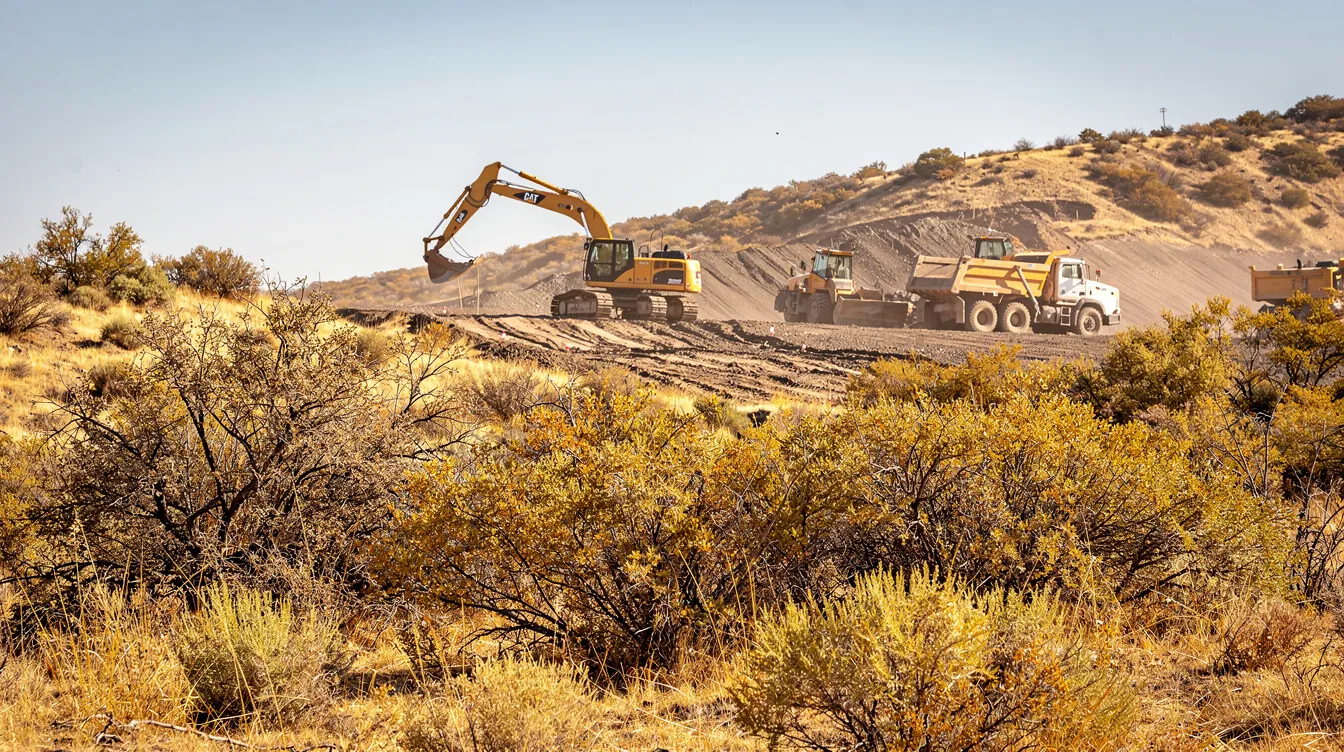
Summer heat accelerates mechanical wear. Hydraulic fluid breaks down faster, cooling systems work overtime, tires expand under high pavement temperatures, and electrical insulation degrades. Breakdowns in extreme heat don’t just stall projects – overheated equipment can ignite fires.
Equipment failures during high temperatures lead to unplanned downtime, costly repairs, and safety incidents. An overheated hydraulic line or a blown tire on a loaded haul truck puts every worker nearby at risk. These failures often occur when pre-use checks are skipped.
Heavy equipment operators, crane crews, and any team running tools and machines through sustained ambient temperatures above 95°F. Enclosed operator cabs without functioning AC increase heat exposure and operator fatigue.