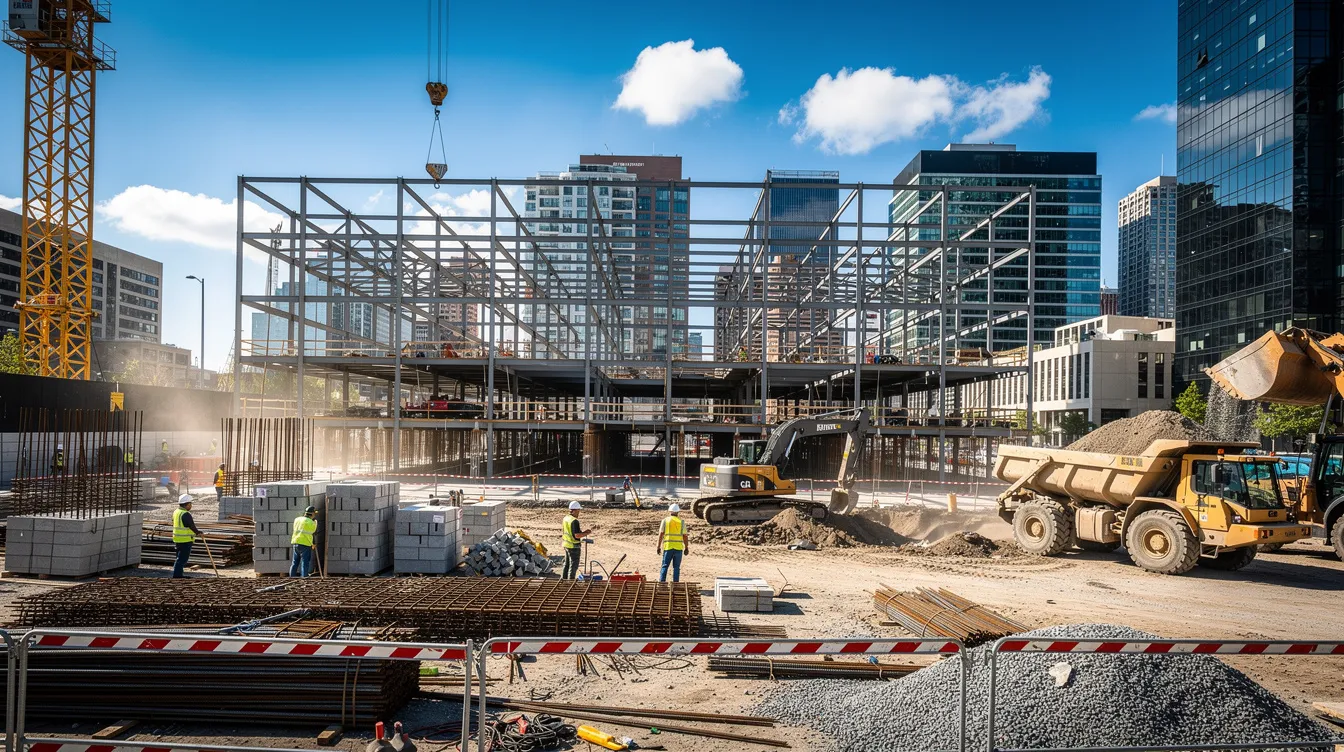
Review active bids, open quotes, and procurement assumptions before your next submittal.
Construction cost escalation is a practical bidding problem before it is an economic talking point. For contractors, it means the labor, equipment, fuel, and material assumptions behind an estimate may no longer hold by the time a job is awarded, bought out, or mobilized.
That risk became harder to ignore after ABC National reported on October 15, 2026, that U.S. construction input prices increased 2.2% in September and 11.2% over the prior 12 months, based on newly released Bureau of Labor Statistics Producer Price Index data. Those are national figures, but they matter directly to contractors bidding work in Los Angeles, Orange County, the Inland Empire, Ventura County, Anaheim, and San Fernando because they affect the same fuel-sensitive supply chains, vendor pricing conversations, and subcontractor assumptions used in Southern California estimating.
The key point is not that every trade moved by the same amount. A sharp national input-price jump can quickly weaken estimates built on older quotes or broad assumptions. That makes construction cost escalation an immediate estimating and contract-management issue for Southern California commercial contractors heading into late 2026 and early 2027 work.
The September data is most useful when treated as a warning signal. If your team priced a project weeks or months ago and hasn’t refreshed supplier and subcontractor inputs, your margin may already be exposed.
ABC National specifically pointed to several energy-related moves in September:
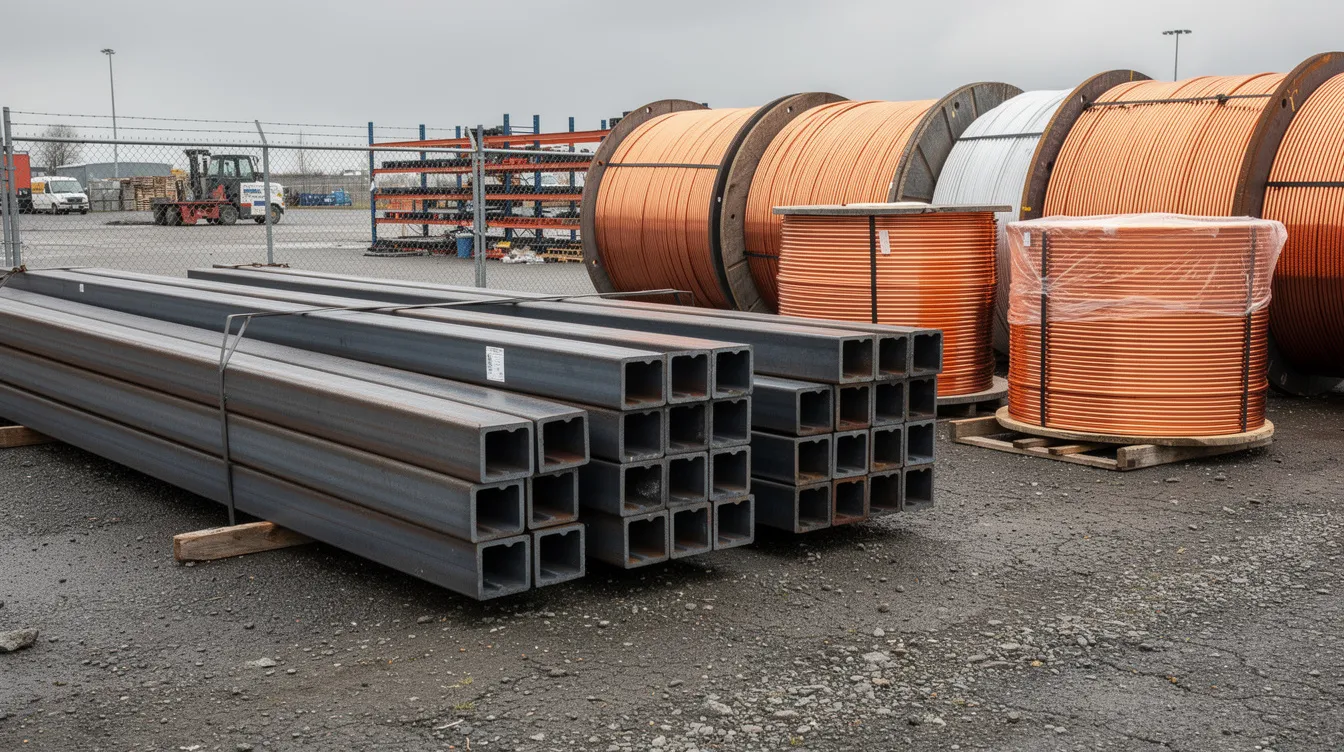
Those categories matter because energy volatility ripples through freight, trucking, manufacturing, delivery charges, and equipment operating costs. Even when a contractor is not buying petroleum directly, fuel-linked movement can still affect delivered prices for roofing, paving products, fabricated components, and other materials that depend on transportation and energy-intensive production.
For Southern California contractors, where distribution networks, port activity, and regional trucking remain part of everyday procurement, this is a practical reason to recheck assumptions instead of carrying forward spring or summer pricing into new Q4 bids.
Escalation does not hit every job in the same place. On some projects, the first sign is supplier repricing. On others, it shows up in freight surcharges, equipment costs, delayed buyout decisions, or subcontractor exclusions tied to volatile materials.
Common pressure points include:
This is why flat assumptions can become risky in volatile periods. A contractor may not need a full economic model, but they do need a process for identifying which scopes are most likely to move between estimate date and purchase order date.
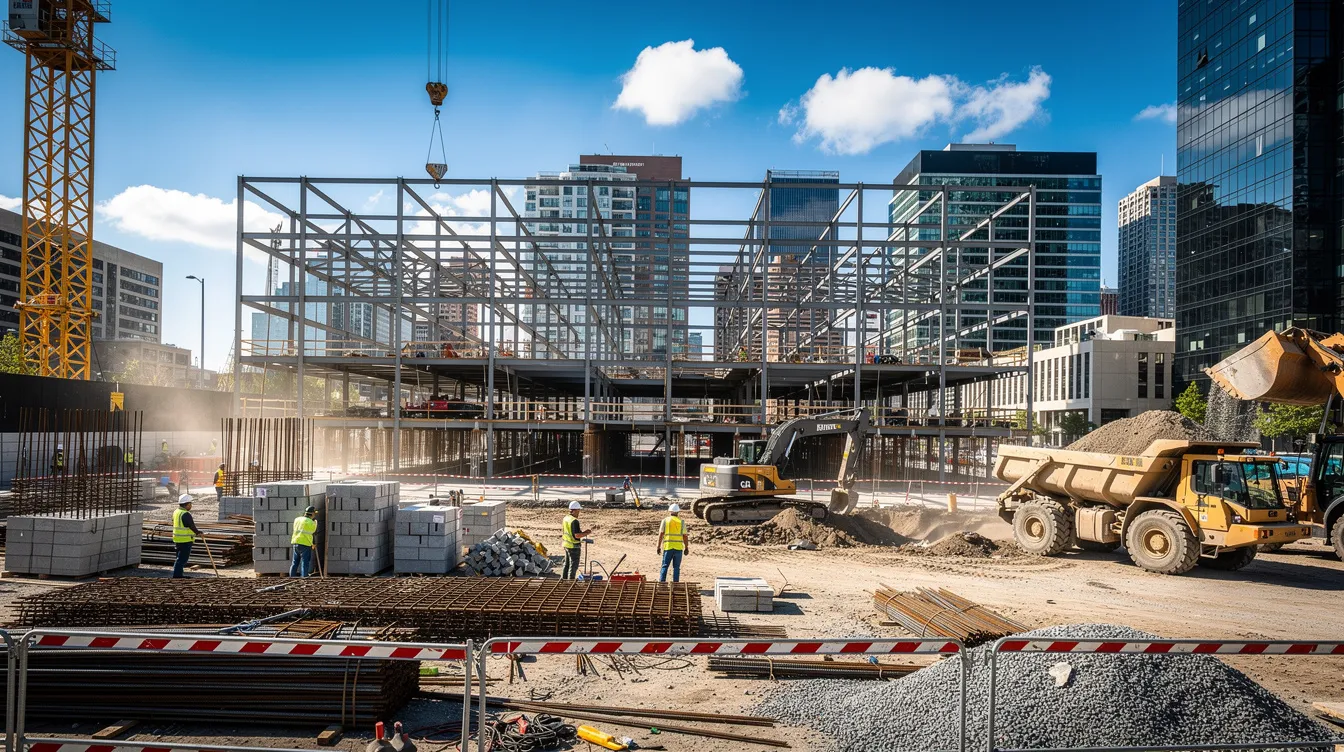
The strongest response to construction cost escalation is usually procedural, not rhetorical. Contractors do not control national input-price data, but they do control how quickly they refresh estimates and how clearly they document risk.
Consider these immediate steps:
In other words, the decision is often not just whether to bid, but whether to bid with refreshed inputs, revised qualifications, or different timing assumptions.
When input prices move quickly, quote language and contract language matter more. Contractors should review whether their current templates still reflect today’s risk level, not a more stable pricing environment.
Helpful escalation planning often includes:
On public work, flexibility may be narrower than on private projects, so contractors should review the actual bid documents and contract form carefully. When project risk is significant, coordinate changes to escalation language with qualified legal counsel.
For California public-works contractors, higher input prices do not replace existing labor obligations. They stack on top of them.
That matters because public-works pricing has less room to absorb mistakes. Prevailing wage requirements still apply, and apprenticeship obligations still need to be managed correctly. Contractors cannot assume that material volatility creates flexibility elsewhere in the budget.
California apprenticeship rules are especially important on covered public work. The Division of Apprenticeship Standards explains that contractors not approved to train apprentices must send a DAS 140 notice, and contractors requesting apprentices use the DAS 142 process. Those steps need to be built into the project workflow, not handled as an afterthought.
ABC SoCal’s labor-compliance resources can help employers understand apprenticeship wage-rate and contribution requirements. Its Notice of Understanding guidance states that an approved subscribing employer using apprentices on California state public works must pay apprenticeship training contributions at the higher of the DIR-published rate or the program standard where applicable. That budgeting discipline matters even more when materials are already pressuring margins.
Contractors should always confirm project-specific requirements with DIR and qualified advisors because coverage, timing, and documentation can vary by project and funding structure.
Before your next major bid or proposal update, work through a short escalation check:
This short internal review will not eliminate escalation risk, but it can reduce the odds that your company wins work based on assumptions it can’t support a few weeks later.
ABC SoCal serves contractors across Southern California that need both market awareness and operational support. In a period of sharper construction cost escalation, that support is most useful when it helps members tighten execution rather than simply react to headlines.
ABC SoCal’s apprenticeship program includes training in Electrical, Plumbing, Low Voltage, Sheet Metal, and HVAC. The chapter also provides labor-compliance resources to help contractors budget and administer apprenticeship obligations on covered public-works projects with more confidence.
For broader business-risk planning, contractors can also review ABC SoCal’s California mechanics lien guide as a general educational resource on protecting payment rights when project pressure leads to disputes. The article is not a substitute for project-specific legal advice, but it can be a useful companion resource when tighter margins increase the cost of delayed payment.
If your team is updating estimating assumptions, reviewing public-works exposure, or strengthening workforce planning for upcoming bids, ABC SoCal can support that discussion through training, education, and chapter resources.
Below are answers to common questions about this topic.
For highly exposed scopes, many contractors will want to check pricing much more frequently than they would in a stable period. The right cadence depends on the material, the supplier, and the project size, but the key is to match your review cycle to the scope’s volatility instead of relying on older assumptions by default.
No. Private work, negotiated work, and public work often allow different levels of flexibility. Escalation language should fit the contract form, owner expectations, and the specific materials or inputs creating the risk.
Because rising input costs do not reduce prevailing wage, apprenticeship, or reporting obligations. On covered California public works, those requirements remain part of the total project-cost picture and should be budgeted alongside material risk.
It does not remove short-term material volatility, but workforce development can support longer-term labor planning and operational stability. ABC SoCal’s apprenticeship pathways in Electrical, Plumbing, Low Voltage, Sheet Metal, and HVAC are one way contractors can invest in more predictable talent pipelines over time.
Pull your active bids and open quotes, identify the scopes most exposed to fuel and supplier volatility, and decide which ones need immediate repricing, updated qualifications, or an early procurement plan before the next proposal leaves your office.