

This guide is for construction safety managers, supervisors, and company leaders in Southern California seeking to integrate mental health into their safety programs. Addressing mental health in construction safety is urgent and highly relevant for this audience because the construction industry faces a mental health crisis that directly impacts job site safety, productivity, and worker well-being. With construction workers experiencing some of the highest rates of mental health issues and suicide among all industries, and with 83% of workers reporting mental health struggles at some point in their career, it is critical for those responsible for safety to treat mental health as a core safety concern—not just an HR or wellness issue. By embedding mental health into safety systems, Southern California construction leaders can reduce accidents, improve retention, and foster a culture where workers feel supported and empowered to speak up about risks.
CDC data places construction among the industries with the highest suicide rates. In Southern California, this translates to real risk on crews working from downtown Los Angeles high-rises to Riverside warehouse buildouts.
Mental health issues are closely tied to safety risks—workers struggling with depression and anxiety can experience moments of distraction that result in accidents, especially in high-hazard construction environments. Mental strain is a leading factor in safety compromises, increasing the likelihood of accidents and serious injuries in construction. High stress and fatigue impair judgment, increasing the likelihood of errors in specialized tasks and when using safety equipment. Chronic pain from workplace injuries can further exacerbate these risks and is often linked to increased substance abuse among workers.
On busy SoCal jobs, these impairments show up as:
Chris Hopper’s May 2026 Construction Executive framing positions mental strain as a job hazard—like heat, silica, or traffic—rather than a personal weakness. This shift aligns with Cal/OSHA’s broader view of workplace risk. Addressing workplace mental health is essential to destigmatize mental health, encourage recognition of warning signs, and foster a supportive environment where workers feel empowered to seek help.
ABC Southern California has already taken steps through its mental health and suicide prevention initiatives, use of the Zurel Safety Community to share safety content, and integration of mental health topics into the Safety Academy and STEP coaching. The task now is to extend these efforts to member firms’ daily safety operations.
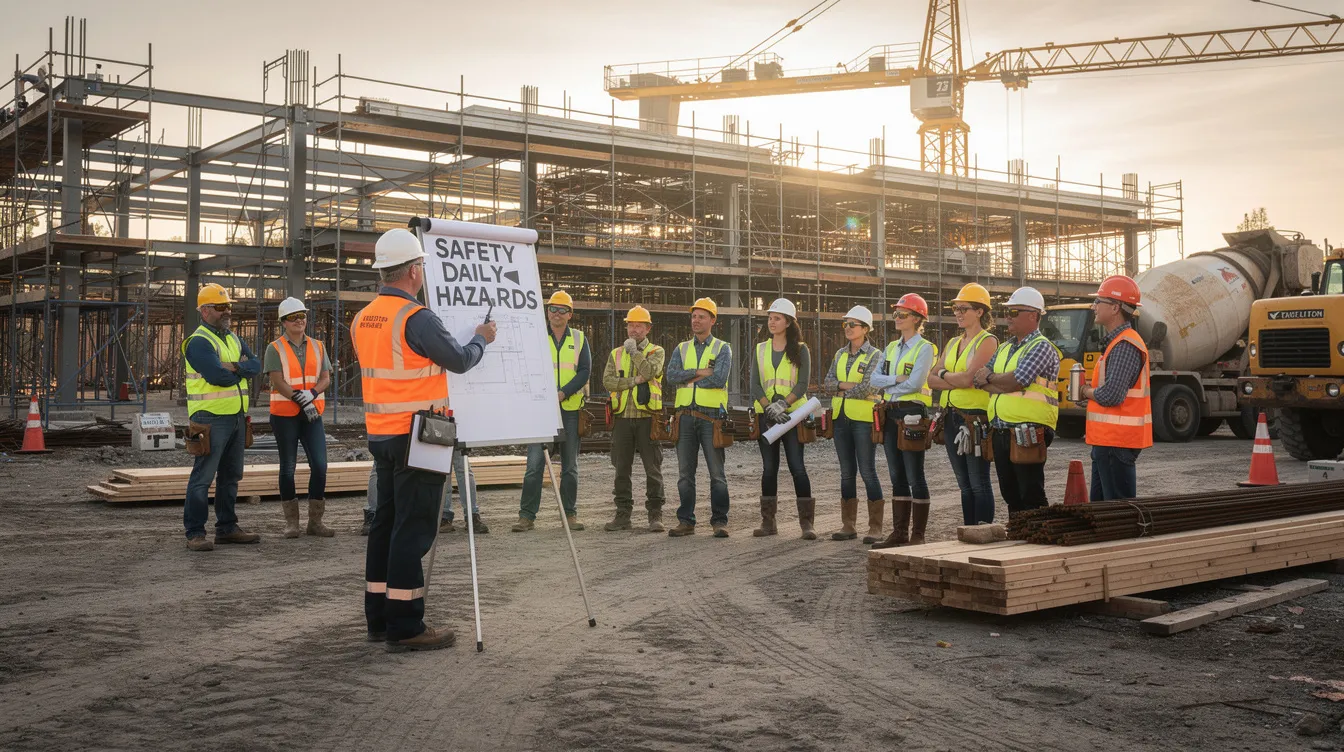
What makes mental health challenges especially acute in Southern California construction? The region combines:
California’s regulatory and labor environment adds additional load:
Factors contributing to higher suicide rates in the construction industry include:
Roughly 78% of construction workers cite shame and stigma as the primary reasons for not seeking help for mental health issues.
Company leaders play a key role in fostering a respectful workplace culture by promoting openness, supporting mental health initiatives, and reducing stigma. Organizations such as the Construction Industry Alliance and the suicide prevention task force provide resources, guidance, and awareness campaigns to help address mental health and suicide prevention within the construction sector.
Subcontractors, merit shop contractors, and small firms face thin margins and labor shortages across the five-county region, driving overtime, weekend work, and fatigue that jeopardize both worker mental health and physical safety. Southern California has been a national leader in construction mental health and suicide prevention—including 988 promotion and Mental Health First Aid adoption—yet many ABC SoCal member companies still silo mental health under HR.
Integrating mental health into safety protocols lets ABC SoCal members improve lagging indicators (TRIR, DART, near-miss trends) without standing up separate “wellness” programs that field leaders see as extras.
Recasting mental health challenges as recognizable hazards—similar to fall exposure or trench collapse—starts in company safety manuals and project-specific safety plans.
The culture shift is essential: leaders communicate that asking for a pause due to overwhelming stress or distraction is treated like calling out an unsafe scaffold—acknowledged as a professional safety action, not a personal failing. Integrating mental health into safety programs reduces accidents by ensuring workers are present, focused, and not distracted by burnout or untreated distress. These efforts are also critical to combat high suicide rates in the construction industry by promoting early intervention and support.
Most ABC Southern California members already use JHAs or pre-task plans. The recommendation is to insert mental strain prompts into those existing forms—not to create a separate mental health checklist.
For a critical lift, concrete placement, or shutdown tie-in, crews briefly assess mental load—recent schedule changes, night work, overtime streaks, or crew changes that might affect attention and communication.
Add a simple “Mental/Workload Check” line to JHAs:
| Prompt | Action if Flagged |
|---|---|
| “Any team members overly fatigued, distracted by off-the-job events, or dealing with new procedures today?” | Add spotter, shorten task duration, break into smaller steps, or reassign |
Foremen in Los Angeles or Riverside County can document quick adjustments when mental strain is flagged, keeping the focus on task safety rather than personal diagnosis. Use the Zurel Safety Community to share sample JHAs that incorporate mental health prompts, and distribute resources related to mental health and safety. This supports a resilient workforce by ensuring all team members have access to tools and information that promote well-being and productivity, allowing smaller subcontractors to quickly adopt templates aligned with ABC SoCal’s Safety Academy and STEP best practices.
The most effective mental health awareness efforts are brief, consistent touches inside existing safety routines: toolbox talks, pre-task meetings, daily huddles, and field observations. These practices help destigmatize mental health, support mental well-being, and improve mental health for workers by making conversations about mental health a regular part of the workday.
Organizations in the construction industry recognize the value of making mental health more visible—94% of survey respondents acknowledge the importance of sharing mental health resources with workers to raise awareness and encourage help-seeking behavior.
These monthly themes not only address common stressors but also promote mental well-being and improve mental health by encouraging ongoing awareness and support.
Use Cal/OSHA-friendly language, focusing on performance factors like attention, reaction time, decision fatigue, and communication clarity rather than clinical terms.

Field supervisors, foremen, general foremen, and project engineers are the early warning system. They do not need to be clinicians, but they must recognize when behavior suggests mental health challenges or substance misuse that could affect workplace safety.
Supervisor training should include substance misuse as a key topic, helping supervisors recognize warning signs related to both mental health and substance misuse.
The culture in the construction industry often encourages workers to appear strong, preventing them from discussing mental health or seeking help. Construction companies can implement mental health awareness campaigns and provide training to help employees recognize signs of mental distress in themselves and others.
A 60-90 minute training module covers:
Training focuses on response, not diagnosis—supervisors listen, avoid judgmental language, reinforce that safety comes first, and route the person toward HR, employee assistance programs, or external resources while documenting any safety adjustments.
ABC Southern California supports this through Safety Academy workshops, Safety Captive member learning sessions, and curated content shared via the Zurel Safety Community.
Mental health support must be physically and digitally present wherever safety information is posted: orientation packets, gang boxes, job trailers, timekeeping apps, and the same boards that display OSHA logs and emergency procedures.
| Resource | Description |
|---|---|
| 988 Suicide & Crisis Lifeline | 24/7 phone and text support—free and confidential, including support for self harm |
| Crisis Text Line (741741) | Text-based crisis support for issues like depression, anxiety, and self harm |
| ACI Mental Health and Wellness | Industry-specific materials and toolbox talks |
| AFSP Hard Hat Courage | Suicide prevention resources for construction |
| Strong Minds Safe Sites (Wellness Workdays) | Comprehensive construction mental health program |
| Skanska Mental Health First Aid | Example of “mental health first responder” training model |
| AGC Mental Health & Suicide Prevention Task Force | Resources, tools, and training for mental health and suicide prevention in construction |
Implementing Employee Assistance Programs (EAPs) and promoting confidential counseling services are essential for supporting workers’ mental health in construction. Every posting and toolbox mention should emphasize confidentiality and non-retaliation—using free tools like 988 does not affect employment status or safety incentives.
Integrate resource links into your Zurel Safety Community feeds, safety newsletters, and onboarding for apprentices in electrical, plumbing, sheet metal, and low-voltage programs, ensuring that new workers see mental health support as part of normal safety practice.
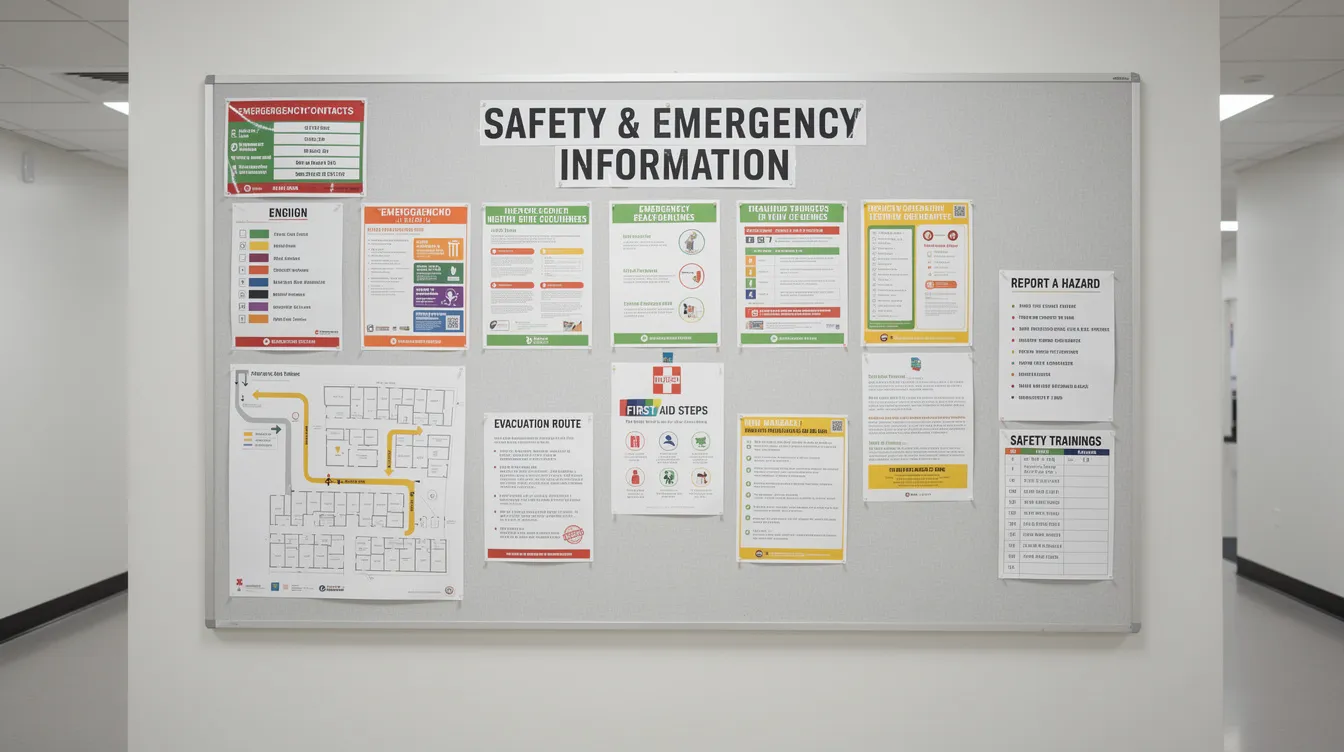
When workers can speak up about overload, confusion, or emotional strain, they are more likely to stop work for unclear plans, near-misses, and other hazards. Creating a caring organizational culture is essential for addressing mental health in construction, as it fosters a sense of connection and belonging among workers, which can lead to higher retention rates and better business outcomes.
Sample language for leaders:
Promoting a culture of care in construction includes integrating mental health into safety programs and encouraging open conversations on job sites. How supervisors respond in the moment—no ridicule, no instant loss of hours—determines whether crews will keep mental health problems underground or treat them like other safety issues that can be discussed and mitigated.
Bake “speak-up” expectations into safety observations, STEP action plans, and project startup meetings. The Safety Captive program and peer benchmarking can track and share positive examples of speak-up culture around both physical safety and mental risk.
Action 1: Add one mental health prompt to a toolbox talk this week
Sample script: “We’ve been pushing hard with the schedule this week. I want to check in—is anyone feeling stretched thin or having trouble focusing? If so, let me know. We can adjust the pace, add breaks, or rotate tasks. That’s not slacking—that’s working safe.”
Action 2: Schedule a one-hour supervisor briefing before the next project startup
Action 3: Post or update a mental health resource sheet next to existing safety and Cal/OSHA postings
Log these steps in your Zurel Safety Community or internal safety tracking so they become part of your documented Safety Academy and STEP progress. Implementing stress-reduction initiatives, such as flexible work schedules and wellness programs, can help alleviate pressures faced by construction workers and contribute to a healthier work-life balance.
ABC SoCal, as a merit shop trade association, is embedding mental health awareness into its core offerings—safety training, apprenticeship programs, and member services—rather than treating it as a side program. Creating a caring organizational culture is crucial for reducing stigma around mental health in construction, as it encourages open communication and helps workers feel safe discussing their mental health concerns.
Organizations in the construction industry increasingly recognize that leadership engagement is essential for breaking down barriers to addressing mental health and worker well being. In fact, 93% of construction industry leaders agree that addressing mental health at work is a sound business practice, while 77% of Presidents, CEOs, and Owners recognize addressing mental health as a priority.
Safety Academy courses now routinely address stress, fatigue, and communication overload as safety factors. ABC SoCal’s partnership with the Zurel Safety Community allows members to share mental health toolbox talks, resource links, and near-miss learnings without reinventing content for each company. STEP participants and Safety Captive members can leverage their data to track how changes in scheduling, training, and resource visibility affect safety performance.
Investing in mental health support can lead to significant improvements in business outcomes, including reduced absenteeism and enhanced productivity, as mentally healthy employees are more focused and make better decisions.
Contractors, safety directors, project managers, HR leaders, and labor compliance officers across the five-county footprint can engage with ABC SoCal for templates, training modules, and peer examples tailored to projects across Orange, Riverside, San Bernardino, Los Angeles, and Ventura Counties.
Small firms can start by adding one mental health question to existing toolbox talks, updating a single JHA template with a mental strain line, and posting a simple one-page resource sheet—all of which require minutes rather than new personnel. ABC SoCal provides sample language, templates, and links so owners and working foremen do not have to design programs from scratch. About 15% of construction workers struggle with substance use disorders, nearly double the general adult population, making even basic awareness steps valuable.
Integrating mental health into safety systems generally aligns with Cal/OSHA’s expectation that employers address known hazards affecting occupational safety. Focusing on performance factors (fatigue, distraction, communication) avoids making medical judgments. Consult your legal and risk advisors or Safety Captive partners, but recognize that ignoring mental strain as a safety factor can also carry risk when incidents occur.
Supervisors are not being asked to diagnose or treat mental health disorders. Their role is to notice behavior that affects safety, start a respectful conversation, adjust work when needed, and connect workers with appropriate professional help. Brief, practical mental health training modules—delivered through ABC SoCal workshops or in-house safety meetings—use scenarios and scripts rather than clinical content, building confidence without turning supervisors into counselors.
Track leading indicators: near-miss reporting rates, hazard observations that mention fatigue or stress, participation in toolbox talks, and worker feedback from quick pulse surveys. Measure alongside traditional lagging indicators like TRIR and DART. Measuring the impact of mental health issues in the construction industry includes assessing reduced productivity and higher rates of absenteeism—both improvements suggest progress. STEP and Safety Captive members can compare trends over time and across peer firms.
Yes. No-cost suicide prevention resources include 988 Suicide & Crisis Lifeline, Crisis Text Line, ACI Mental Health and Wellness online materials, and AFSP Hard Hat Courage resources. Publicly available toolbox talks from national construction mental health initiatives and helpful resources from the National Institute of Mental Health and the Centers for Disease Control and Prevention are also accessible. Combine these free tools with ABC SoCal’s chapter materials and existing safety communication channels to create a visible, accessible support system on every job site.







