
June is National Safety Month, established in 1996, and 2026 marks the 30th anniversary of this National Safety Council annual observance. This guide is designed for merit shop contractors, safety managers, and construction professionals in Southern California. Organizations celebrate National Safety Month by promoting safety at work, on the road, and at home. For ABC Southern California contractors, it is a timely framework for preventing injuries, saving lives, and keeping workers safe year-round.
Organizations celebrate National Safety Month by promoting safety at work, on the road, and at home. The 2026 themes align directly with Southern California construction risk: congested freeways, summer heat, active work zones, ladders, scaffolds, and changing job site conditions.
Week 2 highlights Staying Safe on the Roads and addresses motor vehicle crashes. National Safety Month promotes defensive driving and pedestrian safety awareness. Week 4 targets Preventing Slips, Trips, and Falls in various environments.
OSHA, NSC, and NIOSH research show that roadway crashes and falls deserve extra attention. In 2022, preventable work deaths totaled 4,695 in the U.S.; in 2023, there were 223,000 preventable workplace injury-related deaths, and some safety summaries also cite 223,000 preventable workplace deaths. For contractors, the importance is practical: fewer accidents, stronger bids, lower risk, and people safer.
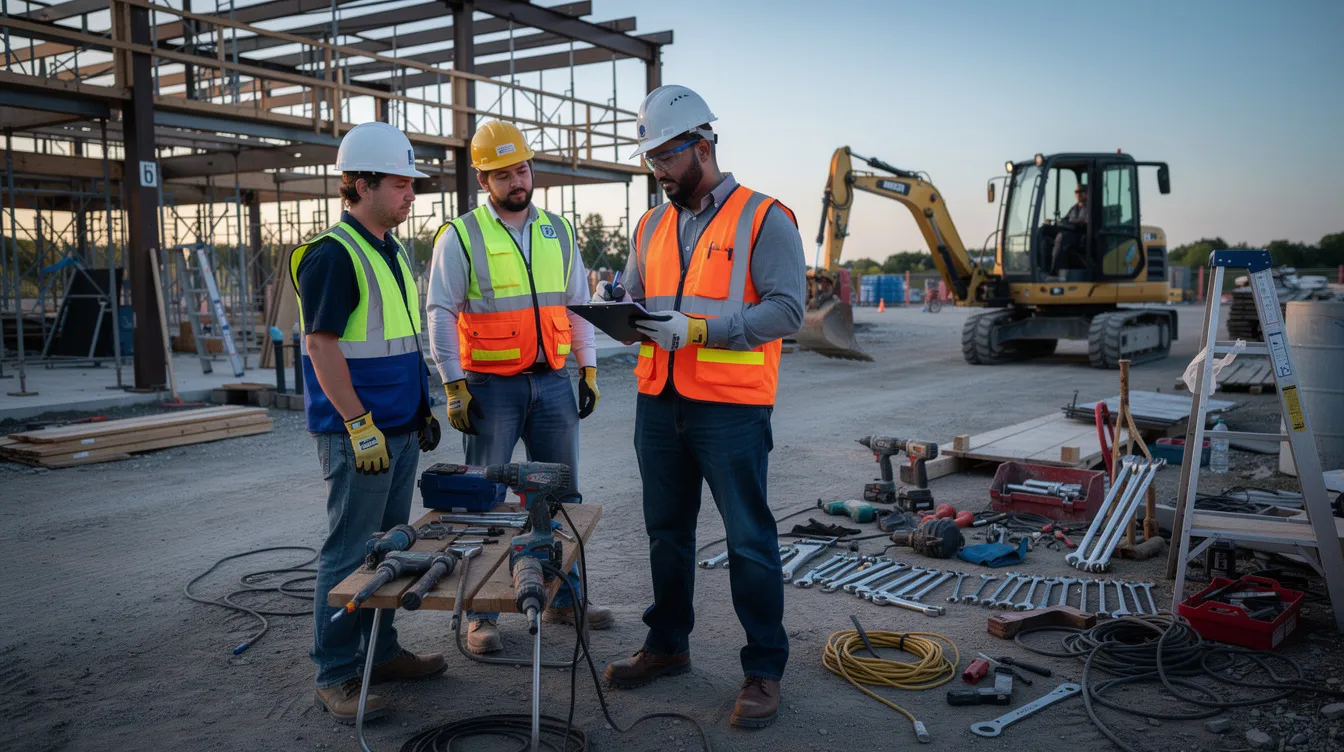
Moving safety forward means planning, doing, checking, and acting. Set two or three measurable June goals: four toolbox talks, 100% driver briefings, a fall protection audit on every active project, or documented first aid and CPR refreshers.
Safety Stand-Downs involve brief meetings to discuss specific hazards. Safety audits identify physical hazards before they lead to incidents. Document attendance, photos, corrective actions, and training hours. Communication is key to safety engagement at all organizational levels, and effective safety programs improve productivity and employee morale.
Week 1 focuses on Moving Safety Forward and promoting proactive safety cultures. Prior NSC campaign language also framed Week 1 as Continuous Improvement from June 1–7, and that idea still fits: improve before someone gets hurt.
Hold a 15–30 minute stand-down. Review near misses, stop-work authority, and reporting without blame. Use pre-task planning or JHAs for roofing, trenching, hot work, electrical tasks, and steel erection.
Toolbox talk tips:
Recognizing safe practices and incentivizing participation are effective strategies for enhancing safety. Owners should visit at least one project, listen to workers, and green-tag corrected equipment.
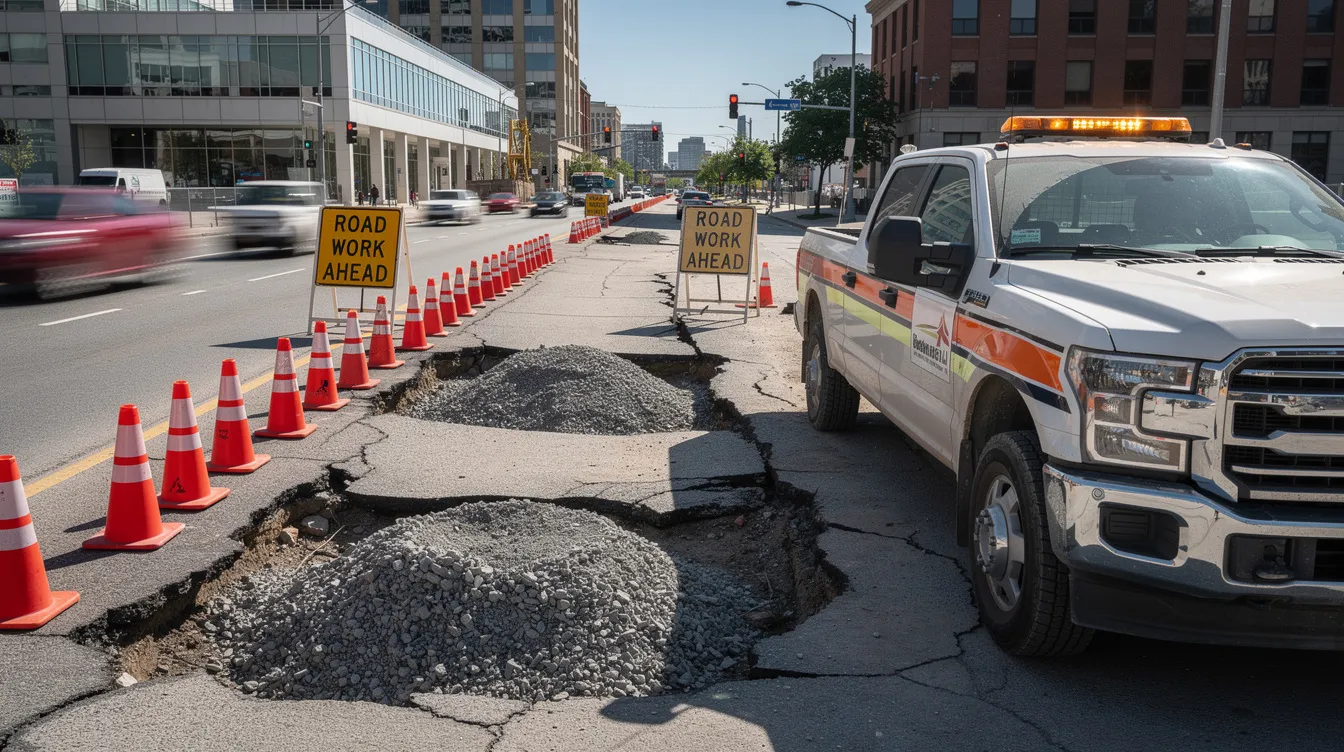
Southern California crews face I-5, I-10, I-405, SR-91, night work, deliveries, and service calls. Roadway safety covers employees driving, workers near traffic, and the public.
In 2023, 44,450 people died in motor vehicle crashes, underscoring that roadway safety is vital for protecting drivers and the public. Drowsy driving contributes to about 10% of motor vehicle crashes. Forty-four percent of fatalities at road construction sites are struck-by incidents, and 1,462 fatal occupational injuries occurred at road construction sites from 2011 to 2022. Put another way, 44% of occupational fatalities at road construction sites are struck-by incidents.
Review safe driving practices:
Check every vehicle for:
Defensive driving, pedestrian awareness, and work-zone setup should be treated like fall protection.
ABC SoCal can help connect members with flagger training, defensive driving, and roadway safety resources.
Week 3 promotes Holistic Worker Health and focuses on total worker wellbeing. Safety is not only PPE; it includes mental health, fatigue, hydration, heat, stress, and the body.
June heat raises safety and health risks. Provide shade, water, cool-down breaks, and schedule heavy work earlier. Emergency Preparedness Training promotes first-aid courses and CPR certification. Use English and Spanish handouts on heat illness, emotional distress, and how employees can request confidential aid.
Week 2 previously emphasized Employee Engagement from June 8–14, and Week 4 was dedicated to Well-being from June 22–30 in older campaign structures; in 2026, well-being is centered in Week 3. ASSP’s Safety 2026 conference in Anaheim, June 15–17, gives Southern California leaders access to leading safety and health research and practical practices.
Preventing slips, trips, and falls is essential because falls remain the leading cause of death for construction workers. Construction workers account for nearly 49% of fatal falls. In 2022, falls from elevation caused 81% of fatal slips, trips, and falls. Slips, trips, and falls account for 20% of nonfatal injuries.
Falls are also the leading cause of injury-related death for adults 65+, and one in three older adults falls each year, reinforcing that fall prevention matters at work and at home.
Audit the following:
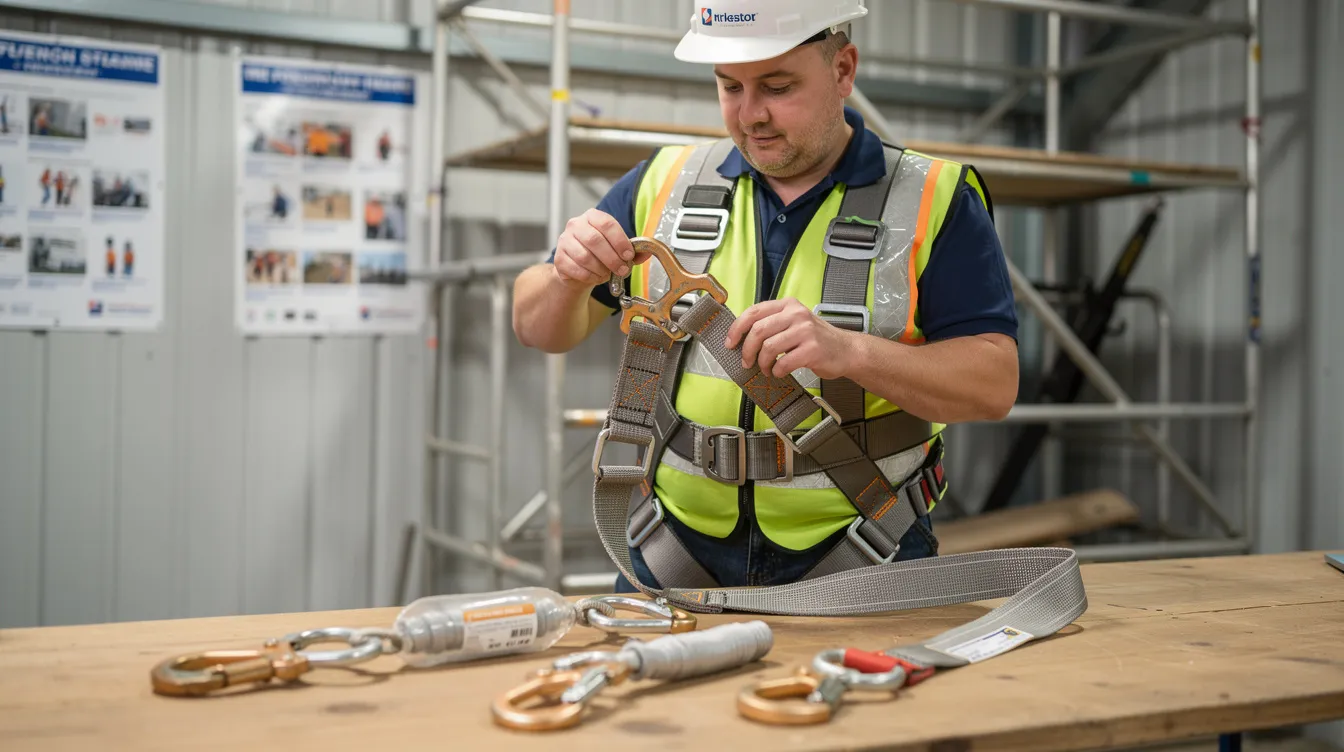
Demonstrate ladder angles, harness fit, anchor selection, and rescue steps with real equipment. Providing slip-resistant shoes reduced claims by 67% in food service, a reminder that footwear and walking surfaces matter.
In early July, debrief with owners, project managers, foremen, and safety leaders. Ask what activities worked, what safety issues surfaced, and what hazards were corrected.
Update JHA forms, fleet rules, heat plans, disciplinary procedures, and fall checklists. Track leading indicators such as inspections, training hours, hazards corrected, and safety topic completion, as well as lagging indicators such as injuries, claims, and lost time. Use a different safety topic each month to maintain awareness.
Common activities for National Safety Month include safety drills and educational initiatives. Community Safety Fairs offer events for car seat checks and emergency services demonstrations. Engaging in community safety initiatives can promote awareness and advocacy, increase awareness, and increase public awareness beyond the workplace.
ABC SoCal helps merit shop contractors build safety programs that protect workers and strengthen business performance. Our support includes apprenticeship programs, OSHA 10/30, task-specific training for electrical, plumbing, sheet metal, and low-voltage trades, continuing education, Cal/OSHA documentation guidance, and member networking.
We encourage contractors and NSC members to register for free resources from the National Safety Council, review OSHA fall-prevention tools, schedule stand-downs, and contact ABC SoCal to discuss training, membership, and year-round safety engagement.
Hold one brief toolbox talk per week, inspect vehicles and ladders, review heat plans, and document who attended. Small teams can still prevent injuries with simple tools.
Yes. National Safety Month is not a regulation, but fall audits, heat planning, roadway safety training, and written records can support compliance and show a good-faith effort.
Focus on drivers, ladders, roof access, housekeeping in tight spaces, lone-worker communication, and mental fatigue. Tailor every safety topic to real work.
Build a 12-month calendar, repeat monthly stand-downs, review leading indicators, and use ABC SoCal training throughout the year.
Yes. Office employees face slips, ergonomics, safe driving, stress, and emergency planning. A strong safety culture includes the whole team.







