

The construction industry has seen a positive trend in recent years with decreased reported injuries and illnesses among workers. According to the U.S. Bureau of Labor Statistics, the incident rate of nonfatal injuries and illnesses in the construction industry was lower in 2020 compared to previous years. While this decline is certainly a positive development, it is essential to remember that worker safety should never be overshadowed or neglected.
The decreasing incidence of injuries and illnesses in the construction industry is a testament to the industry’s commitment to improving safety standards and implementing effective safety protocols. Through adopting safety programs, proper training, and enhanced hazard identification and mitigation measures, construction companies have made significant strides in ensuring the well-being of their workers.
Despite the positive trend of decreasing injuries and illnesses, it is crucial to maintain a persistent focus on safety in the construction industry. By consistently prioritizing safety, companies can create a culture of accountability and responsibility that ensures worker well-being is at the forefront of every decision and action. An unwavering commitment to safety is the key to not only sustaining the current decrease in incident rates but also continuously improving and striving for even better safety outcomes.
While the decreasing incidence of injuries is encouraging, it is important to guard against complacency. Complacency can undermine the progress made in improving worker safety and increase the likelihood of accidents and injuries. Continuous evaluation, monitoring, and improvement of safety protocols are essential to prevent complacency from creeping into the workplace. By maintaining a proactive and vigilant approach, construction companies can ensure that safety remains a top priority and that potential risks and hazards are swiftly identified and addressed.
The construction industry is currently facing a labor shortage, which poses significant challenges for construction companies. To meet project demands, companies may resort to hiring inexperienced workers who may not have the necessary skills and knowledge to work safely in the construction environment. This shortage of skilled labor increases the risks associated with workplace accidents and injuries.
The labor shortage in the construction industry is a result of various factors, including an aging workforce, lack of interest among younger generations, and limited availability of vocational training programs. As experienced workers retire, there is a growing gap in the number of skilled workers available to fill their positions. This shortage puts increased pressure on construction companies to find suitable replacements quickly, often resulting in the recruitment of workers with little to no experience in the industry.
Keeping your workforce safe reduces accidents, eliminates OSHA fines, and reduces your workers’ compensation costs, making your business more productive.
Learn MoreHiring inexperienced workers without proper training and experience in the construction industry poses significant risks to their safety as well as the overall well-being of the workforce. These workers may not be aware of the potential hazards and risks associated with construction work, making them more vulnerable to accidents and injuries. Inexperienced workers may not possess the necessary skills to handle tools and equipment safely or understand the importance of following safety protocols.
While hiring inexperienced workers may be necessary to address the labor shortage, construction companies must prioritize their safety and take proactive steps to mitigate the associated risks. One effective strategy is to implement a comprehensive training program that equips new hires with the knowledge and skills required to work safely in the construction industry. Providing mentorship and supervision by experienced workers can also help in guiding and supporting inexperienced workers as they navigate their new roles.
Insurers anticipate an increase in the number of injuries in the construction industry due to the hiring of inexperienced workers. These workers lack the necessary experience and familiarity with safety practices, so they are more susceptible to accidents and injuries. This projected increase in injuries among new hires underscores the importance of prioritizing comprehensive safety programs and proper training.
With their expertise and analysis of industry trends, insurers are alert to the potential risks associated with hiring inexperienced workers. Based on their assessments, they expect an upward trend in the number of injuries and accidents due to the influx of less-experienced workers into the construction workforce. This projection emphasizes the need for construction companies to proactively address safety concerns and ensure that workers are adequately trained and equipped to perform their tasks safely.

The correlation between inexperienced workers and accidents in the construction industry is a well-documented phenomenon. Studies have consistently shown that workers with limited experience in construction are more likely to be involved in accidents and suffer injuries. The lack of familiarity with safety protocols, hazard recognition, and proper use of equipment significantly increases the likelihood of workplace incidents. This correlation further emphasizes the necessity of robust safety programs and training initiatives to mitigate the risks associated with inexperienced workers.
The anticipated increase in injuries due to the hiring of inexperienced workers can have significant impacts on the construction industry as a whole. Apart from the immediate consequences such as medical expenses and workers’ compensation claims, the industry may also face reputational damage, increased insurance premiums, and potential legal liabilities. Additionally, a higher rate of injuries can disrupt project timelines and lead to delays that adversely affect client satisfaction and profitability. These potential impacts highlight the need for proactive measures to address safety concerns and mitigate the risks associated with inexperienced workers.
Safety programs and proper training are crucial in reducing injuries in the construction industry. By implementing comprehensive safety programs, construction companies can establish guidelines and protocols that promote a safe work environment. These programs ensure that workers are aware of potential hazards, equipped with the necessary knowledge and skills to address them, and empowered to take proactive measures to prevent accidents and injuries.
Safety programs address various aspects of workplace safety, including hazard identification and assessment, training, communication, and ongoing evaluation. By providing workers with clear guidelines, safety protocols, and access to necessary personal protective equipment, these programs enable construction companies to create a safety culture and minimize the risks associated with on-site work. Regular safety meetings, toolbox talks, and audits ensure that safety remains a constant focus and that potential issues are promptly addressed.

Proper training is a fundamental component of any construction company’s safety program. Training should cover a wide range of topics, including hazard recognition, safe work practices, proper use of tools and equipment, emergency response procedures, and the importance of communication and teamwork. Training should be tailored to the workforce’s specific needs and conducted regularly to ensure that workers are kept up to date with the latest safety standards and regulations.
Implementing safety programs and ongoing training initiatives has long-term positive impacts on the construction industry. By investing in the safety and well-being of their workers, construction companies can significantly reduce the incidence of injuries, improve worker morale and job satisfaction, and enhance overall productivity. Moreover, a robust safety program can contribute to a positive reputation, increasing client confidence and market competitiveness.
The link between worker safety and project deadlines in the construction industry cannot be underestimated. Safety is crucial in ensuring that projects are completed within the allotted timeframe and that potential delays due to accidents and injuries are minimized.
Project timelines can be significantly affected when accidents or injuries occur on a construction site. The time required to address a workplace incident, conduct investigations, and implement corrective measures can result in costly delays. By prioritizing safety and adopting preventive measures, construction companies can reduce the likelihood of accidents, minimizing project timelines disruptions and ensuring that work progresses efficiently.
ABC SoCal lays the groundwork for California contractors and equips them with the best resources and tools for success.
Join NowDays away from work due to injuries can substantially impact project timelines. When workers are injured and unable to work, their absence can lead to delays in completing key tasks and meeting project milestones. By fostering a safe work environment and implementing effective safety programs, construction companies can minimize the occurrence of injuries and reduce the number of days away from work. This, in turn, helps maintain project schedules and ensures timely completion.
A commitment to safety conformity in the construction industry goes hand in hand with project efficiency. When workers adhere to safety protocols and best practices, they are less likely to encounter accidents or injuries, allowing them to remain focused on their assigned tasks. By minimizing potential roadblocks caused by safety incidents, construction projects can progress smoothly, resulting in improved efficiency, productivity, and client satisfaction.
Construction work is inherently hazardous, and various types of injuries can occur on construction sites. Understanding the most common injuries is essential for developing effective prevention strategies and ensuring the well-being of construction workers.
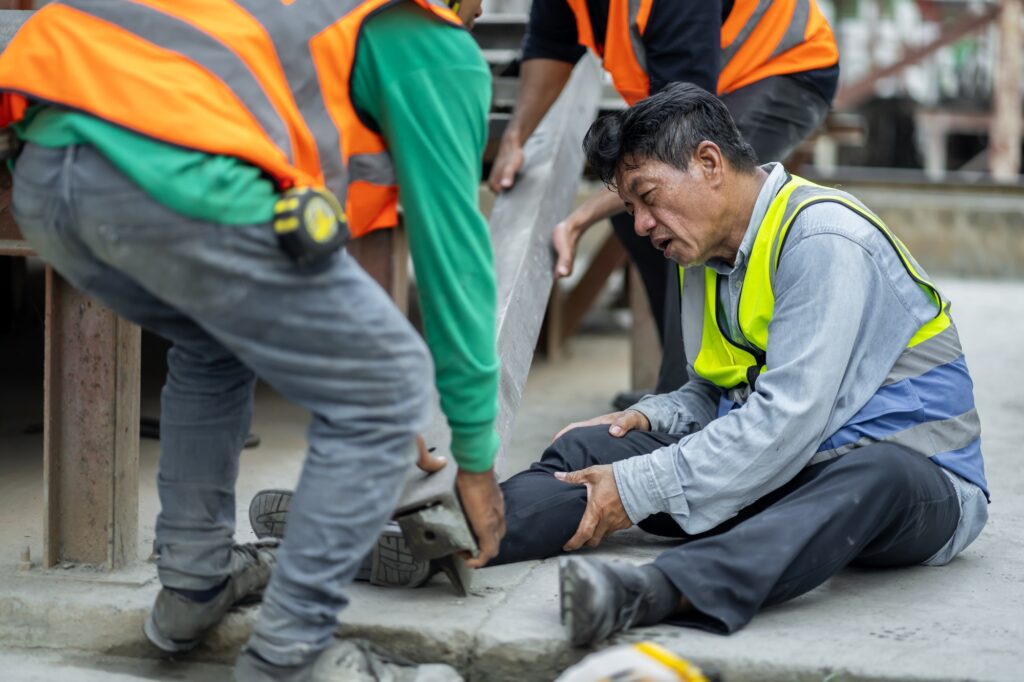
Injuries in the construction industry come at a significant cost, both to workers and the companies they work for. Workers may face medical expenses, loss of income during recovery, and potential long-term effects on their health and well-being. Companies, on the other hand, may incur costs related to worker’s compensation claims, increased insurance premiums, and potential legal liabilities. By prioritizing safety and implementing preventive measures, these costs can be significantly reduced or avoided altogether.
To address the most common injuries among construction workers, preventative measures should be in place. Effective safety programs should emphasize hazard recognition and provide workers with the necessary personal protective equipment. Training initiatives should focus on proper tool handling, safe work practices, fall prevention, and ergonomics. Additionally, regular safety inspections and audits can help identify potential risks and proactively address them before injuries occur.
Certain hazards pose significant risks to construction workers, and understanding these hazards is critical for implementing appropriate safety measures. Falls, electrocution, caught-in or between objects, and struck-by incidents are among the most lethal hazards in the construction industry.

Mitigating the four most lethal hazards in construction requires a combination of comprehensive safety programs, proper training, and adherence to industry regulations. Construction companies must prioritize the implementation of appropriate fall protection systems, equip workers with personal protective equipment, and provide regular training on hazard recognition and avoidance. Regular inspections, hazard assessments, and proactive communication among workers and management are also vital in identifying and mitigating potential risks.
Industry regulations and standards play a crucial role in abating the most lethal hazards in construction. Regulatory bodies such as the Occupational Safety and Health Administration (OSHA) establish guidelines and requirements that construction companies must follow to ensure worker safety. Compliance with these regulations, including proper use of personal protective equipment, fall protection systems, and training, is essential in reducing the occurrence and severity of accidents and injuries.
Proactively safe construction practices must be implemented to address risks and hazards in the construction industry effectively. Proactivity involves anticipating potential risks, identifying areas for improvement, and taking preventative measures to protect workers.
Safety programs and training play a significant role in promoting proactive, safe construction practices. By integrating safety into every construction process, companies can identify potential hazards, ensure compliance with industry regulations, and establish clear guidelines for workers to follow. Regular safety meetings, toolbox talks, and ongoing training initiatives ensure that workers remain current with the latest safety protocols and are equipped to address potential risks proactively.

Proactively addressing hazards in the construction industry offers a range of benefits. It helps create a safer work environment, reduces accidents and injuries, improves worker morale and productivity, and enhances overall project efficiency. Construction companies can significantly reduce the financial costs and reputational damage associated with workplace incidents by identifying and mitigating potential risks before they escalate.
Creating a workplace safety culture is vital for promoting proactive, safe construction practices. An effective safety culture starts at the top, with management actively demonstrating their commitment to safety and setting clear worker expectations. Regular safety communication, training, and feedback mechanisms should be established to ensure that workers are engaged and empowered to actively participate in maintaining a safe work environment. Recognizing and acknowledging safe behavior and achievements further reinforces the importance of safety and fosters a positive safety culture within the organization.
Working alone in the construction industry comes with unique risks and challenges. Planning for the safety of lone workers is essential to ensure their well-being and minimize potential hazards.
Working alone in the construction industry exposes workers to increased risks. Without immediate access to assistance or supervision alone, workers may delay receiving help during emergencies or accidents. The lack of a support system can also lead to heightened stress, fatigue, and decreased vigilance, increasing the chances of accidents and injuries.
Construction companies must implement essential planning strategies to address the dangers of working alone. This includes conducting thorough risk assessments to identify potential hazards and implementing appropriate control measures to mitigate those risks. Providing lone workers with adequate training, communication devices, and emergency response protocols is crucial for their safety and well-being. Additionally, regular check-ins, on-site supervision, and monitoring systems can help maintain a connection between the alone worker and the rest of the team, ensuring their safety is always prioritized.

In addition to physical safety, mental health, and overall well-being are important aspects of worker health in the construction industry. Recognizing the significance of mental health and providing appropriate resources and support can contribute to a healthier and more productive workforce.
Construction workers face unique stressors and challenges that can have a significant impact on their mental health and overall well-being. Factors such as demanding work schedules, physical exertion, exposure to hazardous conditions, and the transient nature of the industry can contribute to increased stress, anxiety, and other mental health issues. Recognizing and addressing these challenges is crucial for ensuring the holistic well-being of construction workers.

Employers play a vital role in supporting their workers’ mental health and well-being. By providing access to resources such as employee assistance programs (EAPs), counseling services, and mental health awareness training, employers can demonstrate their commitment to supporting their workers. Regular communication and check-ins, as well as fostering a culture of open dialogue regarding mental health, can also contribute to reducing stigma and encouraging workers to seek help when needed.
Creating a stigma-free culture regarding mental health is essential in the construction industry. By openly addressing mental health and providing support to those who may be struggling, construction companies can work towards eliminating the barriers that prevent individuals from seeking help. Employee resource groups focusing on mental health and wellness can provide a safe space for workers to share experiences, access resources, and support one another. Examples of successful employee resource groups in the construction industry include peer-to-peer support networks, mental health awareness campaigns, and mental health first aid training.
In conclusion, while the construction industry has seen a decrease in reported injuries and illnesses, it is essential to maintain a persistent focus on worker safety. The labor shortage and the risks of hiring inexperienced workers highlight the need for comprehensive safety programs and proper training. The anticipated increase in injuries emphasizes the importance of proactive measures to address safety concerns. Safety programs, industry regulations adherence, and worker safety planning are crucial for preventing accidents and injuries. Additionally, recognizing the significance of mental health and well-being and providing support and resources can contribute to a healthier and more productive construction workforce. By prioritizing worker safety and well-being, the construction industry can continue to thrive while ensuring the safety and protection of its most valuable asset – its workers.







