

Enhancing Safety in the Construction Industry Today: A Comprehensive Look at Technology and Innovation
In the ever-evolving landscape of the construction industry, the enhancement of safety protocols has become paramount. This article explores the revolutionary ways in which technology and innovative strategies are being harnessed to promote worker well-being and transform safety measures.
By embracing cutting-edge tools and adopting forward-thinking methodologies, construction professionals are achieving new heights in safety standards. From wearable technology that monitors worker health to intelligent construction management systems that enforce best practices, the industry is witnessing a safety transformation like never before.
Join us as we delve into the intricacies of these advancements, showcasing how the integration of technology and creativity is fostering a safer, more resilient construction environment for workers today and into the future.
Keeping your workforce safe reduces accidents, eliminates OSHA fines, and reduces your workers’ compensation costs, making your business more productive.
Learn MoreSafety is a must-have, not merely something to be desired, in the construction industry. By keeping workers safe, accidents are minimized, OSHA fines become less of a threat, and workers’ compensation costs decrease.
The commitment to safety also reflects on the service quality provided by companies operating in this sector. Firms prioritizing workplace safety often deliver superior services, enhancing their reputation amongst clients. This involves adhering strictly to worksite safety protocols such as regular inspections and proper use of personal protective equipment (PPE).
To ensure workers’ protection at all times, employees across various roles within the construction industry must receive comprehensive training programs tailored specifically toward them.
This type of education empowers staff with knowledge about potential hazards they may face during work while equipping them with strategies needed if incidents occur. From handling heavy machinery correctly or identifying hazardous materials – these trainings cover essential topics relevant across different job functions.

Creating an environment where everyone feels responsible for workplace safety can significantly reduce accidents on site; fostering a culture centered around employee wellbeing plays an integral role here. OSHA encourages firms nationwide annually through the Safe + Sound Week initiative promoting the importance of health & wellness at workplaces resulting in fewer injuries and increased productivity overall.
The construction industry is fraught with potential hazards, making safety a paramount concern. The Associated Builders and Contractors of Southern California (ABC SoCal) advocates for safer workplaces.
In today’s digital age, cybersecurity risks have emerged as another crucial area that demands attention within the construction sector. As construction season and reliance on technology increases for project management tasks such as design communication, these threats become even more pronounced.

Beyond physical safeguards lies another aspect often overlooked – mental health support. With high suicide rates plaguing the industry, comprehensive mental health systems have become indispensable.
This holistic commitment from organizations like ABC SoCal underscores how dedication to employee well-being goes beyond mere physical protections into realms encompassing complete worker welfare.
The construction industry frequently grapples with extreme heat, particularly during the peak of summer. This intense climate can be a serious risk to the well-being and security of personnel if not properly handled.
In an unprecedented move, the Biden administration issued its first-ever hazard alert to protect workers from excessive heat exposure. Coupled with OSHA’s proposed rule to clarify PPE standards in the construction industry, we’re witnessing significant strides toward ensuring worker safety amidst hot environments.
Navigating these scorching conditions isn’t just about regulations; technology is also vital in improving worker safety under high-temperature situations. The rise of wearable devices designed specifically for predicting potential heat strain among onsite employees exemplifies this trend.
These innovative wearables monitor key indicators such as heart rate and body temperature throughout work hours. Analyzing this data in real-time help detect early signs of possible heat stress or exhaustion before it escalates into productivity loss or injury risk.
Beyond individual monitoring systems, advancements in weather forecasting technologies are proving invaluable, too, when mitigating risks associated with working under blazing suns or stifling humidity levels. They empower project managers to schedule tasks around predicted periods of harsh sunlight exposure or elevated moisture content, reducing their detrimental impact on workers’ well-being.

Apart from technological solutions like wearables and advanced weather prediction tools aiding workplace occupational safety efforts against sweltering temperatures, more is being done within workplaces. One example includes introducing cooling vests, which are effective at maintaining core body temperatures even under severe thermal loads.
This proactive approach toward keeping workers safe, coupled with regulatory measures aimed at preventing accidents due to overheated worksites, certainly paints an optimistic picture of future trends surrounding employee welfare initiatives within our fictitious construction worker scenario.
With ABC SoCal laying the groundwork by equipping California contractors with the best resources and tools related to job site protocols, things seem headed in the right direction.
When you think about safety within the construction industry, focusing on physical hazards is easy. Though oft-neglected, mental health is a vital element of the construction industry that must be considered.
The high suicide rate among construction workers is a stark reminder of how critical addressing mental well-being truly is. It’s not just an issue affecting individual lives but also impacts productivity and work quality.
Recent research underscores the urgent need for strategies to reduce stress levels among these professionals while providing robust support systems they can rely upon during challenging times.
In recent years, we’ve seen increased awareness around workplace mental health issues reflected in popular stories circulating online and offline media platforms. These narratives are instrumental in bringing attention to struggles faced by individuals within industries like ours – construction – where discussing emotional wellness may be less common due to its traditionally male-dominated environment.
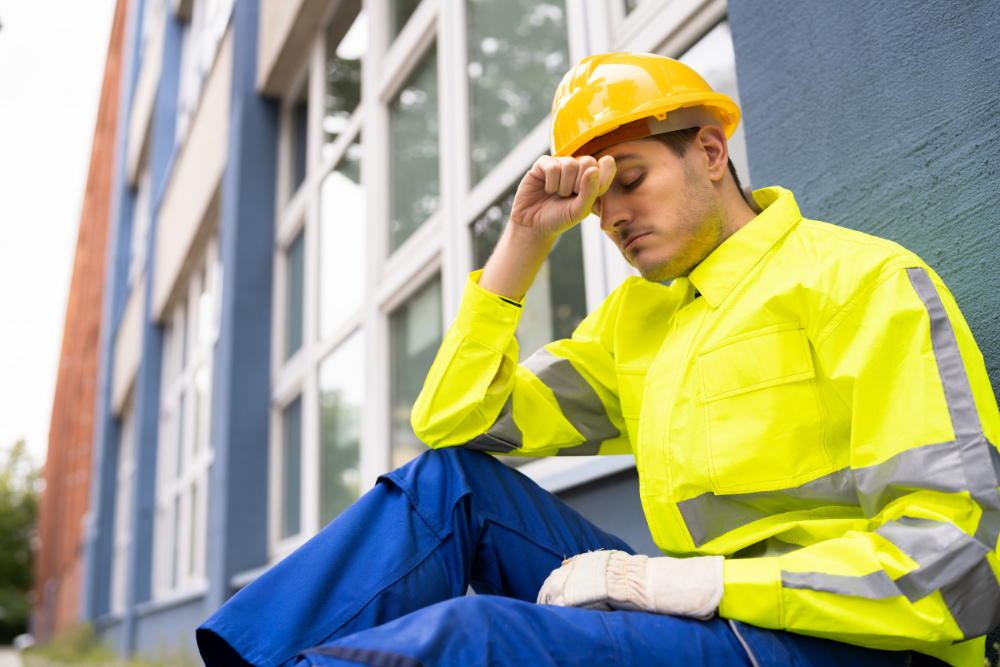
For any meaningful change to occur, companies must take proactive steps toward fostering environments where employees feel safe enough to discuss their feelings without fear of judgment or negative repercussions.
Promoting healthy coping mechanisms could include encouraging regular exercise or facilitating meditation sessions during breaks. In addition, companies may offer resources such as access to mental health professionals, on-site or through external partnerships, for counseling and therapy. Creating and promoting awareness through workshops and seminars focused on mental health issues and self-care strategies can further enhance the understanding and empathy within the team. Providing flexible working hours or remote work options can also alleviate stress for those struggling with work-life balance.
Caring for your workforce's mental well-being reduces stress, enhances job satisfaction, and increases productivity, making your construction business more efficient and compassionate.
Learn MoreAs the construction industry evolves, so do its safety measures. The introduction of innovative products such as STUDSON’s SHK-1 full-brim safety helmet is a testament to this evolution.
This cutting-edge product has been designed with one primary goal: preventing traumatic brain injuries at worksites. It was unveiled during the ASSP Safety Conference and Expo 2023, marking an important milestone for workplace occupational safety.
The emergence of ‘smart’ concrete technology marks another significant stride towards improved worker safety while simplifying building projects. This revolutionary material can self-monitor stress levels and respond accordingly, thereby averting potential accidents due to structural failure before they occur.
Beyond enhancing site efficiency, smart concrete plays a pivotal role in reducing work-related injuries by providing real-time data about hazards like cracks or excessive load pressure that could lead to serious incidents if not addressed promptly.
This proactive approach facilitates immediate remedial action before any harm occurs to workers onsite – significantly boosting overall job site security and peace of mind for all stakeholders involved.
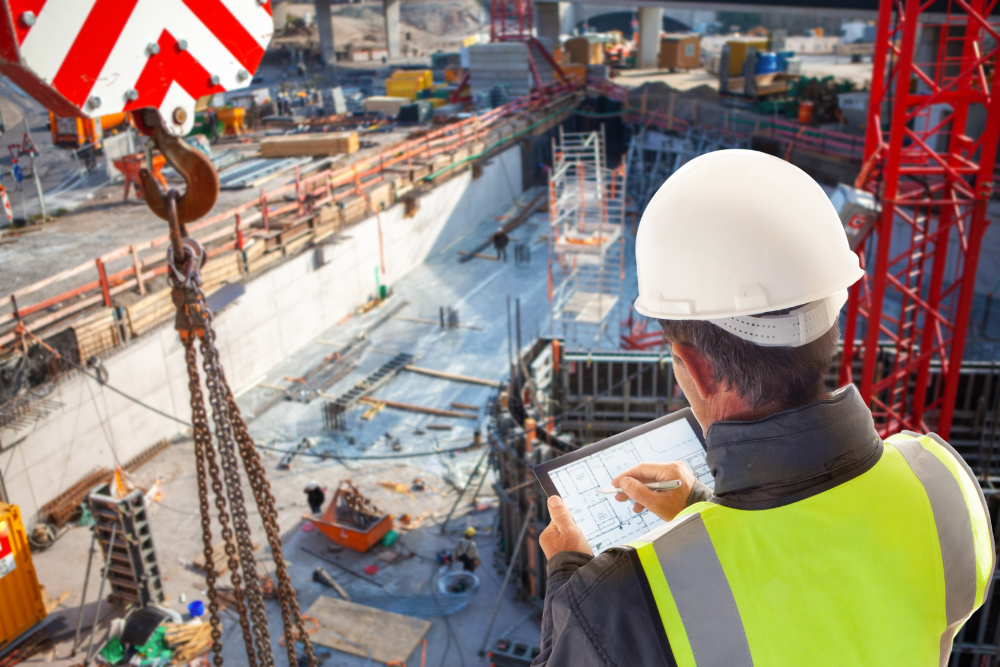
Cybersecurity risks are more prevalent in today’s digital age, where reliance on digital tools for project management, design, communication, etc., have become integral parts of the construction process. As we delve into navigating these risks amidst peak construction season, it becomes crucially imperative that companies adopt robust cybersecurity protocols alongside physical ones.
With technological advancements come new challenges and opportunities – from making complex jobs easier through automation or AI assistance; to improving productivity, increasing profitability while keeping workers safe, and ensuring high-quality output across every aspect. Thus embracing innovation remains key within our dynamic industry landscape moving forward.
Worksite safety protocols in the construction industry place a high priority on fall protection. Fatalities due to falls are still a major issue in the construction sector, making it essential for businesses to implement successful strategies to help stop them.
The spectrum of active fall protection systems is broad and diverse. It includes everything from personal fall arrest systems (PFAS), encompassing body harnesses, lanyards, and connectors, to guardrail setups designed to keep workers away from edges where they could potentially tumble off.
In this world teeming with potential hazards, temporary construction guardrails have proven their worth as cost-effective tools that can be easily transported between job sites without causing much disruption or additional expense.
These temporary guardrails’ primary role is creating physical barriers preventing workers from accidentally falling over ledges – an uncomplicated yet efficient solution significantly contributing towards reducing fatal falls within our industry.
Beyond merely being practical implements enhancing worker safety during its construction season, these transitory structures also serve as visual cues reinforcing safe behavior among all onsite personnel. They constantly remind about possible dangers around them, promoting adherence to established safety norms.
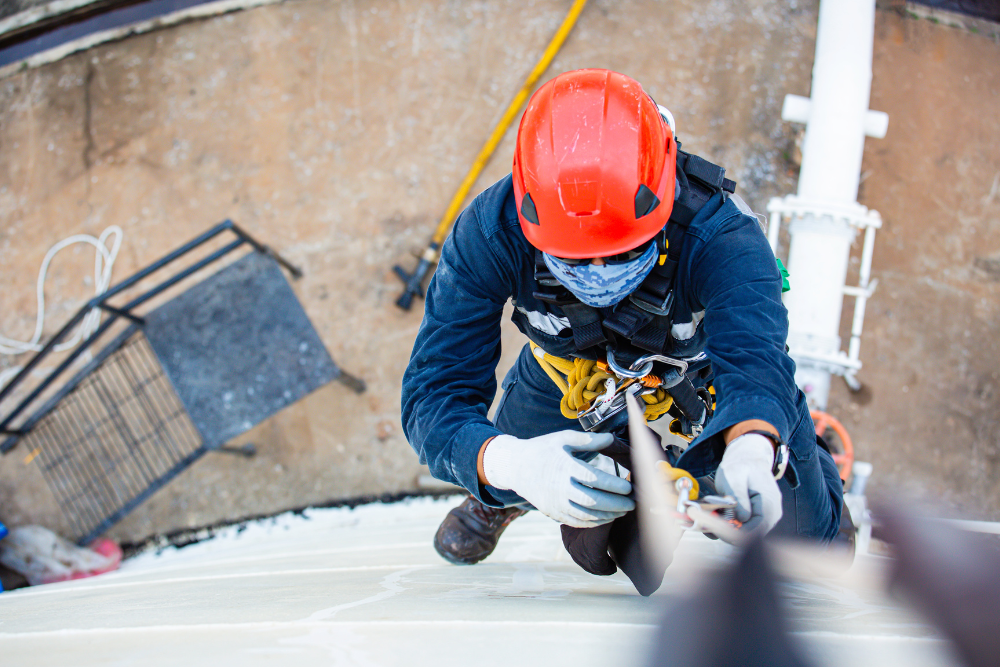
Apart from temporary guardrails, another popular method employed across many worksites involves using Safety net systems. These provide a secondary line of defense should other forms fail or if someone accidentally stumbles into an unprotected area.
When installed correctly below working levels, safety nets can effectively reduce injuries resulting from falls by absorbing impact force, thus mitigating the risk associated with such incidents.
In conclusion, investing effort into understanding the various safety measures available can help create a safer workplace for personnel performing hazardous activities like roofing or scaffolding.
The construction industry, particularly the trenching and excavation sector, is fraught with inherent dangers. Maintaining safety is necessary for those involved in trenching and excavation work to ensure their security and as an obligation.
OSHA guidelines for trenching and excavation work serve as a safety beacon. They cover everything from pre-work inspections to emergency response procedures to ensure worker well-being amidst challenging conditions.
An integral part of any digging activity involves having someone competent inspect the site before anything else happens. This individual should be trained in soil analysis and protective systems design to identify hazards like unstable soil or heavy machinery that could affect trench stability.
This person also ensures utility lines have been located before starting dig operations since hitting one underground can cause injury among workers while causing project delays too.

Cave-ins pose significant risks in trenches; hence OSHA mandates using some form of protection system for trenches deeper than five feet unless dug entirely in stable rock.
Possible solutions include shoring via supports (like aluminum hydraulic shores or timber), shielding through trench boxes, or sloping by cutting back on the wall angle away from excavations. OSHA’s guide on protective systems delves into these options further depending upon factors such as weather conditions and depth required, underlining how crucial careful planning is here.
Safety is paramount in the construction industry for several reasons. It protects workers from injuries and fatalities resulting from accidents, aids in regulatory compliance to avoid fines, minimizes workers’ compensation costs, and contributes to the overall quality and integrity of the construction project.
The construction industry faces a wide array of safety issues, including but not limited to:
Safety can become a concern due to various factors such as:
OSHA Construction Safety refers to the comprehensive guidelines and standards provided by the Occupational Safety & Health Administration (OSHA) to ensure health and prevent injuries at construction sites. These guidelines cover numerous aspects including:
Improving safety in the construction industry can be achieved through:
Both workers and management play vital roles in maintaining safety on construction sites. Workers must follow safety protocols, use PPE correctly, and report any unsafe conditions. Management, on the other hand, is responsible for providing proper training, resources, and support to enforce safety rules, as well as actively promoting a culture that prioritizes safety.
Information on construction safety can be obtained from various sources, including:
In the dynamic and challenging landscape of the construction industry, safety transcends mere physical protection—it encompasses mental well-being, cybersecurity, and continuous innovation. From implementing heat safety measures and fall protection to promoting mental health support and utilizing cutting-edge technologies, a comprehensive approach is essential.
The emphasis on strict guidelines for specific tasks, such as trenching, illustrates a dedication to preserving lives and quality on the job. Organizations like Associated Builders and Contractors of Southern California (ABC SoCal) are instrumental in championing these holistic safety standards. By joining forces with ABC SoCal, industry professionals can contribute to building not just structures but stronger, more resilient communities.
Together, we can pave the way for a future where construction is conducted safely, ethically, and profitably, enhancing the well-being of both workers and the broader community. Learn more about how we can help you here.







