
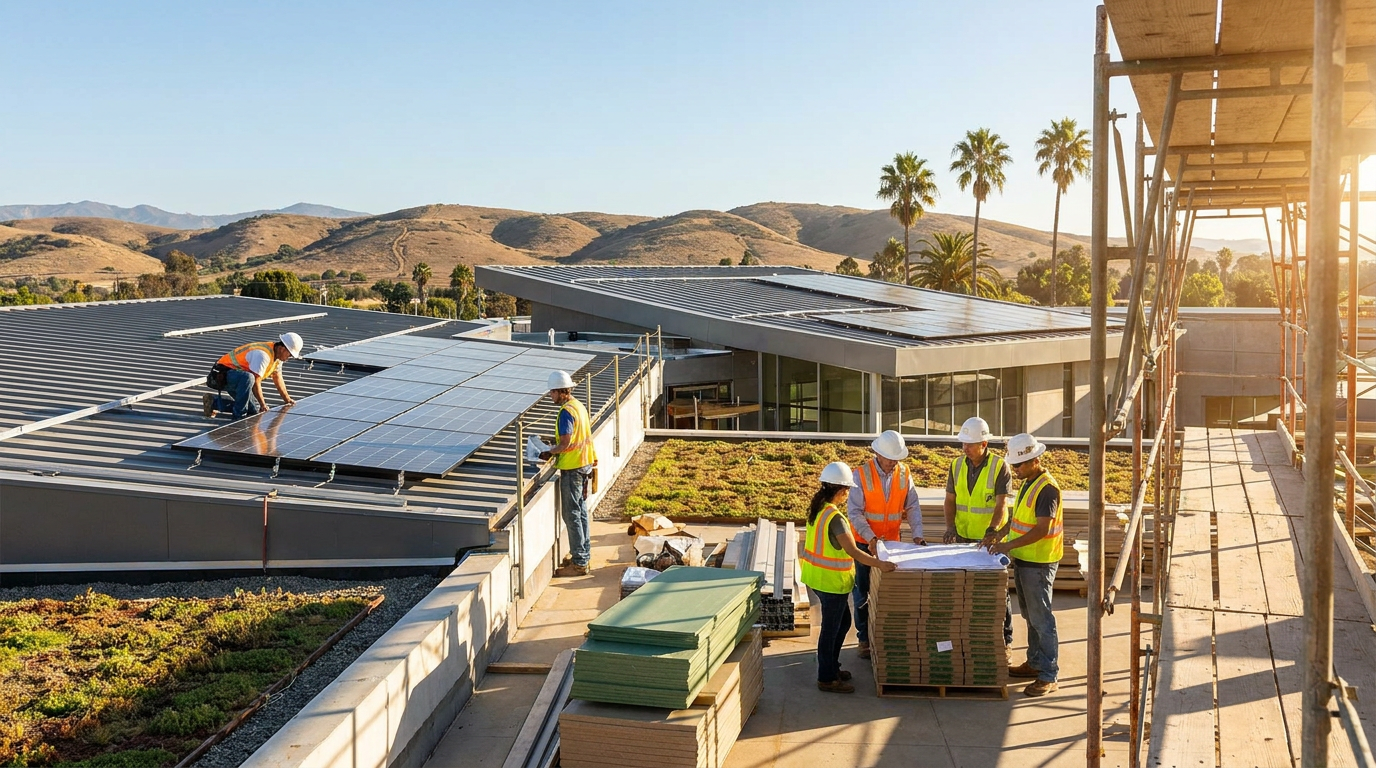
Southern California construction sustainability is now an execution issue for contractors, not just a design discussion. On one project, a team may face owner LEED v5 goals, applicable CALGreen provisions, and California Energy Code requirements simultaneously. The most useful question before mobilization is simple: is the field team actually ready to deliver the sustainability scope?
LEED v5 is the newest version of the LEED rating system and is currently available for Building Design and Construction, Interior Design and Construction, and Operations and Maintenance. On its overview page, USGBC says LEED v5 emphasizes three main impact areas: decarbonization, quality of life, and ecological conservation and restoration.
USGBC also says LEED v5 is intended to align performance indicators and data needs across the building life cycle, from design and construction through operations and maintenance. For contractors, that matters because sustainability goals increasingly depend on what happens during procurement, installation, protection, and recordkeeping, not just what appears on drawings.
For Southern California contractors, that shift is practical. A project in Los Angeles, Orange County, the Inland Empire, or Ventura County may involve a different mix of owner expectations, code obligations, and closeout documentation. The details change by project type, but the management problem is consistent: if the field team treats sustainability as abstract language in the specs, the issue usually returns later as rework, delay, or closeout cleanup.
Before talking about certification levels or long closeout binders, ask one question:
Are we ready to deliver the sustainability scope the same way we manage safety, schedule, and quality?
A simple readiness screen is to test three areas before work starts:
If one of those three areas is weak, Southern California construction sustainability requirements can quickly become an operations problem instead of a planning goal.
LEED v5’s three impact areas are broad, but each can create construction-phase responsibilities.
Decarbonization may affect materials, substitutions, waste handling, and requests for product documentation. A contractor may need to coordinate more carefully around approved products and keep cleaner records when the project requires it.
Quality of life can influence indoor air quality protection, dust control, housekeeping, storage, and protection of systems or materials that affect later building performance. On some jobs, that means changing field habits and documenting them consistently.
Ecological conservation and restoration can show up through site-disturbance controls, erosion measures, runoff management, and protection of landscape or restoration-related scopes.
None of this means every Southern California project will look the same. It means contractors should translate sustainability language into specific field actions before crews mobilize.
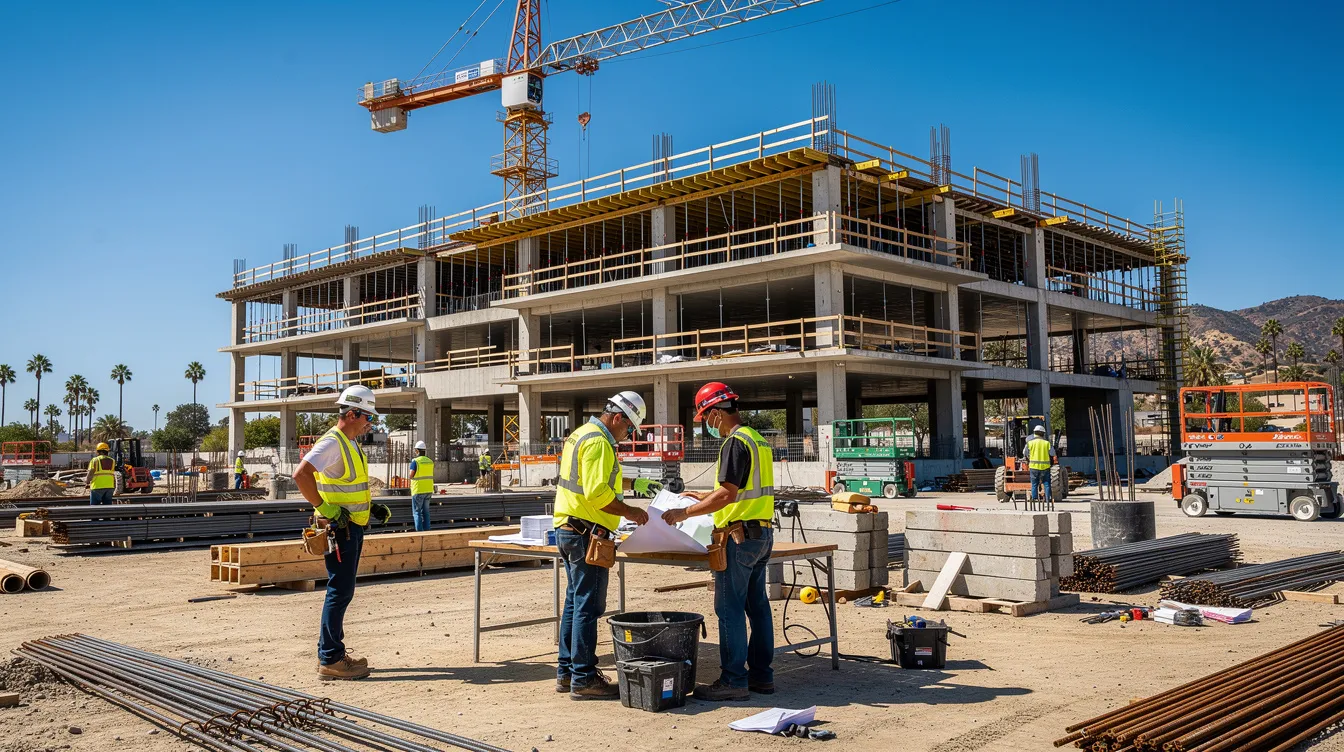
California’s Building Energy Efficiency Standards are part of Title 24, Part 6, and the California Energy Commission states that the 2025 standards take effect on January 1, 2026. The Energy Commission also distinguishes those Energy Code requirements from voluntary CALGreen energy provisions in Title 24, Part 11.
That distinction is important for contractors. LEED v5 is typically a voluntary owner or institutional target. Energy Code obligations are mandatory where they apply. CALGreen can include mandatory measures and voluntary provisions, depending on the section and project context.
Instead of trying to memorize every rule, build a project matrix before mobilization that confirms:
That one-page matrix is often more useful than a long sustainability narrative because it turns overlapping requirements into assigned work.
Use this checklist during preconstruction and again just before mobilization.
Where LEED v5 BD+C commissioning requirements apply, schedule those touchpoints early. In the LEED v5 BD+C rating system, USGBC says that during construction the commissioning provider reviews submittals and substitutions for design deviations that impact the owner’s project requirements, attends milestone meetings at 50% and 100% completion, and performs a sample review of completed contractor documentation with a minimum 10% review threshold.
Ask three questions in the trailer or precon meeting:
If those answers are unclear, the team is not fully ready yet.
| Readiness item | What good looks like |
|---|---|
| Scope ownership | A written matrix shows who handles each sustainability-related task |
| Foreman awareness | Field leaders can explain what changes in daily work |
| Substitution control | Product changes do not bypass sustainability review |
| Documentation system | Records are organized before closeout pressure begins |
| Commissioning coordination | Required milestone reviews are built into the schedule |
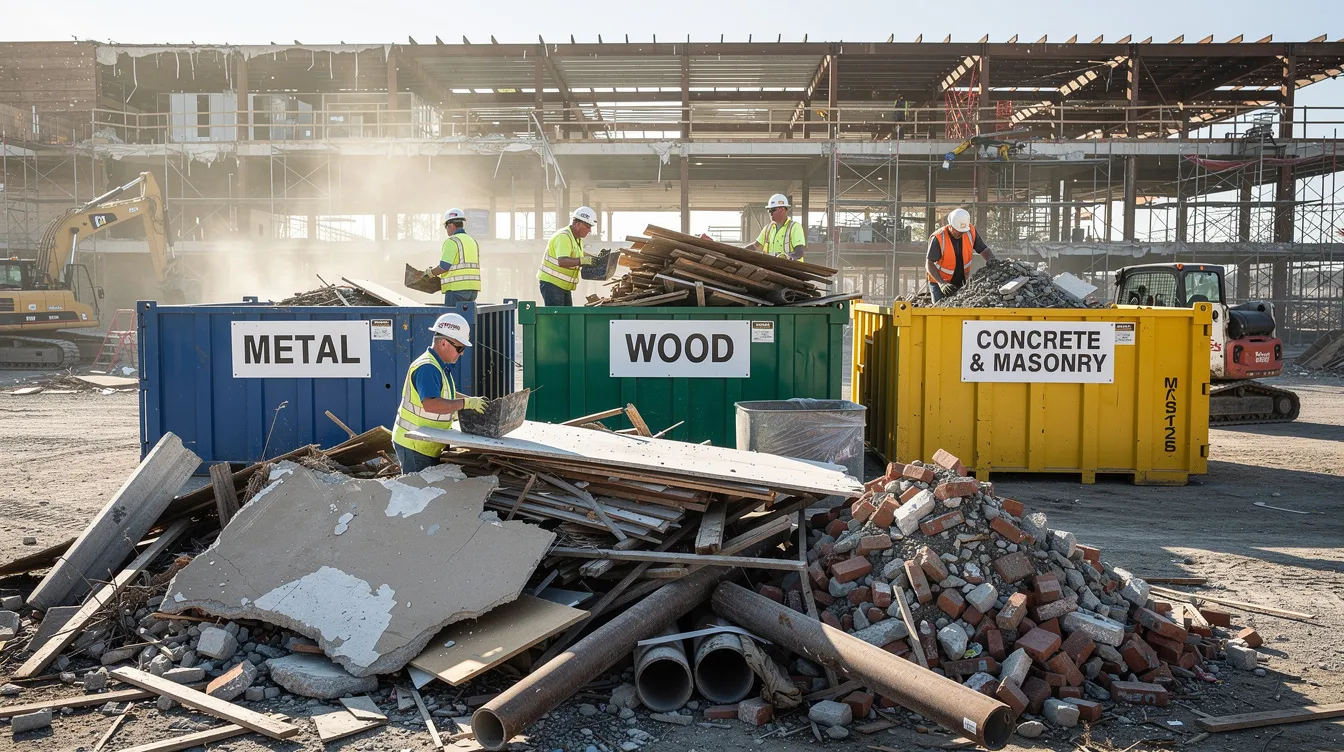
When sustainability scope starts slipping, the problem usually falls into one of three buckets.
| If the problem is… | Typical warning sign | Best next move |
|---|---|---|
| Scope confusion | No one can say clearly which responsibilities belong to the contractor, consultant, or design team | Create a written responsibility matrix and review it with all affected trades |
| Documentation failure | Records are discussed in meetings, but no owner, file system, or update cadence exists | Treat documentation like production reporting and assign accountability before work ramps up |
| Field-habit breakdown | Crews hear the sustainability terms but do not know what to do differently | Use short, project-specific toolbox talks tied to actual tasks and installations |
Consider a hypothetical Southern California school, office, or institutional project pursuing LEED v5 goals while also operating under the current California code framework.
Mobilization is near. The team has specs, submittals are moving, and everyone assumes sustainability is covered. Then the superintendent asks:
If nobody can answer clearly, the problem is not LEED itself. The problem is ownership.
The fix is usually straightforward:
Southern California construction sustainability succeeds or fails in the field. Crews need to know what matters on their project, why substitutions cannot drift, and how routine jobsite behavior affects later documentation and performance reviews.
ABC SoCal’s apprenticeship program says the chapter has served the construction industry for more than 50 years and offers apprenticeship training in Electrical, Plumbing, Low Voltage, and Sheet Metal. Those programs are not a LEED specialty credential, but they do support the trade discipline, code awareness, and workmanship habits that sustainability-focused projects often require.
Useful topics for brief field training on these jobs include:
For a broader labor-capacity lens, contractors can also review ABC SoCal’s article on the Southern California construction workforce shortage.
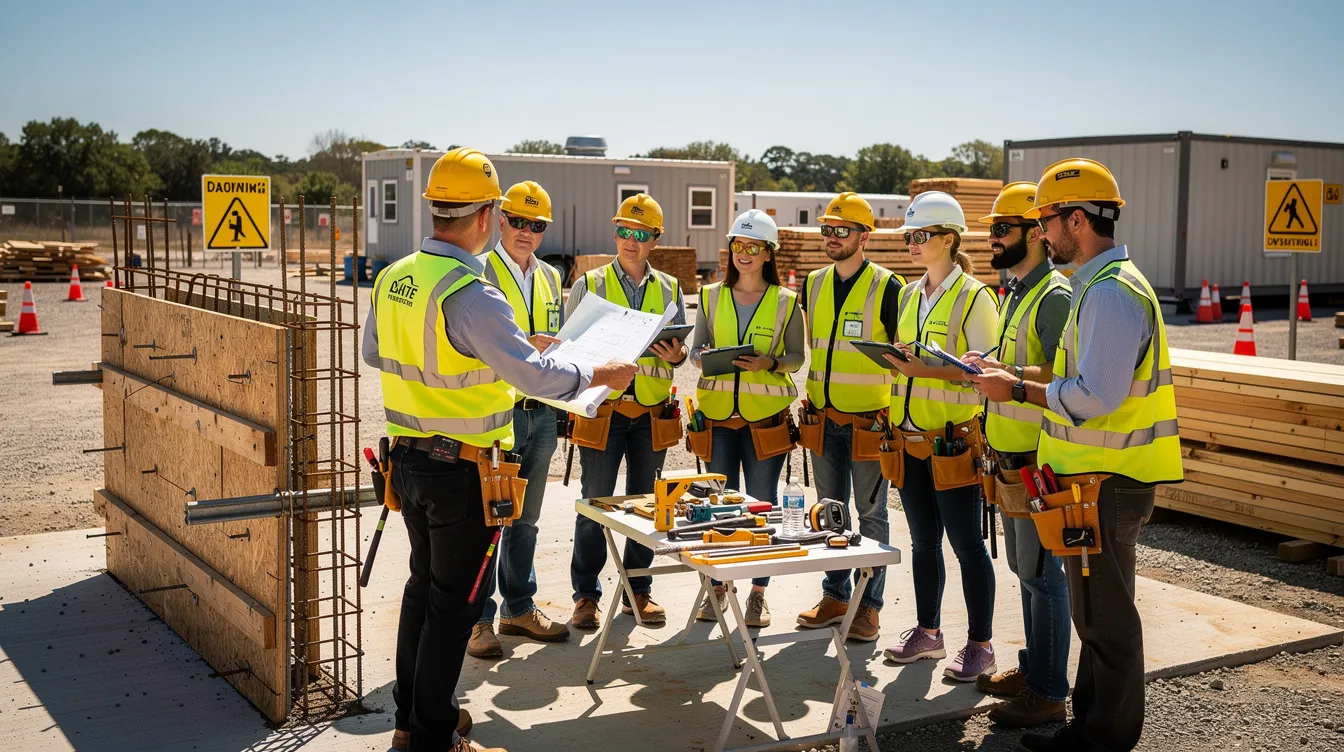
Do not try to overhaul every internal system at once. Pilot a simple readiness process on one live or upcoming job.
That is the most practical path for contractors who want Southern California construction sustainability to stay manageable, documented, and aligned with production rather than turning into a late-project scramble.
If your team is also tightening record management and field coordination more broadly, ABC SoCal’s technology roadmap offers a useful companion resource.







