Toolbox talk topics are essential for construction supervisors, foremen, and safety managers who are responsible for maintaining a safe and compliant jobsite. This guide covers a comprehensive range of toolbox talk topics, including fall protection, PPE usage, ladder safety, scaffolding, electrical safety, fire prevention, first aid, excavation, equipment operation, hazard communication, housekeeping, weather safety, emergency preparedness, and worker wellness. Toolbox talks are informal group discussions that focus on a specific safety issue and play a critical role in preventing injuries and improving compliance with OSHA and Cal/OSHA regulations.
Toolbox talks should focus on specific safety and health topics to prevent injuries and improve compliance. By addressing relevant hazards and reinforcing best practices, these discussions help construction crews stay alert, reduce incident rates, and build a culture of accountability. Whether you are a supervisor planning daily briefings or a safety manager developing a program, understanding effective toolbox talk topics is key to protecting your workforce and meeting regulatory requirements.
Toolbox talks can cover a range of topics or focus on a single safety issue, depending on your crew’s needs and the work being performed. Effective toolbox talk topics for construction workers include:
| Topic | Description |
|---|---|
| Fall Protection | Preventing falls from heights, proper use of harnesses, guardrails |
| PPE Usage | Selecting, inspecting, and wearing personal protective equipment |
| Ladder Safety | Choosing, inspecting, and using ladders safely |
| Scaffolding | Safe erection, inspection, and use of scaffolds |
| Electrical Safety | Working safely around electricity and lockout/tagout procedures |
| Fire Prevention | Handling flammable materials and using fire extinguishers |
| First Aid | Immediate response to injuries and illnesses |
| Excavation & Trenching | Preventing cave-ins and utility strikes |
| Equipment Operation | Safe use of forklifts, cranes, and other machinery |
| Hazard Communication | Understanding chemical hazards and SDS |
| Housekeeping | Keeping the jobsite clean and free of hazards |
| Weather & Environmental | Working safely in extreme weather and environmental conditions |
| Emergency Preparedness | Evacuation procedures and emergency response |
| Worker Wellness | Managing fatigue, stress, and health factors |
Toolbox talks can be tailored to address multiple topics in a single session or to focus on a single, high-priority safety issue relevant to the day’s work.
Toolbox talks are informal group discussions that focus on a particular safety issue. Consistent toolbox talks play a key role in creating a safety-conscious work environment. They reduce incident rates, improve communication between trades, and reinforce a culture of accountability across the job site. The collective values, attitudes, and behaviors of the workforce determine the strength of the company’s safety culture, shaping everyone’s commitment to safety practices. At ABC Southern California, we see member contractors use these daily conversations to protect their workforce while maintaining productive, well-coordinated operations. This practice directly supports the goal of helping employees work safely and return home without injuries.
Toolbox talks should focus on specific safety and health topics to prevent injuries and improve compliance. By making these discussions a regular part of your safety program, you help ensure that everyone on site is aware of current hazards and knows how to work safely.
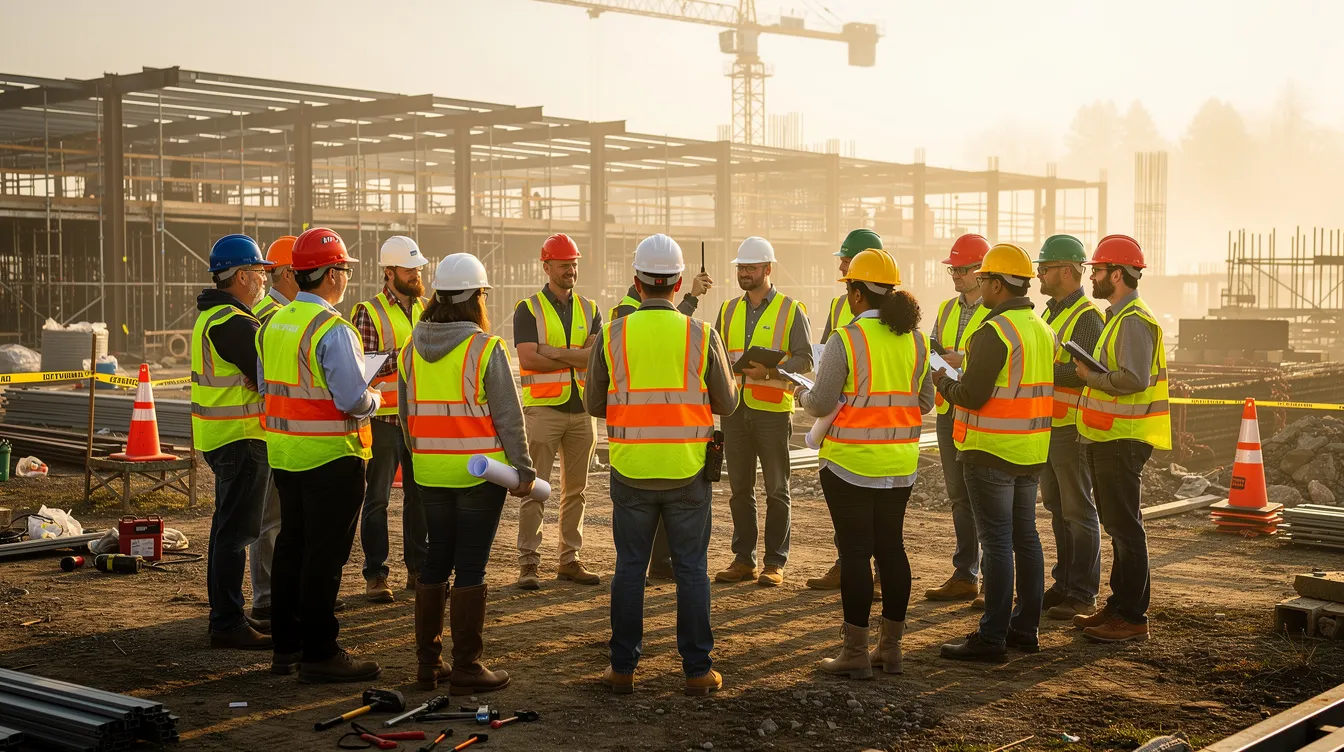
Topics should be selected based on current and upcoming work rather than a random calendar. If concrete pours are scheduled this week and roofing begins next week, align your toolbox topics with those specific activities. Review the two-week look-ahead schedule, identify high-risk activities, and plan talks that address hazards your crew will actually face.
Start on time and keep talks focused—under 10 minutes—to maintain attention and avoid delaying the beginning of work. Hold discussions where crews can see relevant equipment, materials, or work areas. A talk about ladder safety is more effective when standing next to the ladders that will be used that day.
Document each talk with a sign-in sheet or a digital record that captures attendance, topic, date, and presenter. This documentation supports regulatory compliance and internal program tracking. Supervisors should review recent incidents, near misses, or changes in site conditions and prioritize them for discussion at the next safety meeting. When something goes wrong on Monday, discuss it on Tuesday morning.
With effective planning in place, let’s explore the core topics every safety program should cover.
Every construction project—regardless of trade—should address foundational safety topics regularly throughout the project lifecycle. Toolbox talks can cover a range of topics or focus on a single safety issue, depending on your crew’s needs and the work being performed.
ABC SoCal members can supplement these topics with formal training programs and certifications for supervisors, apprentices, and safety managers.
With these broad categories in mind, let’s break down each topic with specific examples and subtopics.
Falls remain the leading cause of construction deaths and serious injuries, particularly for trades working above 6 feet—roofing, framing, steel erection, and MEP rough-in. Fall-related toolbox talks should always occur before any work at heights begins, including new phases such as setting elevated deck forms, installing rooftop HVAC units, or working from boom lifts.
Specific fall-related topics to develop:
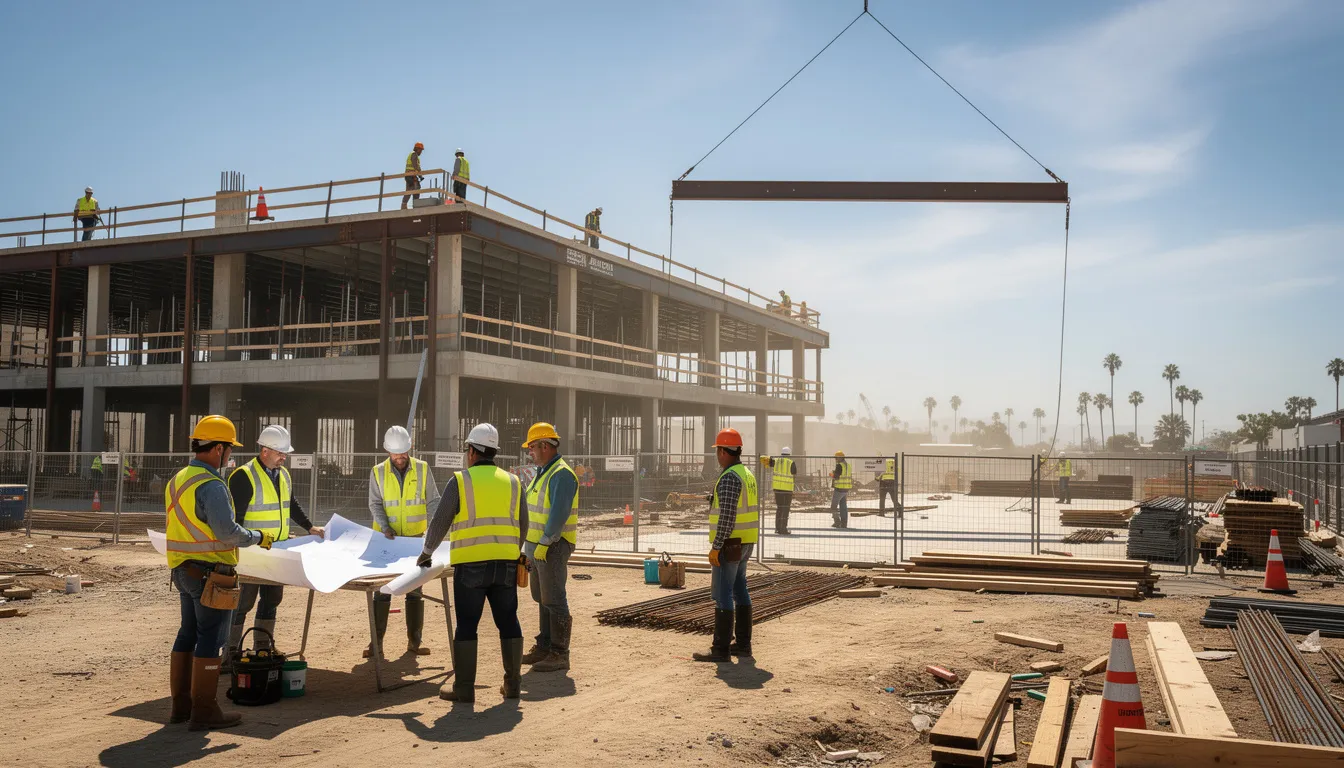
Practical steps matter: verify that anchor points are rated and installed correctly, confirm that each worker inspects their harness and lanyard before use, and ensure tie-off is maintained whenever exposed to a fall hazard per OSHA and Cal/OSHA rules. Ground these discussions in real scenarios—discussing fall protection before starting roof work on a two-story multifamily project in Los Angeles or before erecting scaffolds on a downtown retrofit.
Transitioning from fall protection, let’s address another common source of injuries: ladders and scaffolds.
Research indicates that 81% of falls among construction workers who seek emergency room treatment involve ladders. This makes ladder safety a foundational topic that should be revisited periodically on all projects.
Ladder selection and inspection:
Setup and use requirements:
Schedule ladder talks at the start of phases with heavy ladder use, such as rough-in, overhead conduit installation, and ceiling grid work.
Scaffolding and roof activities are consistently high-risk and require focused toolbox talks before erection, modification, or use—especially on multi-story commercial and residential projects.
Key scaffold topics:
Roof work discussions should address:
Emphasize weather conditions—wind, rain, and heat—that increase the hazards of roofs and scaffold decks. In Southern California, this includes working on tile roofs, installing solar panels, and reroofing occupied buildings, where additional precautions are required.
With ladder and scaffold safety addressed, let’s move on to the critical topic of personal protective equipment.
Personal protective equipment is the last line of defense and must be matched to job-specific hazards identified during pre-task planning and job hazard analyses. PPE talks should cover selection, fit, inspection, and replacement.
Primary PPE topics:
| Equipment Type | Key Discussion Points |
|---|---|
| Hard hats | Proper wear, inspection for damage, replacement timelines |
| Eye/face protection | Matching protection to hazard (impact, splash, arc) |
| Hearing protection | Proper insertion, consistent use, recognizing noise exposure |
| Hand protection | Cut-resistant vs. chemical-resistant gloves for specific tasks |
| Foot protection | Steel toes, puncture-resistant soles where required |
Use concrete examples: choosing the right glove for safe handling of rebar versus mixing solvents requires different protection. Respiratory protection deserves separate attention when crews may be exposed to silica dust, welding fumes, or spray coatings.
Connect PPE talks to specific tasks scheduled that day. Before grinding, cutting, or chipping operations, emphasize the prevention of eye injuries. Supervisors should demonstrate correct PPE use during the talk to eliminate confusion about proper practice.
Now that we’ve covered PPE, let’s discuss electrical safety and lockout/tagout procedures.
Electrical toolbox talks should focus on common jobsite exposures: temporary power, extension cords, portable tools, panel work, overhead power lines, and underground utilities.
Basic controls to discuss:
Lockout/tagout procedures are critical when servicing equipment. Before any work on energized or potentially energized equipment, workers must verify the equipment is locked out, tagged, and confirmed de-energized with appropriate test instruments.
Include examples relevant to electrical and low-voltage apprentices: verifying lockout/tagout steps before opening motor control centers or working on lighting circuits in a tenant improvement project. Only trained, authorized personnel may perform certain electrical tasks—reference OSHA and Cal/OSHA regulations on qualified versus unqualified workers.
With electrical safety in mind, fire prevention is the next essential topic.
Fire safety and prevention are critical topics for every construction site, where the presence of flammable materials, hot work, and temporary power sources can quickly turn a small incident into a major emergency. Toolbox talks on fire safety are an effective way to keep fire prevention top of mind, taking just a few minutes at the beginning of a shift to review essential tips and precautions.
Key fire safety topics:
By making fire safety a regular part of your safety talks, you help protect employees, equipment, and the entire job site from preventable injuries and costly damage.
After fire safety, let’s focus on immediate response with first aid.
First aid training is a cornerstone of workplace safety, equipping employees with the knowledge and confidence to respond quickly to common injuries and illnesses on the job site. Toolbox talks on first aid can be delivered in a few minutes and focus on immediate response steps for situations such as cuts, burns, sprains, or cardiac emergencies.
First aid toolbox talk topics:
By making first aid a regular topic in your safety talks, you empower your team to respond effectively to injuries, minimize the impact of accidents, and protect everyone’s health and safety on the job site.
Next, let’s address excavation, trenching, and underground utility safety.
Trench collapses and utility strikes remain leading causes of serious incidents in sitework, civil construction, and plumbing operations. These talks must occur before any new excavation begins and are repeated when conditions change.
Trench safety topics:
Underground utility awareness:
ABC SoCal members can integrate trenching and excavation toolbox talks with formal competent person training for supervisors and foremen.

With excavation safety covered, let’s move on to struck-by, caught-in/between, and equipment operation hazards.
Beyond falls, struck-by, and caught-in/between incidents round out the “Fatal Four” hazards that account for most construction fatalities.
Typical struck-by hazards:
Caught-in/between exposures include:
Equipment operation topics:
Include site-specific examples such as coordinating traffic control for concrete pump trucks on a street project or managing delivery truck movements on tight urban infill sites.
Transitioning from equipment hazards, let’s discuss traffic control and work zone safety.
Work zone discussions should address:
Pre-shift talks before night work or lane closures should review lighting, backup alarms, and communication methods between operators and ground personnel. Encourage crews to stop work and report any unexpected changes in traffic patterns or if control devices are moved.
Next, let’s focus on hazard communication and airborne exposures.
Hazard communication talks should cover how to read Safety Data Sheets (SDS), understand warning labels, and recognize common chemical hazards on construction sites—solvents, adhesives, coatings, and cleaning agents.
Airborne exposure topics include:
Connect respiratory protection to specific tasks. Before core drilling, tuckpoint grinding, or spray-applied fireproofing, discuss respirator selection, fit testing requirements, and proper use. Emphasize the control hierarchy: use engineering controls (wet methods, local exhaust, HEPA vacuums) before relying solely on respirators.
ABC SoCal offers training and resources on hazard communication and respiratory protection for members to support daily safety discussions.
With hazard communication addressed, let’s turn to housekeeping and site access.
Many common injuries result from seemingly simple issues—poor housekeeping, blocked exits, inadequate lighting—rather than dramatic hazards. A clean workplace directly reduces slip, trip, and fall incidents.
Key housekeeping topics:
Site access and egress discussions:
Schedule these talks after major material deliveries, during interior build-out phases, or whenever congestion increases. Address lighting and weather-related issues—glare, shadows, wet surfaces—in morning briefings, especially during winter and night work.
With site conditions in mind, let’s discuss weather and environmental safety.
Weather and environmental conditions can pose many hazards to construction work, making it essential to address them in regular toolbox talks. Extreme heat, cold, rain, and lightning all pose risks of serious injury if not properly managed. Toolbox talks on weather safety provide employees with practical tips and precautions for working safely in changing conditions.
Weather and environmental safety topics:
By staying aware of weather-related hazards and environmental exposures and making these topics a regular part of your safety talks, you help ensure your team is prepared to work safely—no matter what the environment brings.
Next, let’s cover emergency preparedness and response.
Being prepared for emergencies is a critical part of any construction safety program. Toolbox talks on emergency preparedness ensure that every employee knows what to do in the event of a fire, natural disaster, or medical emergency. These safety discussions should cover evacuation procedures, first-aid response, and communication protocols, emphasizing the importance of quick, coordinated action.
Emergency preparedness topics:
Regularly reviewing and updating emergency plans and making emergency preparedness a standing topic in your safety talks help create a workplace where everyone is ready to respond—and where lives and property are better protected when the unexpected happens.
Finally, let’s address worker health, wellness, and human factors.
Effective safety programs address human factors that undermine attention and decision-making. Fatigue, heat stress, mental health, and substance use all affect the work environment and crew safety.
Relevant topics:
These discussions should emphasize resources available through employers, health plans, and organizations like ABC SoCal—including employee assistance programs and wellness initiatives. Promote respect, confidentiality, and support, making clear that reporting concerns is part of maintaining a safe team environment.
With the core topics covered, let’s discuss how to deliver toolbox talks that truly engage your crew.
Effective delivery determines whether crews remember and apply what they hear.
Practical delivery tips:
Foremen and supervisors set the tone as frontline safety leaders. When they participate fully, wear PPE correctly, and follow the same rules they explain, crews take the conversation seriously. Encourage workers to report hazards immediately and ensure they know who to contact if issues aren’t resolved quickly.
Documentation should not overwhelm the conversation. A simple sign-in sheet with date, topic, and key points is sufficient and demonstrates commitment to a systematic safety program.
Regular toolbox talks are essential for reinforcing safety awareness and helping everyone stay safe on the job site.
With delivery strategies in mind, let’s see how toolbox talks fit into your overall safety program.
Toolbox talks are a daily extension of your company’s written safety program, formal training, and site-specific safety plans. They reinforce key messages in small, frequent doses that build awareness and accountability.
Use talks to address recent incidents, near misses, or observations from safety walks—turning them into learning opportunities before similar events recur. Regular, well-documented talks help demonstrate due diligence to regulators, clients, and insurers while supporting OSHA and Cal/OSHA compliance efforts.
ABC SoCal can assist members with developing topic calendars, providing training materials, and aligning toolbox talks with apprenticeship and continuing education programs. View these daily conversations not as a check-the-box requirement but as a cost-effective driver of safety performance, productivity, and crew cohesion on every job.
Many successful contractors hold brief toolbox talks daily before work starts. Additional talks are warranted whenever new high-risk tasks begin, project phases change, or new subcontractors join the worksite. The frequency should scale with the risk profile of the work being performed.
Supervisors, foremen, and safety managers typically select topics based on the work schedule, upcoming hazards, and recent incidents. They usually lead the talks with input from the project safety team. The responsibility for topic selection should involve reviewing the two-week look-ahead and coordinating with the overall safety program.
Keep talks focused and concise—generally between 5 and 10 minutes. This allows enough time for the main topic, questions, and brief demonstrations without delaying the start of work. Longer talks risk losing workers’ attention and becoming less effective.
No. Toolbox talks reinforce and refresh formal training but do not replace required courses, licenses, or certifications such as OSHA 10/30 cards, competent person training, or trade apprenticeships. They are one component of a comprehensive safety education program.
Connect with ABC Southern California for access to safety education, sample topics, apprenticeship programs, and member resources that can be adapted into site-specific toolbox talks. Our organization provides structured support to help contractors build effective safety programs that protect their teams and business operations.